
Capcom defines plans for Resident Evil 9 and 10 with new classic remakes of the franchise

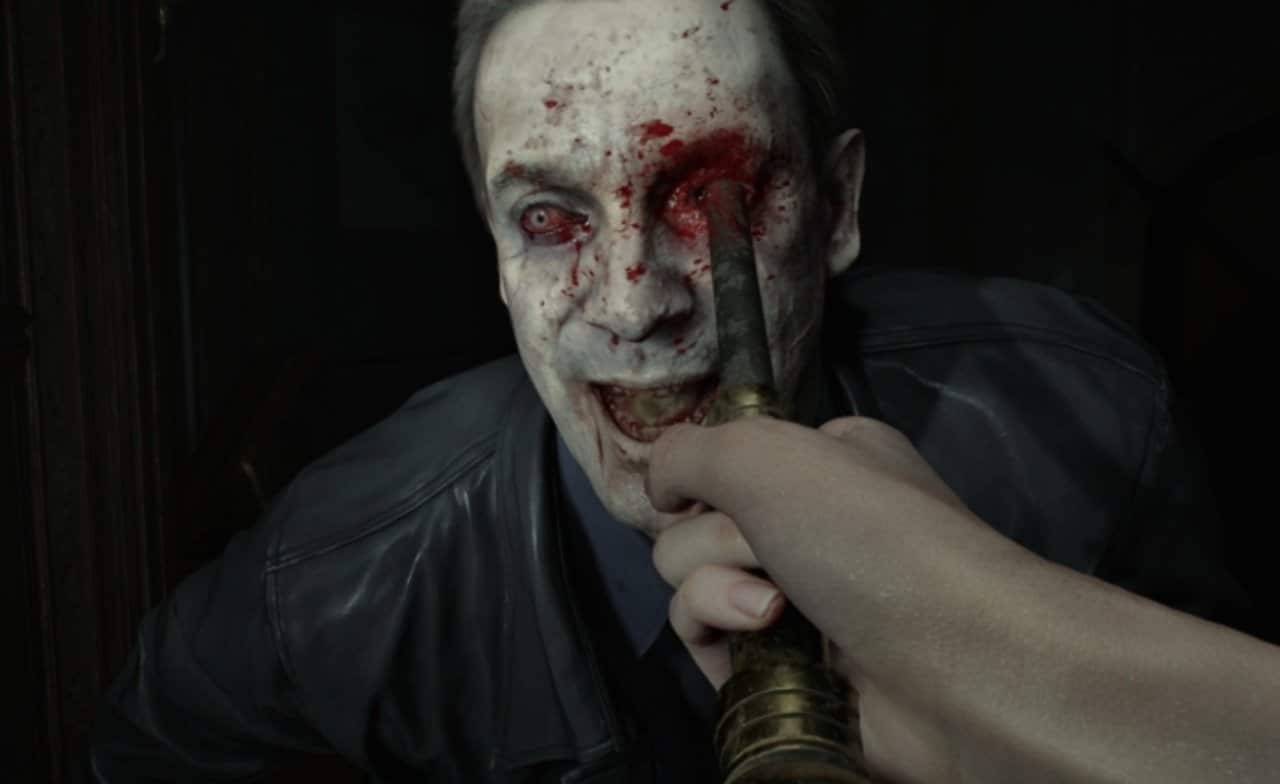
The Japanese producer responsible for one of the largest intellectual properties in digital entertainment has established robust planning for the coming years. The company’s main focus involves the continuous expansion of the survival horror universe, mixing the introduction of new chapters with the revitalization of classic works that have marked generations of players. Esta strategic move aims to maintain the brand’s relevance at the top of the electronic games industry throughout the current decade.
Behind-the-scenes information and market movements indicate that the simultaneous development of multiple projects is the new norm within the company’s studios. The primary intention is to avoid long gaps between releases, ensuring that consumers have regular access to new interactive experiences. The division of teams allows different directors and producers to work in parallel, optimizing the use of technological and creative resources.
The established production roadmap foresees a smooth transition between the current generation of consoles and future hardware that will hit the market. The company’s proprietary development architecture makes it easy to adapt code for different platforms, ensuring that both numbered titles and recreations achieve a high-fidelity visual standard. Coordination between internal studios and outsourced partners was reinforced to sustain this volume of deliveries.
Developer’s continuous release strategy
Maintaining a frequent release calendar requires restructuring the way projects are managed internally. The company has adopted a staggered production model, where the pre-production phase for one game begins immediately after the script for another is finalized. Este system reduces idle time for art and programming teams, creating a highly efficient digital assembly line.
Substantial investments were directed towards expanding the motion capture and photogrammetric scanning studios. The digitization of live actors, clothing and physical objects accelerates the creation of virtual assets, allowing developers to focus on refining game mechanics and set design. Esta infrastructure is vital to sustaining the demand for realistic graphics demanded by today’s public.
Innovations and open world in the ninth chapter of the series
The next main title in the timeline promises to significantly alter the traditional exploration structure. The ninth game will introduce open-world elements, allowing users to navigate vast, interconnected environments with greater freedom. Linear progression will give way to an approach where the choice of path directly affects encounters with enemies and the discovery of resources essential for survival.
The setting chosen for this new iteration moves away from claustrophobic corridors and focuses on expansive outdoor areas, possibly rural or island. The change of scenery requires an adaptation in the artificial intelligence of the opponents, who will now be able to pursue the player over greater distances and coordinate group attacks. Inventory management and ammo shortages will continue to be key pillars of the experience.
The proprietary graphics engine has received specific updates to handle rendering large scenes without the need for loading screens. The transition between indoor and outdoor environments will occur fluidly, increasing immersion and constant tension. Efeitos dynamic weather and day and night cycles have also been integrated to change the behavior of biothreats depending on the virtual time.
Closing of a narrative arc with the tenth title
The tenth numbered entry in the franchise is scheduled to hit the market at the end of the current decade, with predictions pointing to the year 2029. Este project carries the responsibility of concluding plots that have been built over more than thirty years of history. The writing team works to tie up the loose ends left by previous games, offering definitive resolutions for the veteran characters.
The art direction and overall tone of the narrative will undergo a severe overhaul in this tenth chapter. The intention is to deliver a darker and more oppressive atmosphere, rescuing the feeling of extreme vulnerability that defined the origins of the genre. Sound design will play a crucial role, utilizing spatial audio technologies to create a soundscape that organically disorients and frightens the player.
The development of this specific project is being treated with the highest level of secrecy within the company’s facilities. Apenas a select group of directors and executive producers have access to the main design document. The protection of this information aims to prevent leaks that could compromise the narrative surprises prepared for the loyal fan base that has followed the saga since its beginnings in the nineties.
The transition to the next decade will also mark a possible renewal in the cast of protagonists. The tenth game will serve as a bridge, saying goodbye to the iconic figures who fought against bioterrorism for decades and making room for a new generation of survivors. Esta passing the baton is seen as essential to guarantee the longevity of intellectual property in the years to come.
Return to the classics with new recreation projects
In parallel with the new games, the company confirmed the production of recreations of two titles highly requested by the community. The first project focuses on the events that precede the original incident at the mansion, starring the tactical team doctor. The new version will eliminate the real-time character switching system, focusing the narrative and gameplay entirely from the perspective of a single survivor. Esta mechanical change aims to increase the feeling of isolation and adapt the game flow to modern design standards.
The second recreation project addresses the journey of a young woman in search of her missing brother on an island controlled by a pharmaceutical corporation. The update will bring the camera to an over-the-shoulder perspective, ditching the fixed angles of the original release. The prison and research facility environments will be expanded, offering new puzzles and explorable areas. The narrative will maintain the central events, but the dialogue and the characterization of the villains will undergo a complete review to adapt to the more serious tone adopted by recent productions.
Technological advances and improvement of the graphics engine
The backbone of this entire development operation is the graphics engine created internally by the producer, which continues to receive substantial improvements with each new production cycle. The technology enables impressive scalability, delivering ultra-high-resolution textures, ray-tracing-based global illumination, and realistic fluid physics while maintaining a stable frame rate. The tool was designed to facilitate rapid iteration, allowing designers to test changes to scenarios and enemy behavior in real time. Além Furthermore, the integration of machine learning systems optimizes the characters’ facial animation, capturing subtle nuances of emotion and pain that are fundamental to conveying the horror of the situation. Standardizing the use of this engine across all of the company’s studios reduces training time for new employees and facilitates the sharing of digital resources between different projects, creating a highly sustainable and productive development ecosystem.
Expansion of intellectual property to other media
The market domination strategy is not restricted to interactive software. The producer intensified the licensing of the brand to create films in computer graphics, television series on streaming platforms and a wide range of collectible products. Esta transmedia presence ensures that the franchise remains in the public’s mind even during gaps between main game releases.
Positioning in the digital entertainment market
The execution of this planning places the developer in a position of competitive advantage compared to other studios in the sector. By dominating the survival horror niche with high-budget products, the company dictates design trends and sets the quality standard expected by consumers. The diversification of the portfolio, alternating between the innovation of numbered titles and the nostalgia of recreations, reaches different player demographics.
The loyalty of the user base is reinforced by the commitment to technical quality and respect for the source material. Development teams actively monitor public reactions on specialized networks and forums, using feedback to refine mechanics and adjust difficulty balance. Esta indirect communication with the community ensures that future releases meet the expectations of the global interactive entertainment market.



