
Capcom defines the future of the Resident Evil franchise with new main chapters and unprecedented remakes

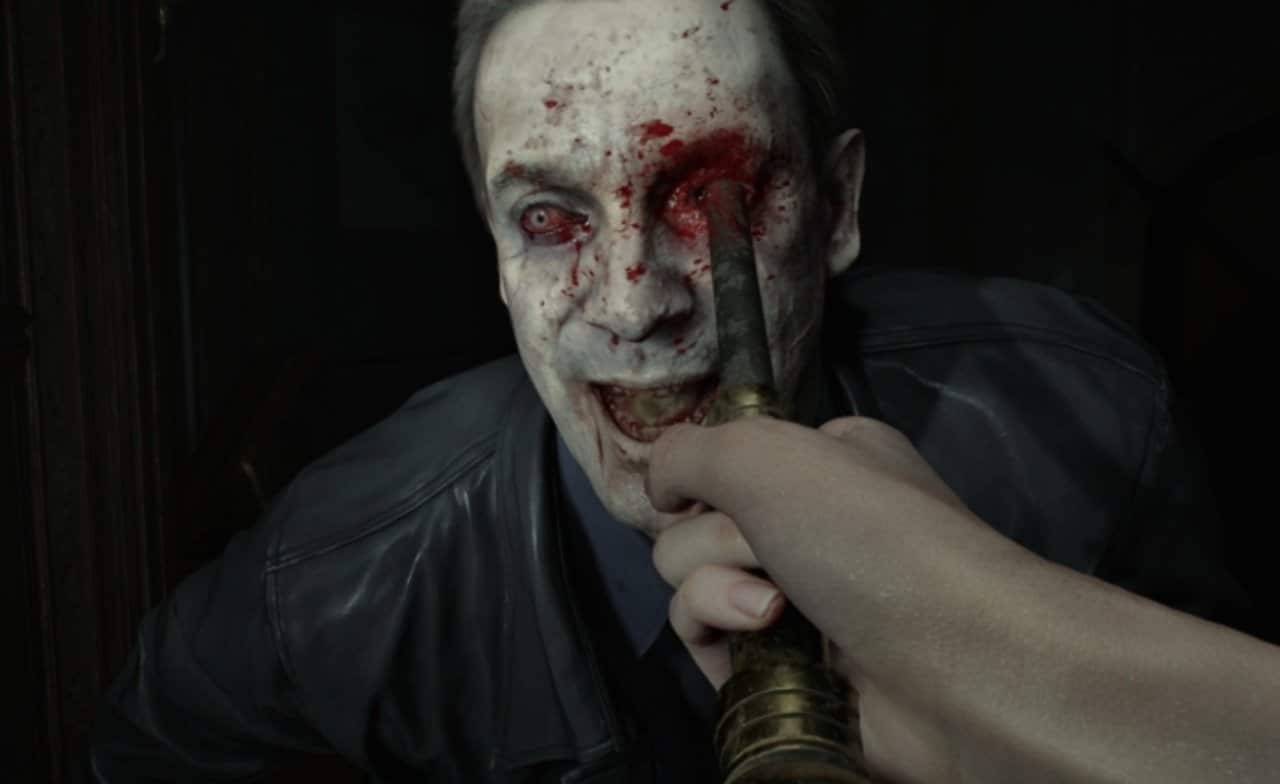
Japanese developer Capcom has laid out a robust timeline for its flagship survival horror franchise over the next decade. Internal Documentos and market movements indicate the continuous development of new titles and the recreation of classic games that marked generations of consumers around the world. The corporation’s strategy aims to maintain the brand’s relevance in a highly competitive digital entertainment sector, interspersing big-budget releases with restructuring projects for established works.
Strategic planning ranges from the conclusion of current narrative arcs to the introduction of modernized mechanics in projects already known to the public. Intellectual property management requires a delicate balance between technological innovation and respect for the original identity that has consolidated the fan base over the years. To achieve this goal, the developer focuses on utilizing its proprietary technology to optimize production costs and deliver high-fidelity visual experiences across multiple hardware platforms.
Among the main initiatives detailed behind the scenes of the industry, the numbered projects that will continue the official chronology of the science fiction and horror universe stand out. Simultaneamente, the remake production line gains new members, confirming the company’s intention to standardize the entire saga under contemporary standards of gameplay and cinematic presentation.
The development of the next main chapters
The ninth title in the main series is in an advanced stage of production and its central objective is to conclude the current narrative that has been built in the most recent releases. The development team focuses efforts to deliver a fluid transition between the end of this character cycle and the beginning of a new phase for the intellectual property. Informações techniques indicate that this game will use improved rendering technologies to create immersive environments and reactive artificial intelligence systems for enemies, raising the standard of exploration and the complexity of direct confrontations.
At the same time, the tenth game in the franchise has already begun its conceptual stage, with an estimated release window for the end of the current decade, possibly structured for the year 2029. Este specific project is treated internally as a significant turning point, designed to attract both veterans and an unprecedented consumer base. The design proposal involves a structural reformulation of the progression mechanics, ensuring that the brand remains up to date with the demands of cutting-edge hardware and the rigorous fluidity requirements of the global electronic games market.
Return to classics with new remakes
The recreation of old titles continues to be a fundamental pillar in the Asian developer’s financial and creative strategy. The commercial success of the updated versions launched in recent years has validated the business model of rescuing works from the past with a completely new technical guise.
Projects such as the reissue of the first game in the series and the prequel focused on the origins of the biological incident are on the company’s active schedule. The objective of these productions is to unify the visual aesthetics, narrative tone and gameplay of the entire saga, eliminating the old fixed camera mechanics in favor of a modern third-person perspective.
Another title of extreme historical importance, which narrates events on an isolated island and in secret installations on Antártica, will also undergo a complete modernization of its systems. The software engineering team seeks to correct pacing flaws in the source material while deepening the psychological development of the protagonists and antagonists.
Adapting the fifth numbered game presents a unique technical challenge, given that the original work focused heavily on cooperative action and daytime scenarios. The developers work hard to balance this dual combat feature with the atmosphere of tension and scarcity of resources that defines the franchise’s core identity.
Technology and the evolution of the graphics engine
The backbone of all these simultaneous productions is the company’s proprietary graphics engine, which undergoes constant updates to support the demands of multiple large-scale projects. Esta software tool allows various internal studios to share digital resources, high-resolution three-dimensional models and complex animation libraries, drastically reducing development time and financial cost. The new iteration of the technology focuses on substantial improvements to cloth physics, real-time calculated global illumination, and fluid dynamic rendering, elements absolutely essential to building the dense, realistic atmosphere required by modern horror games. By maintaining full control over the base technology, the producer avoids paying expensive licensing fees to third-party companies and is able to adapt the source code exactly to each team’s design needs. Este technological mastery guarantees stable and optimized performance in different ecosystems, from dedicated desktop consoles to high-performance personal computers, also facilitating the portability process for future platforms that may be announced in the technology market.
Brand expansion beyond video games
Intellectual property management transcends the traditional electronic games market, encompassing an aggressive and continuous transmedia strategy. The corporation coordinates the launch of licensed products, computer graphics animations and film adaptations to keep public engagement high, even in periods without new software releases.
Strict alignment between the game development divisions and the licensing department ensures that the visual identity of characters remains consistent across all media explored. Essa aesthetic standardization facilitates immediate brand recognition by casual consumers who do not follow the chronology of games assiduously.
The sale of physical merchandise, which includes everything from high-value collectors’ items to themed clothing lines, represents a growing share of the company’s annual revenue. Systematic expansion into new business territories strengthens the franchise’s global presence and safely diversifies the corporation’s revenue sources.
Market strategy and launch schedule
The long-term planning structured by the board aims to avoid large gaps in the product availability calendar, interspersing unreleased titles with high-budget remakes. Essa constant cadence of publications maintains shareholder interest and stabilizes the company’s cash flow over successive fiscal years.
Global distribution of multiple projects requires complex logistics of language localization and targeted marketing, adapting advertising campaigns to respect different cultural nuances. The company conducts ongoing market research to understand regional preferences, adjusting its pricing strategies and ensuring broad availability on the industry’s leading digital storefronts.
Preservation of survival horror identity
Despite the obvious mechanical modernization and expansion of the commercial scope of the projects, the creative board maintains strict guidelines to preserve the essence of the survival genre. The scarce management of ammunition and healing items, the solving of puzzles organically integrated into the environment and the oppressive sound design remain the non-negotiable fundamental pillars that guide the production of any new title inserted in this chronology.
Consumer expectations and impact on the industry
The revelation of this vast production planning generated intense movement in specialized forums and discussion networks focused on entertainment technology. Analistas sector financiers point out that the company’s ability to sustain public interest in a single intellectual property for so many decades in a row represents a notable case study in the software market.
The execution of this long-term plan has the potential to further consolidate the developer’s position as the undisputed leader in the big-budget horror game segment. The global technology industry looks to optimized production practices and efficient use of the proprietary graphics engine as true benchmarks of technical excellence and resource management.



