
German automaker enters BMW M3 Touring station wagon in 24-hour race on the Nürburgring circuit
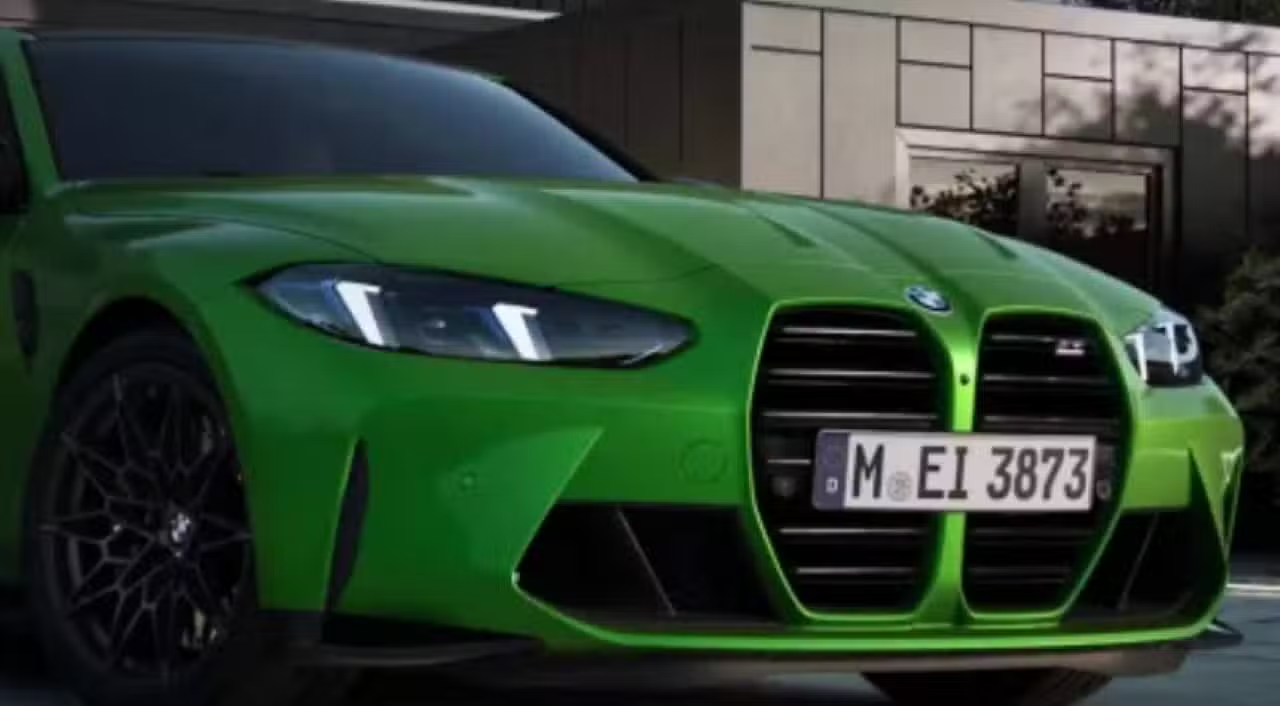
The German manufacturer’s sports division officially entered a model with a family body into one of the most demanding races in world motorsport. The modified vehicle will line up on the Nordschleife grid to face a full day of non-stop competition, marking a shift in the brand’s approach to traditional race car formats. The introduction of a high-performance station wagon into an environment historically dominated by sports coupes represents a milestone in contemporary automotive engineering, requiring severe adaptations to withstand the extreme forces generated on the track.
The project involves the complete adaptation of a series production car. Engineers worked to integrate high-performance components into a structure originally designed for everyday use.
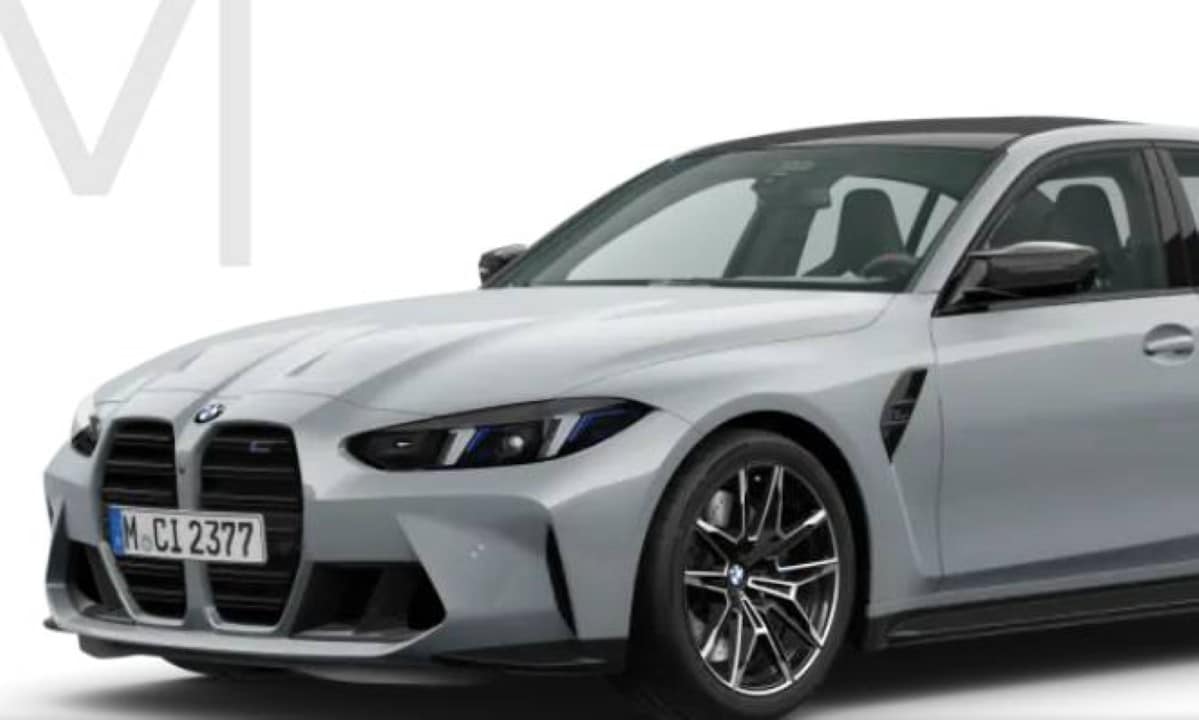
The initiative responds to long-standing requests from brand enthusiasts. The development demonstrates the flexibility of the current platform, which functions as a real-time laboratory for new technologies.
Origin of the project and transformation of the digital concept
The idea of putting a sports station wagon on the tracks emerged at the beginning of the previous year as a digital marketing action. The manufacturer published computer-generated images of a competition model with an elongated body, which quickly generated strong engagement on social media. The publication reached more than one and a half million views in just a few days, highlighting the public’s real interest in a racing version of the family vehicle.
Given the massive response, the sports division’s management authorized the transition from the digital concept to a physical prototype. The development process took place at an accelerated pace, taking advantage of the engineering base already existing for other models of the brand. The design team collaborated closely with vehicle dynamics engineers to ensure that the transition from the screen to the asphalt maintained the station wagon’s visual identity, meeting the rigorous aerodynamic demands demanded in the Nordschleife competition.
Technical specifications of the station wagon adapted for the tracks
The mechanical basis of the new competition model shares several elements with the already renowned M4 GT3 EVO. Essa synergy allowed the development process to be accelerated, taking advantage of components tested and approved in long-term trials.
The brand’s traditional six-cylinder in-line engine was maintained in the project. The propellant provides the power necessary to drag the bulkier body on the straights of the German circuit, requiring a specific recalibration of the management software.
In dimensional terms, the racing station wagon presents notable differences compared to the original street model. The overall length has been increased by 200 millimeters, while the width has grown by 32 millimeters to accommodate the competition suspension system and wider tires.
The internal structure was completely stripped of any comfort items, receiving a protective cage welded directly to the chassis. The instrument panel has given way to a digital telemetry display, providing pilots with vital information on temperatures, pressures and fuel consumption in real time.
Aerodynamics optimized for the vehicle’s familiar shape
The biggest engineering challenge in developing the competition model was optimizing airflow over the elongated body. Diferente of a coupe, where the roof slopes smoothly to the rear, the station wagon has a continuous roofline that ends abruptly, creating a significant low pressure zone at the rear. Para To mitigate aerodynamic drag and generate the necessary downforce, the designers installed a large rear diffuser, designed to accelerate the air passing under the flat floor. The rear spoiler was positioned at a specific height, calculated in a wind tunnel, to capture the clean air flowing over the roof without the interference of turbulence generated by the side windows. At the front, the bumper received side deflectors and a pronounced lower splitter, responsible for directing air to the high-capacity radiators and brake cooling ducts. The wheel arches were widened and gained air outlets at the top, relieving internal pressure and reducing front axle lift at high speeds. Todo the aerodynamic package was constructed from carbon fiber to keep the vehicle’s total weight within the limits established in the project.



Strategic partnership for the development of compounds
The vehicle dynamics of a competition station wagon differ substantially from a traditional coupe, requiring specific rubber compounds. Para face this challenge, the automaker established technical cooperation with the tire manufacturer Yokohama.
The Japanese company took on the responsibility of creating a set of tires capable of withstanding the unique lateral loads generated by the model’s higher center of gravity. Testes Preliminaries indicated that the load on each rear wheel increased considerably due to the extended roof.
Engineers developed a reinforced carcass for the rear tires to prevent excessive deformation during the strong compressions encountered on the Nürburgring circuit. The collaboration included testing sessions in simulators and on the track, focusing on thermal degradation during long shifts of driving.
Formation of the pilot squadron for the German challenge
Driving the vehicle during the twenty-four hour race was entrusted to a quartet of factory drivers with extensive experience on the circuit. Jens Klingmann, Max Hesse, Sheldon van der Linde and Dries Vanthoor were selected to take turns commanding the station wagon.
The choice prioritized professionals who are already familiar with the dynamics of the brand’s cars and the specificities of the German layout. The quartet actively participated in the final tuning phases of the chassis, providing direct feedback to the engineers about the rear’s behavior in high-speed sections.
Competition category and the automaker’s goals at the event
The competition regulations determined the model’s registration in the SPX category, intended for special vehicles and prototypes that do not qualify for traditional homologations. Essa classification means that the station wagon will not compete for the overall victory directly with the SP9 class cars.
The team’s primary objective is to complete the endurance race without serious mechanical failures and accumulate the highest mileage possible. Participation functions as a technological showcase, proving that the brand’s engineering can transform a family vehicle into a machine capable of withstanding the most hostile environment in motorsport.
Final preparations and practical tests on the circuit
Before the twenty-four hour main event, scheduled for May 16th and 17th, the vehicle will undergo a battery of evaluations in real racing conditions. The team entered the car in stages of the local Nürburgring championship to validate the aerodynamic and mechanical solutions in heavy traffic, adjusting fuel consumption and training the team of mechanics for pit stops.
Veja Tambem em News (EN)

Research reveals that parents are unaware of how their children use artificial intelligence

Samsung releases new system update with new features for Galaxy Watch 4 users

Digital retail reduces the value of the Galaxy S25 5G smartphone with bank bonuses and device exchange

Amazon’s wireless CarPlay adapter has a 50% discount and high approval ratings from drivers

Zach Cregger’s new Resident Evil ignores games and focuses on an unprecedented story with new characters

Rumor suggests that Nintendo is preparing a special edition of the Switch 2 with a remake of Ocarina of Time

Apple accelerates production of the iPhone 17e and develops new Air model with dual camera system

Epic Games platform releases twelve high-budget games at no permanent cost for PC users

PlayStation 5 Pro price drop accelerates digital retail sales and eliminates global stocks

New Galaxy Watch 9 firmware appears on server and confirms progress in software development

Apple’s commemorative project tests cell phone with 1.1 millimeter edge and curved screen for 2027
