
Death of Lucho González at age 79 marks mourning in Latin American music

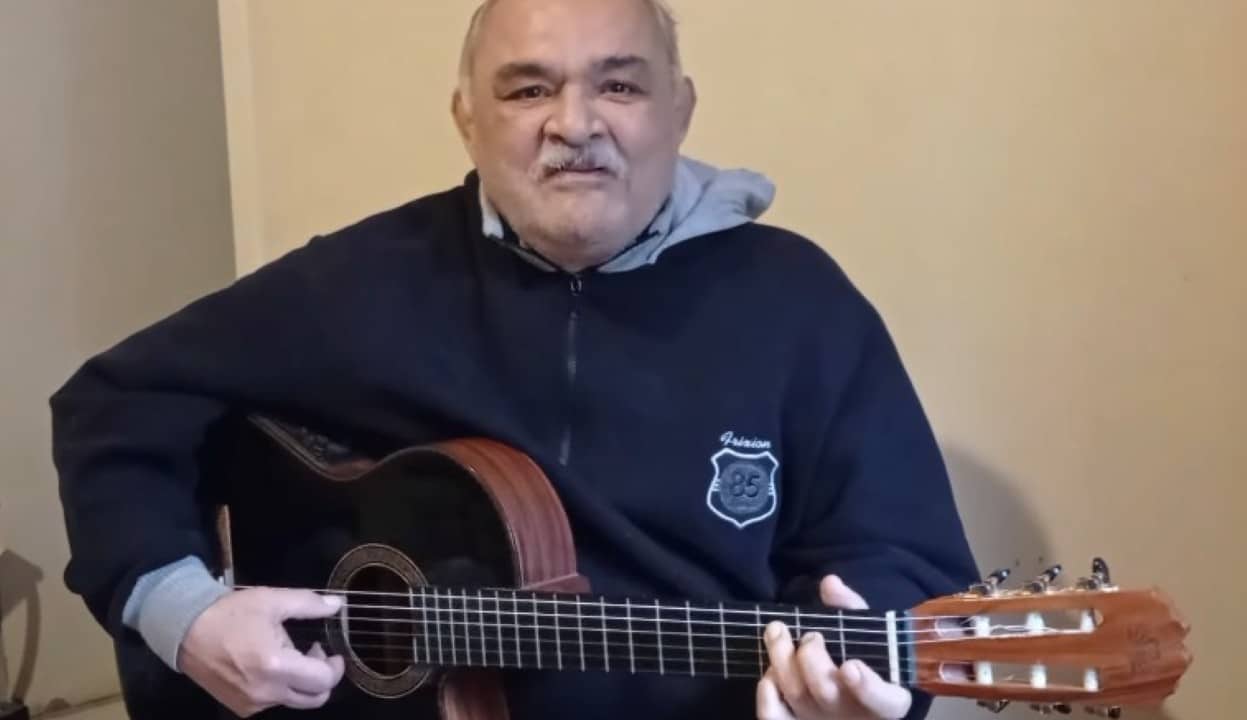
Musician Luis Alejandro González Cárpena, known as Lucho González, has passed away at the age of 79. Nascido in Lima in Peru on November 25, 1946, he arrived as a baby in Reconhecido as a master of the criolla guitar and creator of a style that mixed tradition and innovation, the artist gained international recognition for accompanying big names in América Latina music.
News of the death began circulating on social media on the afternoon of Saturday, March 28, 2026 and gained momentum in the following hours on both Argentina and Peru. González stood out for an approach that combined precise technique with interpretative sensitivity. Ele moved between the Peruvian criollo guitar and fusions with Argentine and Latin American folklore without losing the original identity.
Trajectory that crossed borders
Lucho González has developed lasting partnerships over the decades. Ele served as musical director and accompanist for Chabuca Granda and shared stages and recordings with Mercedes Sosa. Sua’s presence also marked works alongside Fito Páez, Pedro Aznar and other artists from different generations.
The guitarist formed memorable trios that expanded the instrument’s possibilities in popular music. One of them brought together Lito Vitale, Bernardo Baraj and Lucho González, with performances that highlighted original arrangements and controlled improvisations. Featured trio Outro featured Jorge Cumbo and explored new sonic textures in the context of expanded folklore.
Partnerships with big names in music
The musician also collaborated with composers and performers such as Alejandro Lerner and Diego Torres on different projects. Essa network of professional relationships has consolidated his reputation as a versatile professional capable of adapting the guitar to varied contexts without losing the Creole essence.
González also dedicated himself to composing and teaching guitar. Ele transmitted technical and interpretative knowledge to new generations of musicians interested in updated Latin American tradition. Sua influence appears on several albums and shows recorded over the last five decades.
Contributions to the criolla guitar
The artist was born into a family with a strong connection to music. Seu father, Javier González, was a singer in the group Los Trovadores del
Despite having started studying Direito at Pontifícia Universidade Católica of Peru, Lucho González chose to pursue a full musical career. The decision led him to Buenos Aires, where he developed most of his professional career and joined groups such as Los and Iban Cantando in 1977.
Legacy of musical fusion
The guitarist participated in recordings and tours that brought Creole music to audiences outside of América Latina. Sua ability to interact with different rhythms and styles allowed the instrument to gain space in broader contexts without losing connection with its Peruvian and Argentine roots.
Colleagues and cultural institutions expressed recognition for the musician’s work in the hours following the announcement of his death. The trajectory of Lucho González is remembered for uniting musical traditions from two countries into a cohesive and innovative artistic proposal.
Lasting influence on the Latin American scene
The repertoire performed by González included works by various composers and his own arrangements that enriched the original melodies. Ele valued technical precision combined with emotional expressiveness, a characteristic that defined his sound signature over the years.
The musician left a set of recordings and appearances on albums that remain available for consultation and study. Essas works serve as a reference for those seeking to understand the evolution of the guitar in popular music in the region in recent decades.
International recognition of the guitarist
Performances in concert halls and festivals consolidated the name of Lucho González as a reference on the instrument. Sua participation in trios with Lito Vitale and Bernardo Baraj or with Jorge Cumbo generated live recordings that illustrate the level of rapport achieved by the groups.
The artist’s career also included work as a producer and arranger. Essas functions expanded his performance beyond instrumental performance and contributed to the sound of several musical projects.
Details about the artistic path
- Born in Lima and moved to Buenos Aires when he was a few months old
- Acted as a companion for Chabuca Granda and Mercedes Sosa
- He formed striking trios with Lito Vitale, Bernardo Baraj and Jorge Cumbo
- Collaborated with Fito Páez, Pedro Aznar and other names in regional music
- He developed his own style that combined Creole tradition with innovation
The death of Lucho González ends a career spanning almost six decades dedicated to the guitar and Latin American music. Seu work remains a reference for musicians seeking to connect regional roots with contemporary languages.




