
Donald Trump considers taking Kharg Island and says Iran has accepted most of the US demands

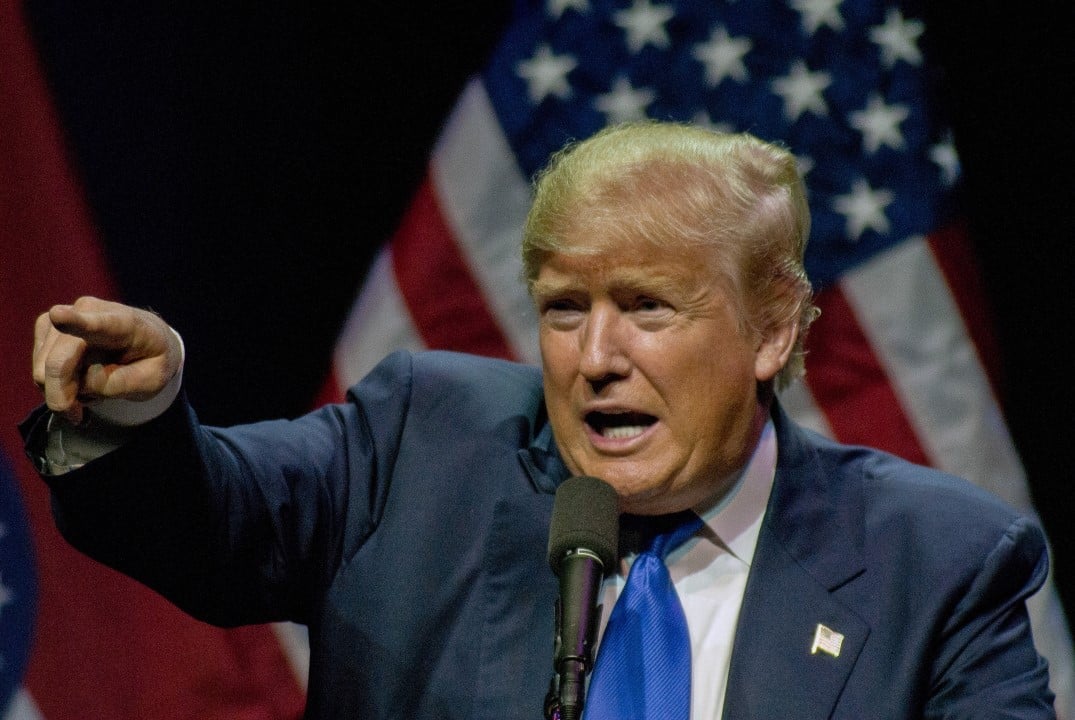
Geopolitical tensions in Oriente Médio have reached a new level, with former president Donald Trump weighing the possibility of seizing the strategic island of Kharg, a vital oil export hub from Irã. Esta consideration arises amid his statements that Teerã would have accepted “the majority” of the 15 demands presented by Estados Unidos to end the conflict. Contudo, despite the US leader’s optimism, the Iranian government expressed skepticism and did not confirm the immediate acceptance of such conditions last week.
The situation is complex and volatile, with diplomatic and military developments occurring simultaneously. The rhetoric escalated beyond words, reflecting the depth of the crisis. The arrival of the USS Tripoli, carrying 3,500 US troops to the region, adds a layer of concern about possible military intervention.
Boiling geopolitical scenario
The geopolitical board of Oriente Médio is increasingly unstable, with each move by great powers and regional nations generating significant repercussions. Trump’s statements about “regime change” in Irã, although not detailed, fuel speculation and uncertainty about the future of Iranian leadership and the stability of the region. Paralelamente, Teerã’s response demonstrates a clear resistance to external pressures, emphasizing its sovereignty and rejecting impositions.
The president of the Iranian parliament, in turn, made a serious accusation, claiming that the Estados Unidos were “secretly planning a ground invasion” while talking about negotiations. Essa accusation, coupled with the arrival of an American aircraft carrier with thousands of soldiers, raises the risk of a direct confrontation, despite the diplomatic efforts of third countries. The dynamic between negotiation and military threat is a constant in this scenario, keeping the international community on alert.
The escalation of rhetoric and the movement of troops in an already conflicted area generate apprehension. The international community is following closely, aware of the potential for destabilization that an expanded conflict could bring to the global economy and energy security.
Economic fluctuations and the oil route
Global markets reacted immediately to the intensification of the conflict, reflecting investors’ concern about the economic consequences. Oil prices registered a significant increase after the Irã issued a warning against a possible land invasion by the Estados Unidos, which added to the already considerable troop deployment in the region. Esse increase in the cost of energy has a cascading effect, putting pressure on inflation on a global scale and directly impacting economies dependent on imports.
Asian stock markets, in turn, suffered significant falls. The Japanese benchmark index The Kospi of Coreia of Sul fell 3.7%, while the Hang Seng index of Esses movements demonstrate the sensitivity of the financial market to news about the conflict.
The effective closure of the Estreito of Ormuz, a crucial shipping route for oil and gas transport, has been particularly felt by Asian economies. Essas nations depend heavily on energy imports from Oriente Médio, which mostly transit through this channel. The interruption or threat of interruption of the flow due to Ormuz causes an immediate increase in freight costs and the fuel itself, with direct impacts on supply chains and production capacity.
Diplomatic efforts and future negotiations
In an effort to de-escalate the crisis, the Paquistão announced its willingness to host talks between the Estados Unidos and the Irã “in the coming days.” Essa initiative emerged after a series of meetings with regional leaders in Islamabad, highlighting the mediation role that some countries seek to play to avoid a worsening of the situation. Diplomacy, even amid escalating tensions, remains a crucial path to finding solutions.
The Pakistani offer highlights the complexity of finding a way out of the impasse that has lasted for five weeks. The talks, if carried out, could represent an opportunity for the parties involved to present their demands and concerns, exploring possible points of convergence. The success of such dialogues, however, will depend on the political will of both sides to seek a negotiated solution, overcoming mutual mistrust and accusations.
The region as a whole is crying out for stability, and diplomatic initiatives represent a ray of hope amid the turmoil. Negotiations must address American demands, regional security, and Iranian concerns about its sovereignty and protection from external intervention.
Threats to regional and international security
The persistence of the conflict and the escalation of military statements and movements pose a serious threat not only to the Oriente Médio, but to international security as a whole. The island of Kharg, a strategic target mentioned by Trump, symbolizes the hot spot for Iranian oil exports. Sua potential takeover or any military action surrounding it would have a devastating impact on the global economy and the stability of energy markets.
The presence of thousands of American troops in the region and Iranian accusations of invasion plans create a climate of extreme caution. The line between deterrence and provocation becomes blurred, and any incident can trigger a chain reaction of unpredictable consequences. The international community, through allied organizations and nations, continues to monitor the situation, seeking ways to ease tension and avoid a large-scale conflict that would have global humanitarian and economic repercussions.
This scenario requires a multifaceted approach, combining diplomatic pressure, clear communication and the search for security guarantees for all parties involved. The memory of past conflicts in the region serves as a constant warning about the need for prudence and dialogue to avoid a greater catastrophe.
Impact on everyday life and future perspectives
The uncertainty generated by the conflict directly affects the lives of millions of people, both in the Oriente Médio region and globally. Rising oil prices impact the cost of transportation, food and other essential goods, eroding purchasing power and exacerbating economic difficulties. In countries dependent on energy imports, these increases can generate internal crises and social instability, with repercussions on various sectors of the economy.
For ordinary citizens, news of military escalation and threats of invasion generate a climate of apprehension and insecurity. Hope rests on diplomatic efforts and the leadership’s ability to find a path to peace and stability. The urgency of a peaceful solution is evident, given the disruptive potential of the ongoing conflict.
The continuation of the war in its fifth week demonstrates the complexity and resistance of the problem. The scenario requires the parties to consider the consequences of their actions, not just for their immediate interests, but for the broader web of economic and social relationships that connect the world. A focus on dialogue and compromise is critical to mitigating risks and paving the way for a lasting resolution.



