
Donald Trump expresses support for sending Russian oil to Cuba amid sanctions and debates

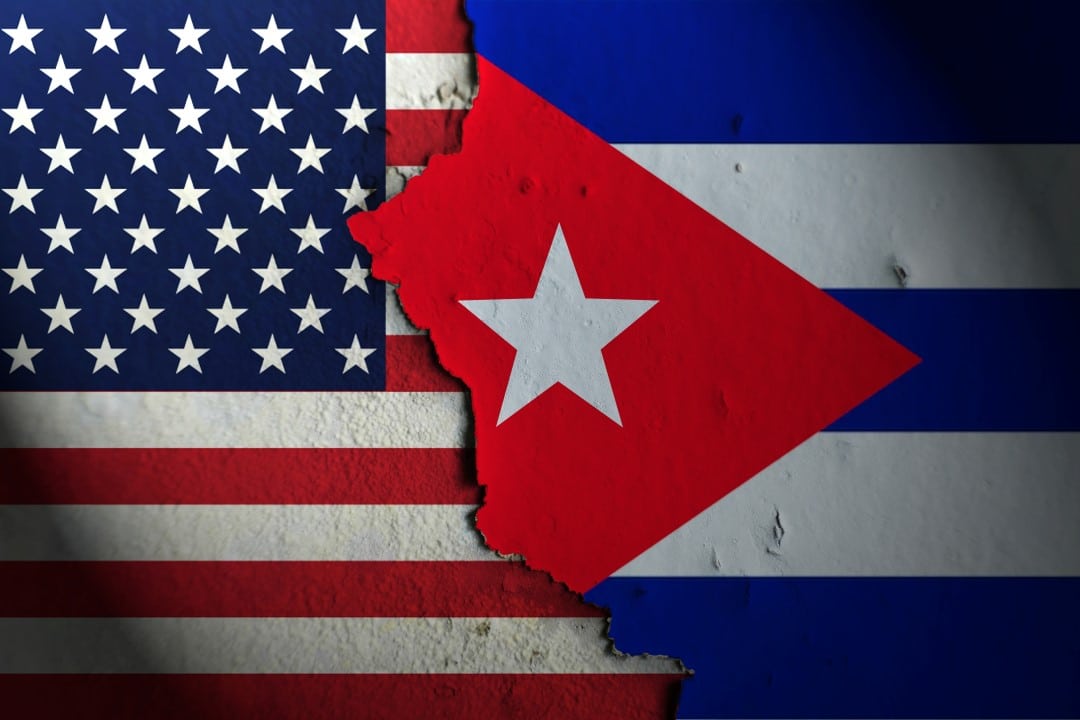
The former president of the Estados Unidos, Essa position, coming from a leader who imposed several sanctions against the Cuban regime, highlighted the complexity of international relations and the intersection between foreign policy, humanitarian aid and geopolitical interests. The delivery of the shipment, although presented as aid, was seen by many as a strategic move by both Moscou and Havana, challenging Washington’s policy in the region.
The stance of the then president, who generally adopted a hard line against governments considered adversaries, surprised some observers. The arrival of the Russian ship on the Caribbean island occurred during a period of intense economic difficulties for Cuba, worsened by American sanctions and the global crisis. Aid, in this context, represented immediate relief for the population and a symbolic gesture of solidarity between historical allies.
The Estados Unidos have maintained an economic embargo against the Cuba for decades, with the stated aim of pushing for democratic changes and respect for human rights on the island. The Russian approach, therefore, not only offered material support but also a political counterpoint to American influence. The declaration of Trump, in turn, introduced an additional layer of nuance to this already intricate dynamic.
Political analysts and international relations experts have widely debated the motivations behind the Trump demonstration. Enquanto some interpreted the declaration as specific pragmatism in the face of a humanitarian crisis, others saw it as a calculated move to further destabilize the foreign policy of their opponents or even to send mixed signals to allies and adversaries. Independentemente of intention, the episode highlighted the multifaceted nature of global diplomacy.
Reactions and the context of the decision
Former president Trump’s statement generated a series of diverse reactions, both in Estados Unidos and internationally. Enquanto some conservative sectors criticized the apparent softening of the stance in relation to Cuba, others, including humanitarian groups, saw the measure as a tacit recognition of the need for aid to the Cuban population. The subsequent US administration, in turn, maintained a policy of sanctions, but also demonstrated a willingness to dialogue in certain areas.
The context of Trump’s decision needs to be analyzed from the perspective of the “America First” foreign policy, which often prioritized national interests and a transactional approach to international relations. Tacit permission for the delivery of Russian oil, even for humanitarian purposes, could be interpreted as a way to avoid an unnecessary escalation of tensions or to focus on other more urgent geopolitical priorities for Washington. The complexity of the scenario was amplified by the perception that Rússia was expanding its influence in strategic regions.
History of US-Cuba relations and the embargo
Relations between Estados Unidos and Cuba are marked by a history of tensions, mistrust and an economic embargo that has lasted for more than six decades. Desde to Revolução Cubana from 1959, Washington has implemented several policies to economically isolate the island, aiming to change the regime. The embargo, although modified at some points over the years, remains one of the longest and most comprehensive in modern history.
American policy towards Cuba has oscillated between periods of greater rigidity and attempts at rapprochement, such as that which occurred during the Obama administration, which reopened embassies and facilitated travel and remittances. Contudo, the Trump administration reversed many of these relaxations, intensifying sanctions and placing Cuba back on the list of countries sponsoring terrorism. Essas measures sought to further pressure the Cuban government.
The presence of a Russian ship delivering aid to Cuba has always been a sensitive point, harking back to the times of Guerra Fria, when the island was an important strategic ally of União Soviética. Russian assistance, whether military, economic or humanitarian, is often seen by Washington as an affront to its regional sphere of influence. The dynamic between the three countries remains a central element in the geopolitics of Caribe.
Russian influence on América Latina and Caribe
Rússia has sought to reassert its influence in various regions of the world, and América Latina and Caribe are no exception. The relationship with Cuba is a pillar of this strategy, but Moscou has also strengthened ties with other countries such as Venezuela and Nicarágua. Essa rapprochement involves trade agreements, military cooperation and, in some cases, political support for regimes that oppose American hegemony.
The sending of humanitarian or commercial aid via Russian tankers to Cuba is not an isolated event, but part of a broader strategy to maintain and expand its presence in the region. Para to Rússia, strengthening these ties represents a way to challenge the US-led global order and project power in areas considered to be of strategic interest. Cooperation offers an alternative for countries facing Western sanctions.
The Russian presence in the region raises security concerns for the Estados Unidos, who see any increase in influence by rival powers in their “backyard” as a potential threat. Isso manifests itself in joint military exercises, warship visits and infrastructure investments. The American response to these moves generally involves strengthening alliances and maintaining diplomatic and economic pressure.
Trump’s statement, not opposing the Russian handover, may have been interpreted in different ways by Moscou. Para for some, it could mean an unexpected opening, while for others, just an isolated episode without major implications for long-term policy. The fact is that Rússia continues to look for opportunities to consolidate its position, taking advantage of the fissures in diplomatic relations and the economic needs of partner countries.
Implications of humanitarian aid in the political scenario
The delivery of humanitarian aid, especially when it involves geopolitically sensitive actors such as Rússia and Cuba, transcends the mere gesture of solidarity and is part of a complex political board. Para Cuba, the arrival of supplies such as oil is vital to keeping its economy and infrastructure functioning, relieving internal pressures and demonstrating that the country is not isolated internationally. Esse type of assistance can be a crucial relief for the population, who often face shortages of basic products.
However, Russian aid also serves strategic purposes for Moscou, strengthening its ties with a historic ally and sending a message to Washington about its ability to operate in distant regions. The action can be seen as a way to undermine the effectiveness of American sanctions, offering an economic alternative to Cuba. The dynamics of humanitarian aid, in this context, becomes a foreign policy tool, influencing perceptions and diplomatic relations.
Expert analysis and the future of diplomacy
Specialists in foreign policy and international relations often analyze these events from different perspectives. Muitos point out that Trump’s stance, although unusual for an American president relative to Cuba, may have been a reflection of his unconventional approach to diplomacy, where symbolic gestures often overrode traditional policies. The complexity of the Cuban scenario, with its population suffering under the embargo, may also have influenced the decision not to intervene in the delivery of aid.
In the long term, the interaction between the US, Rússia and Cuba will continue to be a focal point in global geopolitics. Cuban dependence on partners like Rússia and China to circumvent American sanctions is a persistent factor. On the other hand, American policy towards Cuba faces the dilemma of how to effectively promote change on the island without worsening the population’s suffering, a debate that has spanned decades and continues to shape the diplomatic and strategic decisions of those involved.
Challenges and perspectives for the region
The region of Caribe and América Latina continues to be a stage for the dispute of influence between great powers. The situation in Cuba, with its fragile economy and the persistence of the embargo, remains a significant challenge. The search for solutions that balance national sovereignty, humanitarian assistance and foreign policy goals will continue to be a crucial point on the international agenda.



