


Samsung has officially confirmed that the innovative privacy screen integrated into the Galaxy S26 Ultra has certain operational disadvantages compared to conventional displays of previous generations. The new feature was developed to restrict the device’s viewing angle, preventing people positioned on the side from being able to view the displayed content, which reinforces safety in public environments and public transport. Entretanto, the implementation of this layer of protection raised questions about the color fidelity and overall sharpness of the panel, even when the functionality is not being used by the owner.
The company’s stance comes after several users and technology experts reported that the content on the screen does not maintain the standard of clarity expected for the Ultra line under certain conditions. The South Korean brand highlighted that the project prioritizes user discretion, but admitted that visual variations can be noticed depending on the tilt of the device or the level of brightness applied. Segundo the statement, these changes are considered insignificant for everyday use, although the technical community points out a noticeable degradation in the chromatic accuracy and contrast of the latest generation display.
The technical specifications surrounding the new privacy screen seek to meet a growing demand for visual data security in high-traffic locations, such as offices and shared spaces. The operation is based on a structure that blocks light emitted at diagonal angles, maintaining visibility only for those looking directly at the cell phone. Para To ensure a complete understanding of this technological transition, the following points are highlighted in the initial market tests:
- Sharpness is deliberately reduced to ensure that the privacy filter fulfills its role of side obfuscation.
- Users have noticed a slightly faded appearance in colors when viewing the device from above, below or from the sides.
- Even with privacy mode deactivated, the physical presence of the protection layer interferes with the original light passing through.
- The maximum brightness of the device can accentuate visual distortions instead of correcting them, generating atypical reflections on the surface.
Visualization adjustments and technical response from the manufacturer
Samsung formally responded to questions about the visual experience of the Galaxy S26 Ultra, highlighting that the system was designed to offer clear vision under normal handling conditions. The company argues that any impact on image quality is a necessary concession to enable protection against prying eyes, something unprecedented natively in this product category. According to the brand’s engineers, the user experience should not be significantly impaired during routine browsing and media consumption tasks.
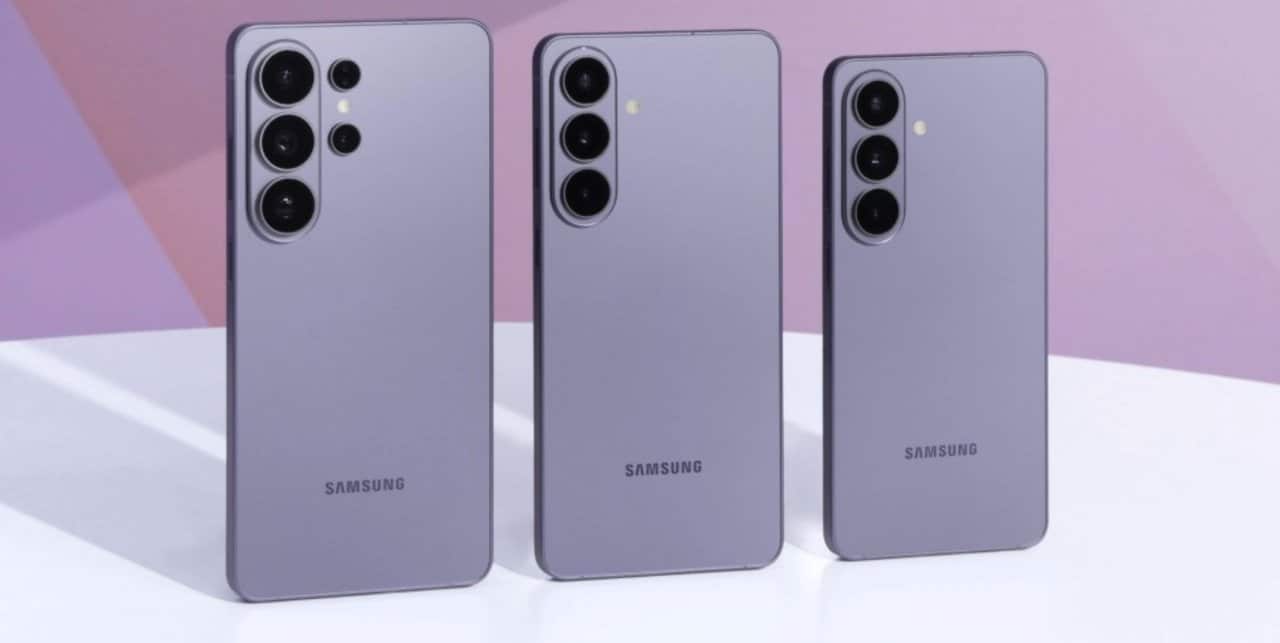
Despite the minimization on the part of the technological giant, the premium device market is usually strict about the perfection of the display panels, which are the flagship of the S line. The admission that there are “variations” confirms that the technology is still in the maturation stage and that the current hardware has insurmountable physical limitations. Para Many enthusiasts, trading absolute fidelity for privacy is a controversial step that divides opinions between consumers who prioritize design and those who focus on security functionality.
Impact on color fidelity and user experience
The phenomenon of faded colors has been the central point of criticism, especially among professionals who use smartphones to edit photos and videos on the go. Quando the brightness is adjusted to high levels, the physical properties of the privacy filter refract the light in a way that changes the color temperature perceived by the human eye. The Esse effect creates a visual barrier that, although it protects the data, ends up sacrificing the vividness that made the Samsung screens famous worldwide.
Industry experts indicate that the dissatisfaction of a portion of users could force the manufacturer to look for more refined alternatives for the next iterations of the line. However, for the corporate public and for those who travel daily through densely populated areas, the extra protection justifies the small image distortions reported. Balancing security and visual quality remains the biggest engineering challenge for the company’s display division in this release cycle.
Comparison between modes of use and perceived sharpness
Activating privacy mode drastically changes the depth perception of content, creating a kind of fog for anyone trying to observe the device from the side. Esse behavior is expected and desired for the function, however the problem lies in the persistence of visual artifacts when the feature is turned off via software. The physical layer integrated into the screen glass appears to retain characteristics that prevent a full return to the absolute transparency seen in models such as the Galaxy S25 Ultra.
Many buyers reported that, when comparing the new model with previous versions, the sensation is that there is a permanent matte film applied over the sensor. Esse detail has generated debates in specialized forums about the real need to integrate such technology directly into the hardware instead of offering removable accessories. Samsung’s decision to maintain the current architecture reinforces its commitment to an ecosystem focused on end-to-end security, even if it costs some points in image laboratory tests.
Technological perspectives for future hardware upgrades
While the debate over the Galaxy S26 Ultra’s screen continues, behind-the-scenes information already suggests that Samsung is working on substantial improvements for the device’s successor. Recent Relatórios indicate that the Galaxy S27 Ultra could be the brand’s first smartphone to use LPDDR6 standard memories, which would optimize image processing in real time. Essa developments in internal hardware could help compensate via software for some of the optical distortions caused by the physical privacy filter.
The introduction of new memory and processing standards aims to ensure that the user interface remains fluid regardless of the layers of security applied to the front panel. The expectation is that the company will be able to develop a dynamic privacy filter that does not interfere with the quality of light when deactivated. For now, owners of the current model need to adapt to the characteristics of hardware that prioritizes the protection of information above the absolute aesthetic perfection of the display.
Technical functioning of angle lock technology
The technology employed by the manufacturer uses micro-structures that direct photons of light in a narrow trajectory perpendicular to the glass surface. Quando the user tilts the device at an angle greater than 30 degrees, the light intensity drops drastically, making reading impossible for third parties. Esse principle is similar to that used in professional privacy filters for notebooks, but miniaturized to fit into the reduced thickness of a luxury smartphone.
The challenge of applying this concept to a curved or infinite-edge screen is immense, which explains the variations in brightness at the edges of the device reported by consumers. Samsung invested heavily in research to reduce the thickness of this layer, but the physics of light still imposes limits that result in contrast losses in highly lit environments. Continuously monitoring usage data will allow the company to adjust the firmware to try to mitigate these effects through dynamic color calibration.
Considerations for Using Maximum Brightness Outdoors
An important detail mentioned by Samsung in its defense is the device’s behavior in direct sunlight, where maximum brightness is often activated automatically. Under Nestas conditions, the impact of the privacy screen becomes more evident, as external light interacts with the filter’s micro-slates, generating a diffusion effect that reduces visual acuity. Recomenda Users seeking maximum fidelity should avoid tilting the device while using applications that rely on color accuracy in bright sunlight.
The brand emphasizes that, for the vast majority of activities, such as reading emails, social networks and messages, the impact is practically undetectable to the untrained eye. The manufacturer’s strategy appears to be to educate consumers about the characteristics inherent to this new category of hardware, treating limitations as properties of the material and not as manufacturing defects. Este positioning is crucial to avoid a massive recall and to maintain market confidence in the South Korean company’s innovation capacity.
The constant evolution of mobile devices brings with it the need for design choices that do not always appeal to all consumer niches simultaneously. The Galaxy S26 Ultra represents a milestone in the attempt to transform the smartphone into a productivity tool shielded from casual visual spying. Mesmo with the specific criticisms, the acceptance of the corporate market has been positive, indicating that privacy has become a valuable asset that many are willing to pay for with a little brightness or saturation.
The current scenario shows that display technology has reached a level where improvements are no longer just about resolution or refresh rate, but about intelligent hardware features. Samsung, by admitting limitations, demonstrates the transparency necessary to manage the expectations of an increasingly informed and demanding customer base. The future of the Ultra line will depend on how engineering can combine data protection with the visual excellence that has been the hallmark of the Galaxy line for more than a decade.



