
GameStop restructures operations and announces closure of hundreds of stores in the US

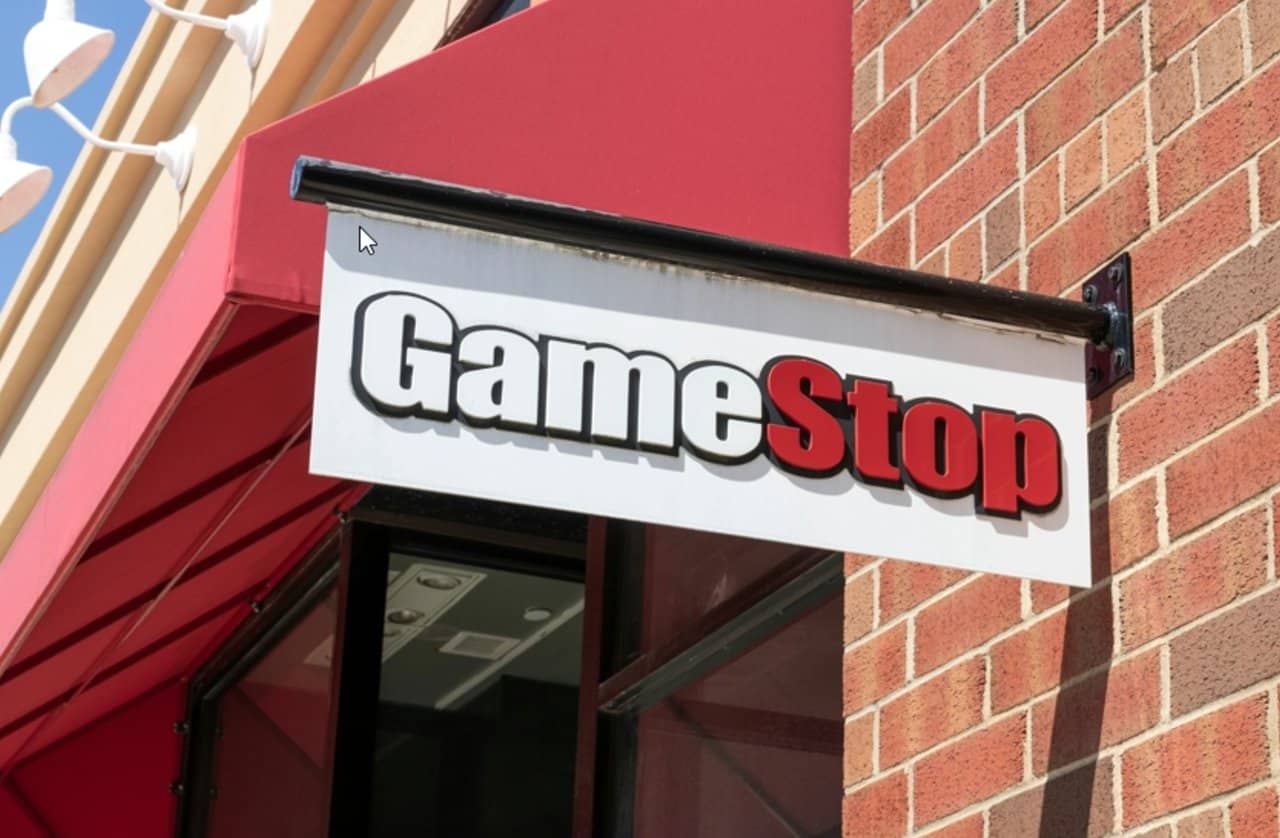
GameStop, one of the most iconic video game retailers in the world, has implemented a significant restructuring of its operations, which includes the closure of hundreds of its physical stores across the country. Esta measure reflects a strategy of adapting to a market in constant transformation, where the consumption of games and related products increasingly migrates to digital platforms and e-commerce. The decision, although expected by industry analysts, marks a crucial moment for the company, which seeks to optimize its structure and ensure long-term sustainability.
The movement to downsize the physical store base is a direct response to changes in consumer behavior and growing competitive pressure. The company, which once dominated the physical media game sales landscape, now faces the challenge of reinventing its business model in an environment dominated by digital downloads, subscription services and e-commerce giants. The readjustment aims to reduce operational costs and direct investments to more promising areas, such as improving the online experience and diversifying the product portfolio.
This adjustment process is nothing new for GameStop, which has been dealing with the complexity of its transition for years. The company has been exploring new avenues such as expanding its product catalog to include collectibles, accessories and gaming hardware, as well as strengthening its e-commerce platform. Store closures are therefore a painful but necessary step in the journey of modernizing and revitalizing the brand in a dynamic entertainment sector.
Restructuring and the physical retail scenario
The decision to close hundreds of GameStop units is a symptom of the crisis that has affected physical retail for years, especially in shopping centers and shopping centers. With the convenience of online shopping and the growing preference for digital media, the traditional model of stores specializing in video games has faced increasing difficulties in attracting and retaining customers. GameStop, with its vast network of stores, felt the impact most acutely.
This strategic move aims to consolidate operations in more profitable units and in strategic locations, at the same time as the company seeks to strengthen its digital presence. Optimizing the store portfolio is essential to cut rent, maintenance and personnel expenses, freeing up resources that can be reallocated to investments in technology and digital marketing.
The rise of digital and fierce competition
The main driving force behind GameStop’s restructuring is the inexorable rise of the digital video game market. Each year, a greater portion of game sales occurs through downloads on platforms such as Steam, PlayStation Store, Xbox Store and Nintendo eShop, decreasing demand for physical copies that were GameStop’s flagship product. Essa paradigm shift placed the company in a delicate position.
Furthermore, competition has intensified not only with console developers’ own digital stores, but also with large online retailers like Amazon, which offer a wide range of gaming products at competitive prices and fast delivery. GameStop, with its business model based on the exchange of used games and sales of new physical titles, needed to rethink its value proposition for the consumer.
The growing popularity of gaming subscription services such as Xbox Game Pass and PlayStation Plus, which offer access to an extensive library of titles for a monthly fee, has also impacted individual game sales. Esses services reduce the need to purchase new games on physical media, further eroding GameStop’s customer base.
Financial impact and adaptation strategies
The closure of hundreds of GameStop stores will have a direct impact on its finances, seeking to ease pressure on profit margins and improve the company’s overall profitability. Embora the initial cost of closing operations may be significant, in the long term, the reduction of fixed operating expenses is seen as essential for the retailer’s financial health. The company has been looking for ways to become more agile and efficient in a turbulent market environment.
GameStop has explored several strategies to adapt to this new scenario. One approach has been to diversify its inventory, expanding its product offerings beyond games to include pop culture items, collectibles, merchandising and PC hardware. Essa strategy aims to attract a broader customer base and capitalize on growing niche markets.
Another front of action is investment in its e-commerce platform and loyalty programs, seeking to create a more integrated and attractive online shopping experience. The goal is for the digital channel to partially compensate for the loss of sales in physical stores, offering convenience and a wider selection of products.
The company has also been trying to optimize its remaining stores, transforming them into experience centers for the gaming community, with events, launches and game testing areas. The idea is that physical stores become more than just points of sale, but places of engagement and interaction for video game fans.
The challenge of customer experience in stores
Maintaining a relevant and engaging customer experience in its remaining physical stores is one of the biggest challenges for GameStop. In a world where online convenience is paramount, stores need to offer something more to justify the consumer’s visit. Isso may include specialized service, exclusive events, game testing areas and an environment that promotes the gaming community.
The company is aware that simply selling products is no longer enough. The shopping experience needs to be differentiated and add value. Investimentos in team training and modernizing store design are crucial for physical units to remain an important point of contact for customers.
Perspectives for the future of GameStop in the market
GameStop’s future remains a topic of intense debate among analysts and investors, but the ongoing restructuring indicates a serious effort by the company to stay relevant. The ability to quickly adapt to new trends in the video game market and consolidate its position as a strong player in both physical and digital retail will be crucial to its success. The company will need to demonstrate resilience and continued innovation to navigate industry challenges and capitalize on emerging opportunities such as the growth of esports and virtual reality. Revenue diversification and building a strong brand that transcends the sale of games on physical media are essential steps in this transformation journey.
The strength of the online community and the brand’s legacy
GameStop, despite its challenges, has a considerable legacy and a community of loyal fans, many of whom have shown their support at crucial times. Essa strength, evidenced by movements like the “meme stock” in previous years, represents a valuable asset that the company can and should leverage in its recovery strategy, transforming consumer passion into engagement and sales.



