
HBO’s The Last of Us phenomenon ends initial season with captive critics and audience

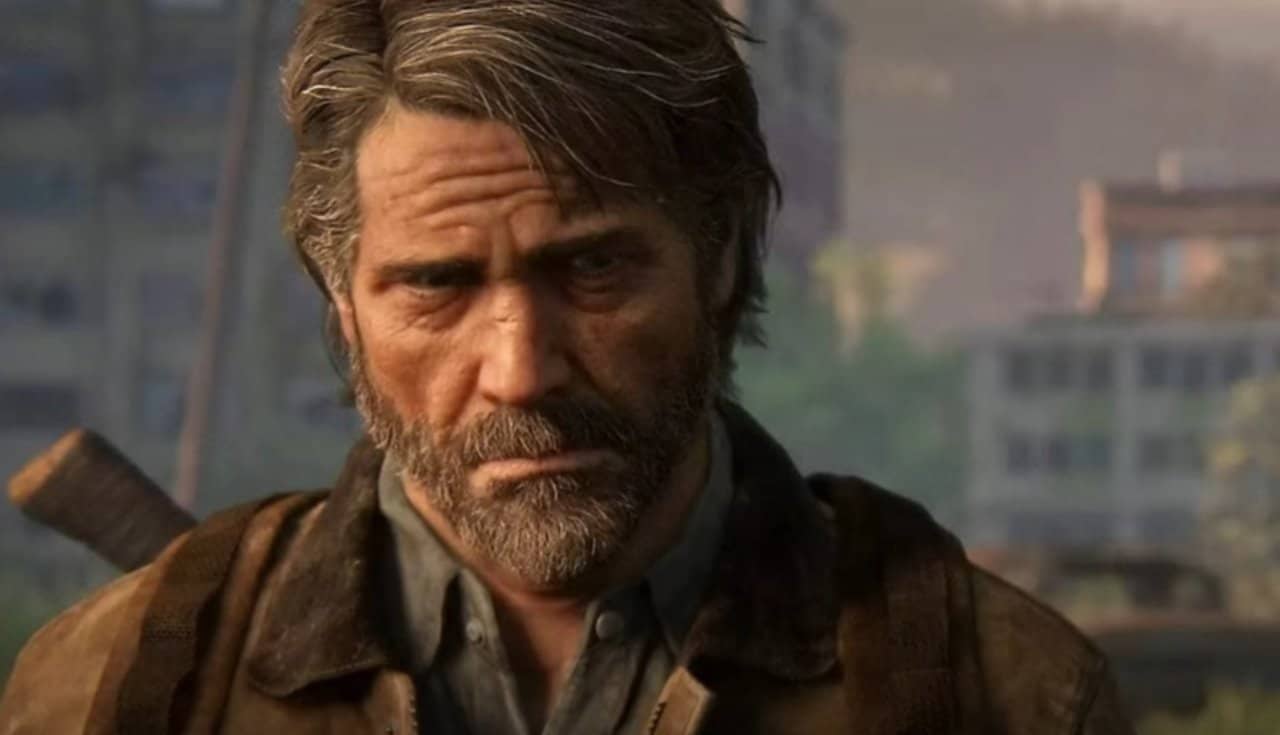
The acclaimed series “The Last of Us”, produced by HBO, has ended its first season, marking a turning point for fans and the television industry. The production, which adapted the renowned game by Naughty Dog, won over a legion of viewers around the world, consolidating itself as one of the biggest hits of 2023. The outcome of this initial phase left a mix of satisfaction and anxiety, with the promise of future narratives that will continue to explore the post-apocalyptic universe.
Since its debut, the series has been praised for the depth of its characters and its fidelity to the original complex plot. The narrative follows Joel and Ellie on a dangerous journey through an Estados Unidos ravaged by a fungal pandemic, where survival is just the beginning of the challenges. The chemistry between the protagonists, played by Pedro Pascal and Bella Ramsey, was one of the pillars for the success of the adaptation, captivating both fans of the game and new viewers.
The series’ cultural impact transcended expectations, generating heated debates on topics such as love, loss, morality and the nature of humanity in times of crisis. “The Last of Us”‘s ability to address existential questions in a dystopian science fiction setting resonated deeply with audiences, solidifying its place as a relevant and provocative work of art.
The adaptation journey and its challenges
Translating such a beloved video game to television always presents monumental challenges, but “The Last of Us” managed to navigate these waters masterfully. Producers Craig Mazin and Neil Druckmann, the latter creator of the game, worked together to ensure that the essence of the story was preserved, while exploring new nuances and expanding the narrative universe. The collaboration resulted in a series that is both a tribute to the source material and an independent work of great merit.
One of the most celebrated points was the way the series deepened secondary characters and explored arcs that, in the game, were more peripheral. Episódios like Bill and Frank were widely acclaimed for their sensitivity and emotional depth, proving that the adaptation was not afraid to innovate and add layers to the already known story. Essa approach enriched the experience for everyone, offering new perspectives and emotions.
The production faced the complexity of recreating a devastated world with impressive realism and detail. Desde From the ruined cities to the natural landscapes that became refuge for survivors, each setting was meticulously constructed to immerse the viewer in the dark and dangerous atmosphere. The investment in visual and practical effects, along with the impeccable art direction, contributed to the authenticity and grandeur of the series.
Recognition and featured audience
The first season of “The Last of Us” not only won over the public, but also the specialized critics. The series has accumulated a number of nominations and awards, solidifying its status as one of the most important productions in contemporary television. The general consensus pointed to excellence in script, direction, performances and production, highlighting quality in all technical and artistic aspects.
HBO’s viewing figures have been consistent and impressive throughout the entire season. With each new episode, the series registered peaks in viewers, both on television broadcast and on streaming platforms. Esse’s robust performance is a testament to the story’s universal appeal and the effectiveness of the marketing campaign that preceded and accompanied its airing. The ability to keep audiences engaged week after week is a remarkable feat in today’s content consumption landscape.
The series has also generated a significant increase in interest in the original game, attracting new players and reigniting the passion of old fans. Esse phenomenon of feedback between media demonstrates the power of a successful adaptation in expanding the reach of a franchise. HBO knew how to capitalize on the existing fan base while creating an accessible gateway for those who had never been exposed to the story of Joel and Ellie.
The performance of the main and supporting cast
The casting of Pedro Pascal as Joel Miller was initially met with some trepidation from the game’s fans, but the actor quickly dispelled any doubts with a visceral and moving performance. Sua’s portrayal of the hardened survivor but with a heart scarred by loss was widely praised for its depth and nuance. Pascal managed to capture the essence of the character, adding layers of humanity and vulnerability.
Bella Ramsey, in the role of Ellie Williams, also delivered an exceptional performance. The young actress brought to the character a mix of resilience, sarcasm and a lost innocence that made her instantly captivating. The evolution of the relationship between Joel and Ellie, from reluctant strangers to an inseparable duo, was the emotional core of the series, and the chemistry between Pascal and
In addition to the protagonists, the supporting cast shone in their respective appearances, each contributing to the richness of the narrative universe. Nomes as Gabriel Luna (Tommy), Anna Torv (Tess), Melanie Lynskey (Kathleen) and Nick Offerman (Bill) delivered memorable performances that added weight and depth to the plot. The attention to detail in casting and directing the actors was a crucial differentiator for the overall quality of the production.
The future of “The Last of Us” on television
With the resounding success of the first season, HBO was quick to announce the renewal of “The Last of Us” for a second season. The news was received with enthusiasm by fans, who are now eagerly awaiting the continuation of the saga. The next phase of the series is expected to adapt the events of “The Last of Us Part II”, the second game in the franchise, known for its even darker and more controversial narrative.
Expectations for the second season are immense, especially considering the twists and turns and new characters that will be introduced. Producers have already indicated that adapting “Part II” may require more than one season due to the complexity and scope of the story. Essa approach suggests a commitment to exploring the material thoroughly and unhurriedly, ensuring that each narrative arc receives the attention it deserves.
The challenges of adapting “The Last of Us Part II” are considerable, given the divisive nature of some of its narrative choices in the game. However, the creative team demonstrated a unique ability to deal with sensitive material and construct impactful stories. The solid foundation established in the first season offers a promise that the sequel will maintain the high standard of quality and emotional depth that won over audiences.
The legacy and influence on pop culture
“The Last of Us” on television set a new bar for video game adaptations. Anteriormente, many genre productions failed to capture the essence of their sources, but the HBO series demonstrated that it is possible to honor the source material while creating something new and equally powerful. The series’ success has opened doors for future adaptations and reset expectations for what these projects can achieve.
The series also left an indelible mark on pop culture, influencing conversations about storytelling, world-building, and representation. Seu impact extends beyond entertainment, provoking reflections on society, ethics and the human capacity to find hope in the midst of chaos. The temporary “goodbye” to the first season is, in effect, a “see you later” to a story that will continue to resonate and evolve, leaving a lasting legacy on the global television landscape. The series proved that art can come in different forms, uniting different media and audiences in a shared and unforgettable experience.



