
NASA Artemis II astronauts prepare for historic takeoff to the Moon at Cape Canaveral

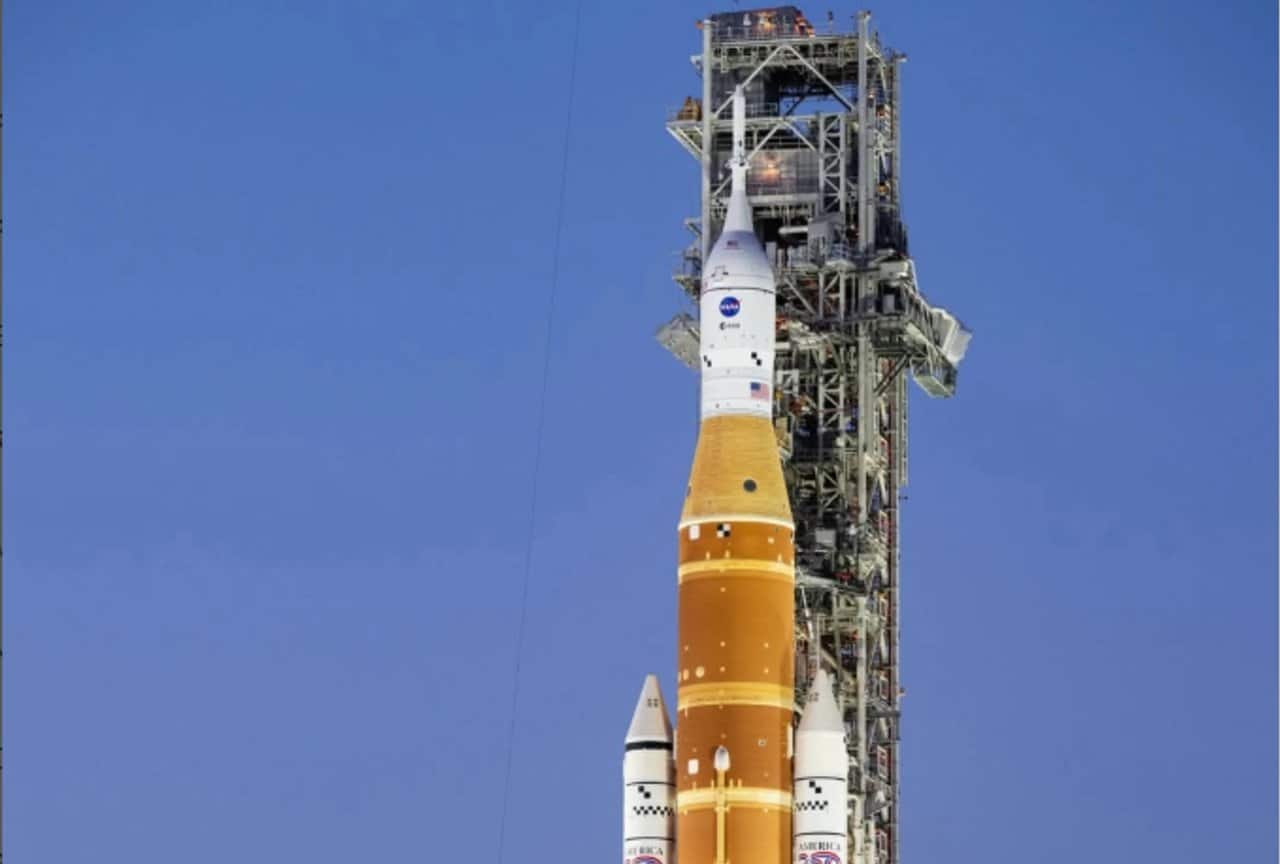
The cities of Cape Canaveral and Titusville, on the space coast of Flórida, register intense movement as the launch of the mission Quatro astronauts — commander Reid Wiseman, pilot Victor Glover, specialist Christina Koch and specialist
The liftoff represents the first crewed flight around Lua since 1972 and advances the agency’s plans to establish a permanent lunar base as a stepping stone for future missions to Marte. The countdown continues with technical and meteorological checks, as the region prepares to receive hundreds of thousands of spectators on the beaches and access roads.
Economic growth boosts region after years of decline
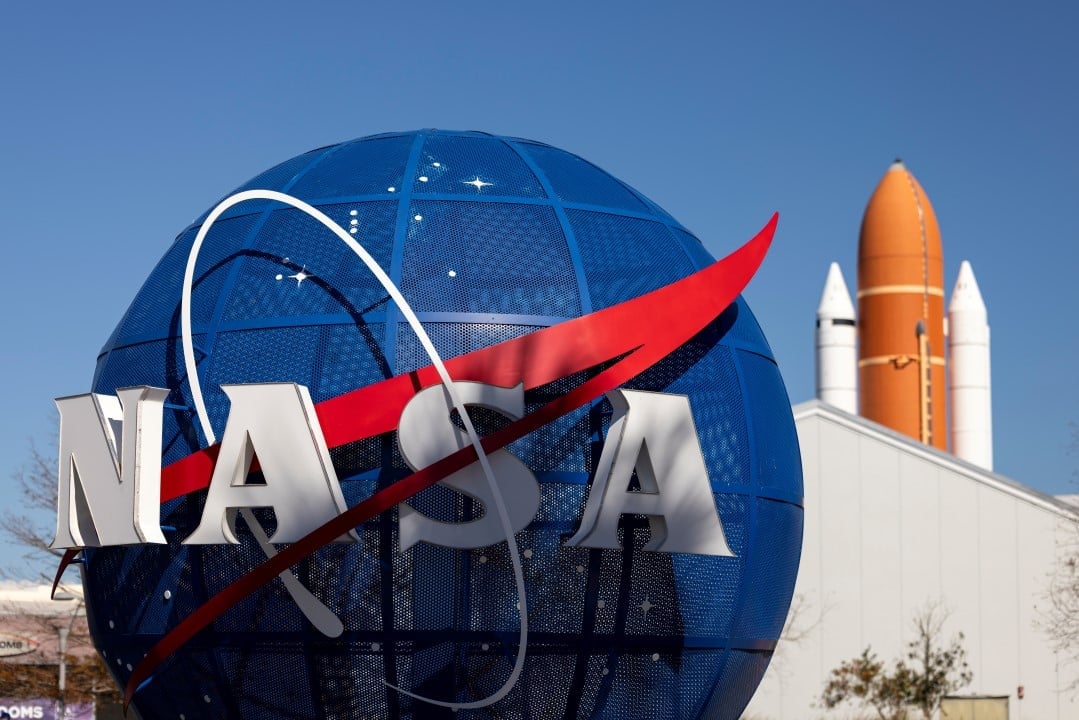
Space Coast has experienced significant revitalization since the announcement of the Artemis program in 2017.
These private partnerships complement Sistema of Lançamento Espacial of Nasa and contribute to local recovery. Estimativas indicate that the space sector generated a boost of billions of dollars in the state economy last year, creating direct and indirect jobs in the area.
- Lunar lander assembly facilities in operation or in an advanced stage of construction.
- Development of new launch vehicles to support manned and cargo missions.
- Increased demand for skilled labor in engineering and space operations.
The Space Florida partnership records continuous progress in attracting investments, which strengthens regional infrastructure and diversifies activities beyond government launches.
Residents report visible transformation in coastal cities
Don Thomas, a retired astronaut who participated in four space shuttle missions, observes increased traffic in the area during regular visits to the Kennedy Space Center visitor center. Ele mentions that roads that were previously practically deserted now have a constant flow of vehicles, with the construction of new apartments, schools and shopping centers in Titusville, Melbourne and Viera.
The movement reflects the return of families and professionals attracted by the opportunities generated by the program. The presence of private companies accelerated the occupation of spaces that were left idle after the end of the space shuttle program in 2011.
Local impact confirms recovery of historic communities
Titusville, which called itself Rocket City USA in the Apollo era, updates its identity to gateway to nature and space. Mayor Andrew Connors highlights that the city remains deeply connected to the space industry, with generations of families living and working on missions.
He recalls the challenges faced after 2011, when the municipal budget was directed towards basic maintenance of abandoned properties. Atualmente, the scenario includes residential and commercial expansion, with hotels sold out during launch week and restaurants with high demand for themed items.
Veteran engineers observe generational change in the sector
Gary Allgire, a retired Nasa engineer who worked on the Apollo and shuttle programs, serves as guide on American Space Museum in Ele remembers periods of layoffs and the departure of residents who left properties behind, contrasting with the annual arrival of new companies in the county.
Allgire notes the increase in visitors to the museum interested in details about the Artemis II and the future of lunar exploration. Interaction with the public reveals curiosity about the next steps, including the return of humans to lunar orbit.
Expectation attracts public and drives local commerce
Hundreds of thousands of spectators are expected to gather on the region’s beaches and causeways on launch day, a number that could surpass that recorded for the unmanned flight Artemis I in 2022. Hotéis in Cape Canaveral, Cocoa Beach and
The presence of themed merchandise and movement in supermarkets and public streets reinforces community engagement. Autoridades locations prepare infrastructure to accommodate flow without disruption to daily operations.
Public-private partnership sustains continued progress
The Artemis program involved the participation of multiple states in the manufacture of the rocket and the Orion capsule. Na Flórida, focus includes the transition to commercial vehicles that will assume lunar transport roles after the initial phase of Sistema from Lançamento Espacial.
Reports indicate that more than 13 thousand jobs were created or maintained by activities related to Artemis, with additional annual contributions to the regional economy. The construction of facilities dedicated to landers and rockets reinforces the position of Space Coast as an aerospace hub.
Future vision motivates new generations in the region
Retired astronauts like Don Thomas highlight the symbolism of the mission to students visiting the space center. Apresentações show images of Marte and emphasize that upcoming explorations belong to current generations, encouraging careers in science and engineering.
The Artemis II crew includes professionals with diverse experience, such as the first woman and the first black astronaut to fly beyond low Earth orbit. The ten-day flight will test Orion systems in the lunar environment before subsequent landing missions.
Final preparations focus technical and operational attention
Teams at Kennedy Space Center perform last-minute checks on the SLS rocket and Orion spacecraft positioned on pad 39B. The two-hour launch window allows for adjustments if weather conditions intervene, with alternative dates extended into early April.
The focus remains on crew safety and the success of the flight profile that will circle Lua without landing. Essa stage validates essential technologies for the construction of the planned lunar base.



