The success of the Geely Panda Mini EV in China with 600,000 sales contrasts with its absence in the country


The global automotive market is witnessing the rise of compact electric models, and one of the most notable examples of this trend is the Geely Panda Mini EV, which reached an impressive 600,000 units sold in the China. Este vehicle, known for its accessibility and urban functionality, has established itself as a popular choice among Chinese consumers, demonstrating the potential of entry-level electric cars in one of the largest markets in the world. The robust performance of the Panda Mini EV, which evolved from projects such as the EX2 and Geometry EX3, reflects a successful electrification strategy focused on mass segments.
Despite the resounding success in its country of origin, the presence of the Geely Panda Mini EV in the Brasil remains non-existent, highlighting a striking contrast between the realities of the two markets. Enquanto at Essa disparity raises important questions about the factors that shape the adoption of automotive technologies in different economic and cultural contexts.
Geely, one of the largest automotive groups in China, has expanded its global influence through several brands, including Volvo, Polestar and Zeekr, some of which already have representation in Brasil. Contudo, the strategy for the Geely brand itself, especially in the low-cost electric vehicle segment, has not yet materialized on the national scene. The absence of a model as successful and affordable as the Panda Mini EV in the company’s Brazilian portfolio signals the complexities and challenges of adapting global products to local specificities.
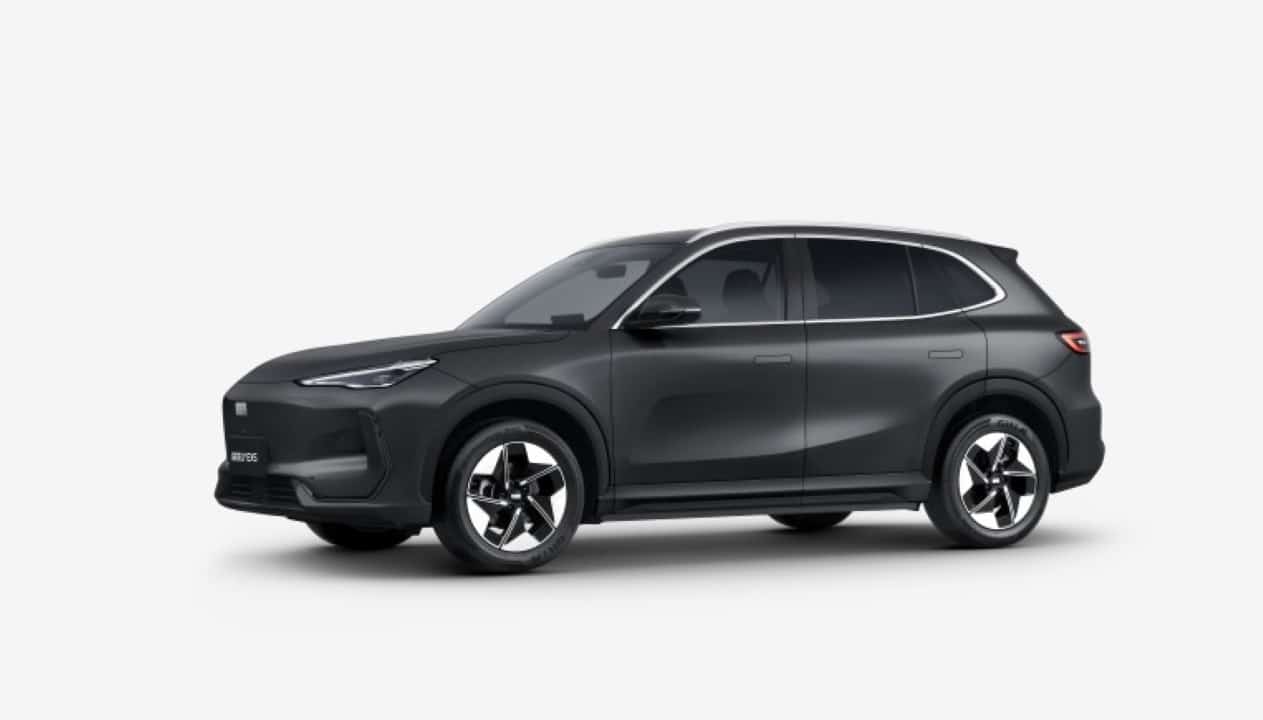
Panda Mini EV’s meteoric rise to China
The Geely Panda Mini EV, or Geometry Panda Mini as it is also known, quickly won over the Chinese public due to a strategic combination of competitive pricing, functional design and a focus on urban mobility. Lançado initially as a successor to models such as the EX2, it was positioned as an ideal solution for traffic in large cities, offering practicality and low maintenance costs. Sua popularity has grown exponentially, turning it into one of the best-selling electric vehicles in the Asian country.
Reaching the 600,000 units sold mark is not only a commercial achievement for Geely, but also an indication of the maturity of the Chinese electric vehicle market. Local consumers demonstrate strong acceptance of compact and electric cars, driven by government subsidies, ease of charging in urban areas and growing environmental awareness. The Panda Mini EV embodies this trend, offering an economical and sustainable alternative for daily transportation.
Factors driving Chinese success
The success of Panda Mini EV at China can be attributed to multiple factors that created an environment conducive to its prosperity. Primeiramente, the Chinese government has implemented robust policies to encourage the purchase of electric vehicles, including direct subsidies, tax exemptions and restrictions on combustion vehicles in large cities, which makes EVs more financially attractive to consumers. Essas measures, combined with a rapidly expanding charging infrastructure, eliminate significant barriers to adoption.
Furthermore, the culture of urban mobility in China favors compact and efficient vehicles. In densely populated cities, smaller cars are easier to park and maneuver, and the Panda Mini EV fits that niche perfectly. The offer of versions with different ranges and an entry price that is often less than R$30,000 (in direct conversion, without taxes) positions the model as a viable option for a wide audience, from young buyers to families looking for a second car for everyday life. Strong competition in the Chinese market also forces automakers to constantly innovate and offer excellent value for money.
The electric vehicle scenario in Brasil
In Brasil, the electric vehicle landscape is still in a consolidation phase, with notable growth, but on a scale and with characteristics different from those observed in China. The fleet of electric and hybrid cars has increased year after year, driven mainly by imported and higher-value models. The demand is still predominantly for vehicles that serve a public with greater purchasing power, who seek technology and sustainability, but without giving up performance and autonomy.
The charging infrastructure, although expanding, is still one of the main bottlenecks for the popularization of electric vehicles on a large scale. The charging station networks are concentrated in large urban centers and on routes with greater traffic, leaving many regions unserved. Essa limitation raises a legitimate concern about autonomy and convenience for potential buyers.
The costs of purchasing electric vehicles in Brasil remain high, making them unaffordable for the majority of the population. The absence of significant tax incentives at national level, such as exemptions from IPVA or IPI, contributes to final prices being unfavorable compared to equivalent combustion vehicles. Local production of EVs is still incipient, which maintains dependence on imports and, consequently, high values.
The perception of the Brazilian consumer also plays an important role. Muitos still associate electric vehicles with luxury models or with expensive and little-tested technology, which makes it difficult for more basic options to penetrate. The lack of knowledge about the long-term benefits, such as fuel savings and reduced maintenance costs, is also an obstacle to be overcome.
Challenges and barriers for the Brazilian market
The absence of a model like the Geely Panda Mini EV in the Brasil reflects the structural and economic challenges the country faces in the transition to electric mobility. One of the main obstacles is the high tax burden on imported vehicles, which significantly increases the final price for the consumer. Mesmo a car accessible in China, when imported into Brasil, may have its value doubled or tripled.
The charging infrastructure, although under development, does not yet offer the necessary capillarity to support a massive fleet of entry-level electric vehicles. Modelos like the Panda Mini EV, with more limited ranges, would depend even more on a dense and reliable charging network, especially in residential and work areas. The lack of standardization and the diversity of connectors are also factors that generate uncertainty.
Another crucial point is the average Brazilian income, which does not compare to the purchasing capacity of a segment of the Chinese population that can purchase low-cost electric vehicles. The current minimum wage of R$1,621 in 2026 illustrates the economic reality that limits access to more expensive consumer goods, even with the long-term savings that an EV can provide. The priority of many Brazilian consumers still falls on vehicles that offer versatility and the ability to travel long distances, something that an urban mini EV may not provide as a main car.
Geely global strategy and presence in Brasil
Geely Holding Group is an automotive conglomerate with a diversified global strategy, operating with several brands that serve different market segments. No Brasil, its presence is most notable through companies such as Volvo Cars and Polestar, which sell high-standard electric and hybrid vehicles and advanced technology. Geely also has stakes in other automakers and collaborates on automotive technology projects on a global scale.
However, the decision not to introduce the Geely Panda Mini EV or similar models under the Geely brand in the Brazilian market appears to be part of a market positioning strategy. The company may be evaluating the viability of other segments or awaiting a more favorable scenario for entry-level electric vehicles, which would involve clearer government incentives and more robust infrastructure. The current priority may be to consolidate its premium and advanced technology brands before exploring the volume segment with more affordable electric vehicles.
Why didn’t Panda Mini EV reach Brasil
The non-arrival of the Geely Panda Mini EV at the Brasil can be explained by a combination of factors specific to the local market and the automaker’s strategy. The import cost, added to Brazilian taxes, would raise the price of the vehicle to a level that would make it less competitive in relation to entry-level combustion cars and even some larger electric cars already available. The value proposition of an urban mini electric, which is its low cost and practicality, would be diluted.
Furthermore, the demand for electric vehicles in the Brasil is still concentrated in categories that offer greater autonomy and space, such as SUVs and medium sedans, which are better suited to long distances and the usage profile of Brazilian consumers. A purely urban vehicle, like the Panda Mini EV, would have a narrower market niche and would need a very specific marketing campaign and support infrastructure to gain traction.
Opportunities and future perspectives
Despite the current challenges, the Brazilian electric vehicle market has considerable growth potential, and the arrival of more affordable models such as the Geely Panda Mini EV may be a matter of time and adaptation to conditions. As charging infrastructure expands and battery production costs decline, the viability of entry-level electric vehicles increases. Políticas public incentives to encourage national production and the purchase of popular EVs could accelerate the transition.
China’s experience with the Panda Mini EV serves as a model for how electric mobility can become democratized. If the Brasil manages to replicate, even partially, Chinese success factors – such as tax incentives, infrastructure development and offering models adapted to local needs – the presence of vehicles like the Geely Panda Mini EV could become a reality, transforming the urban mobility scenario in the country.