Apple Watch Series 12 focuses on S12 processor and advanced OLED screen while maintaining classic design
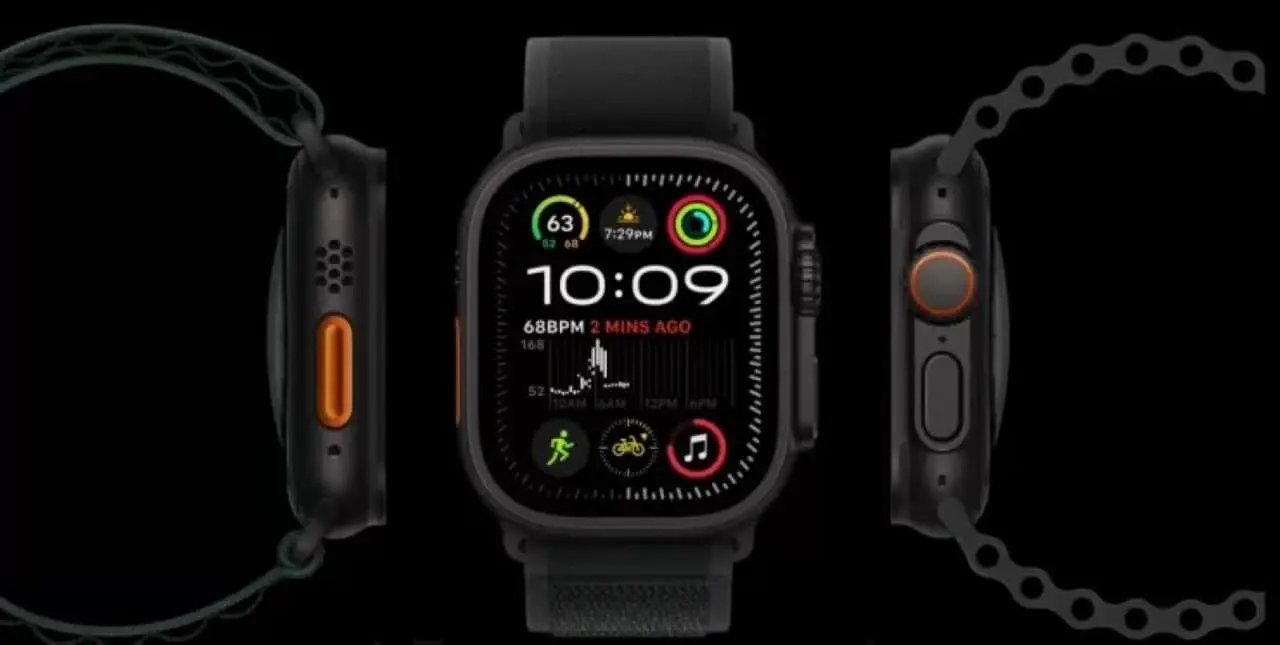
The North American technology giant sets the stage for the introduction of its next generation of wearable devices, with an absolute focus on hardware optimization and system efficiency. The brand’s new smart watch will adopt a deep internal improvement strategy, prioritizing task execution speed and visual quality. The manufacturer chose to maintain the visual identity already consolidated in the previous generation, directing its engineering efforts towards energy efficiency, processing capacity and display quality on the front panel. Essa technical approach aims to deliver a more fluid and responsive user experience for consumers looking to upgrade their daily equipment.
The wearable device market has reached a level of maturity where annual radical aesthetic changes have become less frequent and less necessary for commercial success. The strategy of focusing on the inside of the device reflects a movement in the technology industry to extend the life of designs, ensuring that investments in research and development are applied to components that actually change practical performance. Maintaining the cases in sizes of 42 millimeters and 46 millimeters exemplifies this guideline, offering ergonomic familiarity to users and maintaining the globally recognized visual standard.
This structural continuity allows engineers to focus resources on resolving processing bottlenecks and improving power autonomy. The evolution of smart watches is no longer measured solely by changes in their external format, but is now assessed by the device’s ability to operate independently, quickly and accurately when monitoring physical activities and managing notifications.
Internal architecture and evolution of the S12 processor
The heart of the new device will be the S12 processor, a component developed based on the advanced architecture of the A18 chip, the same one that powers the company’s most recent lines of high-performance smartphones. Essa architectural transition represents a significant leap in data processing capacity directly on the user’s wrist. The miniaturization of transistors allows the watch to perform complex tasks, such as processing machine learning algorithms for health monitoring, without constantly relying on a cell phone connection. The increase in the speed of opening applications, screen transitions and navigation through the operating system interface promises to be one of the main attractions of this generation for technology enthusiasts.
More on this story: Apple Watch Series 12 focuses on S12 processor and OLED screen with design maintained for the year 2026
In addition to the gross increase in computational performance, energy efficiency emerges as the biggest benefit of the new lithography of the S12 processor. Dispositivos Wearables face the constant challenge of balancing advanced features with the physical limitation of space for high-capacity batteries. The new chip can perform a greater volume of operations while consuming significantly less energy, which results in maintaining current usage time even with the addition of new sensors and a brighter screen. Engenheiros from the semiconductor area point out that this optimization is crucial to support the continuous biometric monitoring capabilities that operate in the background throughout the day and night, ensuring system stability.
Advances in screen technology and bezel reduction
The watch’s interaction surface will receive notable upgrades, even without changing the external dimensions of the aluminum or stainless steel case. The industrial design team was able to further reduce the width of the dark borders surrounding the light panel.
– Essa Reduced margins result in a considerably larger useful viewing area, allowing the operating system to display larger fonts, more accessible buttons and displays with greater information density.
– The front panel should incorporate an improved OLED technology specifically designed to offer a wider viewing angle, making it easier to read when your wrist is not perfectly facing your face.
– The maximum brightness of the display also tends to follow the standards established by versions aimed at extreme sports, guaranteeing visibility in direct sunlight in outdoor environments.
Implementation of biometrics and advanced security
The security of stored information and financial transactions carried out via the wrist will gain a new layer of protection. Registros Recent patents indicate the development of fingerprint reading technologies adapted for the compact format of smart watches.
The possible integration of a biometric authentication system would eliminate the need to enter numeric codes on the small screen every time the device is removed from the wrist or when a high-value purchase is requested via contact. Sensores built into the side buttons or under the screen itself represent the next step in the evolution of the line.
See Also



Learn more: Samsung releases new system update with new features for Galaxy Watch 4 users
Although the exact implementation still involves engineering challenges due to the waterproofing required for water activities, the adoption of biometrics would bring the watch in line with the rigorous authentication standards already established in tablets and portable computers from the same manufacturer.
Accessory compatibility and environmental impact
The decision to preserve the external shape and fitting system of the bracelets has a direct positive impact on the consumer economy and the sustainability goals of the technology industry. By keeping the fixing mechanism unchanged, the manufacturer ensures that a wide range of accessories acquired over the last few years remain perfectly functional in the new generation. Coleções of leather, sport silicone, and metal link straps will not become obsolete, encouraging upgrades to core hardware without needing to discard add-on items. Esse durable ecosystem significantly reduces the generation of e-waste and waste of manufacturing materials, aligning with global pressures for more responsible corporate practices. Design stability also benefits third-party manufacturers, who can keep their production lines active without the need to readapt molds and machinery every twelve months, stabilizing the peripherals market and ensuring variety in stores.
Market strategy and update cycle
The maturing wearables sector has transformed the way companies plan their annual launches. The absence of a drastic visual overhaul doesn’t signal a lack of innovation, but rather a transition to refresh cycles focused on real utility and refining critical hardware functions.
Consumers who use models launched three or four years ago are the main target audience for this new iteration. Para these users, the leap in processing speed, brighter screen and optimized battery represent enough reasons to switch, regardless of whether the watch maintains the classic aesthetic.
Continuous monitoring and sensor accuracy
The increased computing power of the new architectural chip will open doors for faster interpretation of biometric data. Reading heartbeats, blood oxygenation levels and sleep patterns will benefit from more complex algorithms, delivering health reports with greater accuracy and shorter latency directly to the user interface, without system bottlenecks.
Retail availability forecasts
The distribution schedule for the new equipment must follow the tradition established by the technology company over the last decade. The official presentation is scheduled to take place during the global autumn event in the northern hemisphere, sharing the spotlight with the brand’s new line of premium cell phones.
On the same topic: Apple accelerates production of the iPhone 17e and develops new Air model with dual camera system
Arrival on physical store shelves and e-commerce usually happens in the weeks following the official announcement. Analistas retail projects that maintaining the design will facilitate mass production logistics, ensuring sufficient stocks to meet the initial demand of the pre-sale period in several international markets.