
Consumers demand new version of the seven-seater Toyota Prius with a focus on design and efficiency

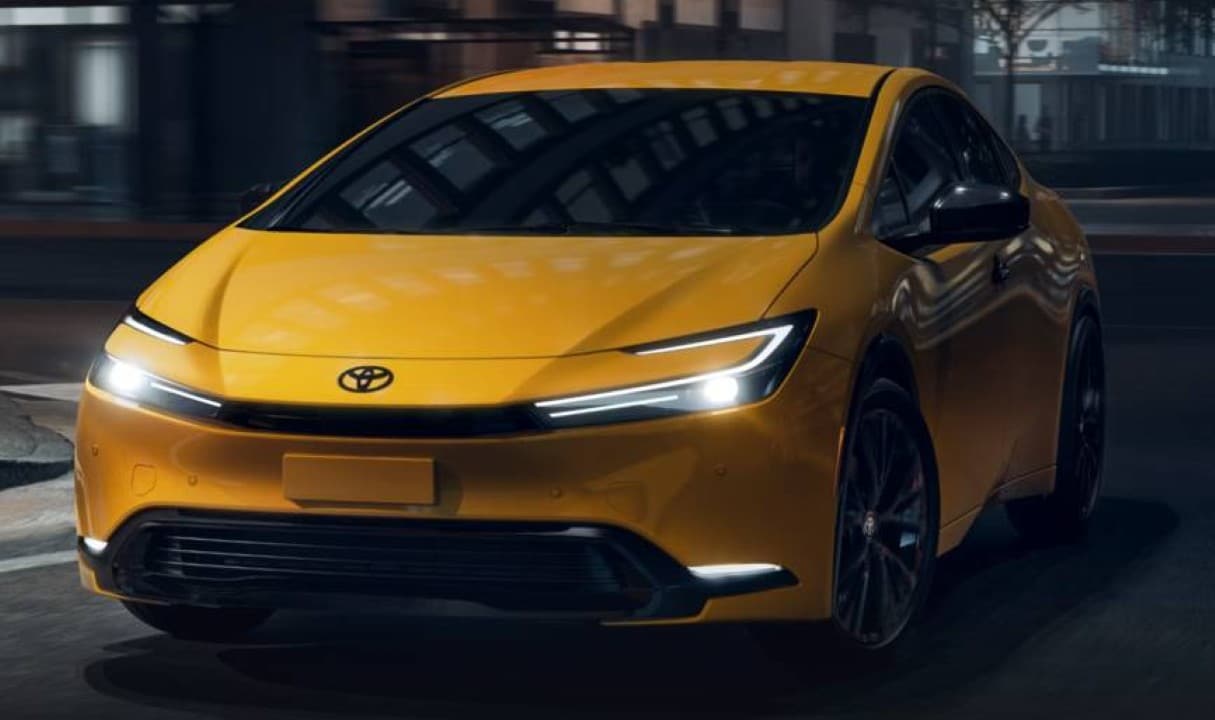
Demand for highly energy-efficient family vehicles is driving global interest in the return of an extended version of the Japanese automaker’s famous hybrid sedan. The recently launched original fifth-generation model redefined the brand’s design and aerodynamic standards, but left a particular gap in the passenger transport segment. Motoristas Those who need greater occupant capacity are looking for an alternative that combines the modern look of the vehicle with the practicality of old minivans.
The old family model, sold for a decade, gained a loyal following by offering a third row of seats without compromising fuel consumption. The absence of a direct successor generates debates among consumers, who evaluate the current options in the automotive market and point out the need for a vehicle with unique characteristics.
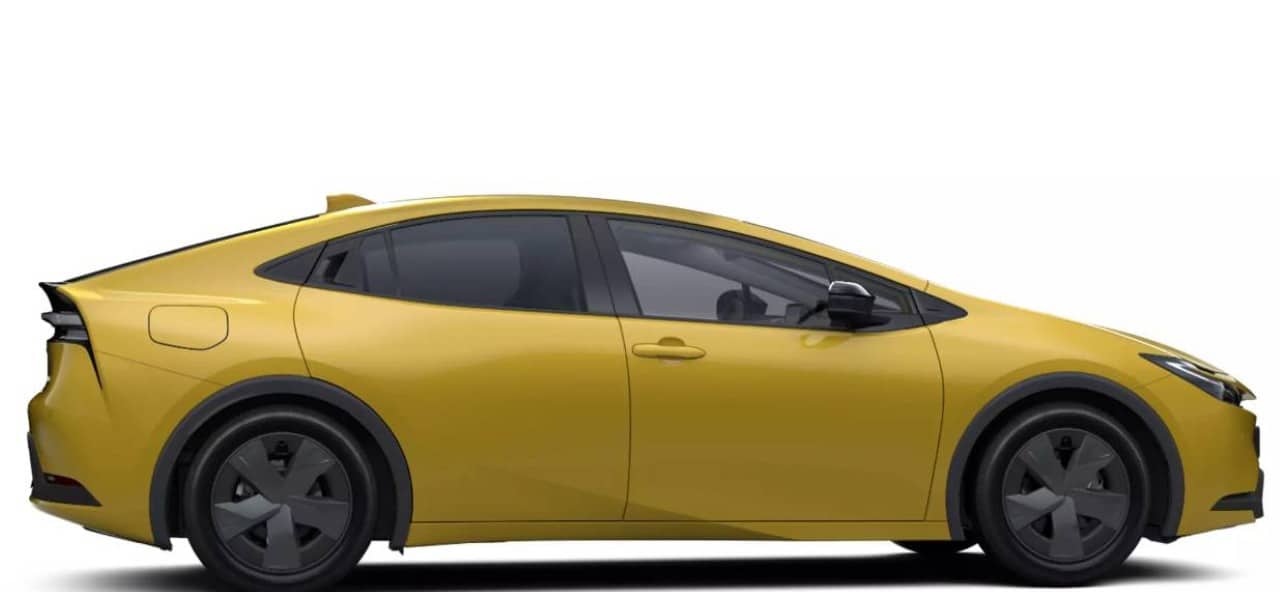
Drivers’ requirements focus on specific structural and technological points for the new automotive project, aiming to meet daily transport needs with maximum energy use.
– Manutenção of the high-efficiency hybrid system to reduce emissions in cities.
– Integração seven seats in a station wagon or elongated crossover body.
– Design aerodynamic design that avoids the square shape of traditional minivans.
– Centro low gravity to ensure stability and safety on highways.
Trajectory of the family segment
The extended version of the hybrid vehicle was produced and sold globally between 2011 and 2021, consolidating itself as a rational choice for large families. The original design used the third-generation sedan platform, intelligently modifying the rear to accommodate a more voluminous cabin and extra seats.
During its life cycle, the automobile attracted buyers who rejected conventional minivans due to their high fuel consumption and design focused strictly on utility. The discontinuation of the line forced these owners to migrate to other categories, generating pent-up demand for a direct replacement that maintains the essence of the initial project.
Dimensions and structure projections
Engineers and experts in the automotive sector believe that a possible new model would adopt optimized proportions to balance space and aerodynamics. Estimates point to a body measuring approximately 4,615 millimeters long, 1,775 millimeters wide and 1,575 millimeters high, measurements that guarantee an elegant and functional profile.
This dimensional configuration allows the maintenance of a considerably lower center of gravity than that found in large SUVs and minivans. The driving dynamics approximate the experience of driving a traditional passenger car, eliminating the feeling of instability common in tall family vehicles during evasive maneuvers.
The automaker’s modern modular platform makes it easy to lengthen the wheelbase, providing the necessary space for the extended cabin. Essa vehicle architecture ensures the torsional rigidity of the chassis, a fundamental factor for protecting occupants and for acoustic insulation inside the passenger compartment.
Hybrid system configuration
The hybrid engine represents the technological core of the vehicle, requiring precise adaptations to deal with the additional weight of a larger body and maximum passenger capacity. The system combines a high thermal efficiency internal combustion engine with powerful electric thrusters, ensuring linear acceleration and safe resumption in traffic.
The positioning of the battery pack requires detailed planning by the engineering team so as not to compromise trunk volume or legroom. The most viable technical solution involves installing energy storage modules under the vehicle floor, further contributing to balanced weight distribution.
The electronic power management is calibrated to prioritize the use of electric mode in urban environments, where intense traffic and frequent stops penalize the consumption of combustion engines. At cruising speeds, the system imperceptibly switches between energy sources, optimizing the overall performance of the trip.
The evolution of lithium-ion batteries provides greater energy density in a compact format, overcoming the limitations of older nickel-metal hydride batteries. Essa Technological update results in superior electric autonomy and a significant reduction in pollutant emissions, in line with current rigorous environmental standards.
Distribution of internal space
The internal architecture of a seven-seater vehicle requires creative solutions to ensure the comfort of all occupants, especially in the third row of seats. The project envisages the use of modular seats that can be folded individually, forming a flat floor that facilitates the transport of bulky loads when maximum passenger capacity is not necessary. The second row has sliding rails, allowing legroom to be adjusted according to the height of the users, in addition to facilitating access to the rear of the cabin through a quick and intuitive folding mechanism that optimizes the entry and exit flow.
The cabin finish follows the standard of the brand’s new generation of vehicles, using soft-touch materials, improved acoustic insulation and a digital instrument panel focused on driver ergonomics. The climate control of the environment receives special attention, with dedicated air vents for the rear rows and independent temperature control, ensuring well-being on long journeys. The integration of USB ports and storage compartments strategically distributed throughout the cabin meets the connectivity and convenience needs of modern families, transforming the interior into a highly functional space.
Advanced aerodynamic efficiency
The aerodynamic drag coefficient plays a crucial role in maximizing energy efficiency, dictating the fluid lines and teardrop silhouette that characterize contemporary exterior design. The sharp slope of the windshield, combined with a roof that slopes gently towards the rear, minimizes air resistance at high speeds, reducing the effort on the propulsion system and, consequently, fossil fuel consumption. Elementos assets, such as fins on the front grille that close to divert airflow when engine cooling is not required, work in perfect synchronization with the fully faired floor to prevent turbulence under the vehicle. The design of the alloy wheels and the integration of the door handles are also designed in wind tunnels to eliminate any unnecessary drag points. Essa scientific approach to exterior design not only improves economy figures, but also dramatically reduces wind noise in the cabin, providing a quiet and refined driving experience that stands out in the competitive family vehicle market.
Gaps in the current portfolio
The options currently available at dealerships do not fully meet the requirements of former hybrid minivan owners. Modelos Sports utility vehicles, although popular, have a higher acquisition cost and different driving dynamics, with taller and heavier bodies that directly affect daily consumption.
On the other hand, traditional station wagons offer excellent drivability and efficiency, but are limited by space, with a maximum capacity of five passengers. Large minivans, with their sliding doors and ample interior space, suffer from an excessively utilitarian design and unfavorable aerodynamics, alienating consumers looking for a bolder, more modern look.
Automotive market preferences
Buyer behavior demonstrates a clear transition in preference for body shapes, valuing vehicles that combine the aesthetics of a crossover with the functionality of an extended station wagon. The search for efficient electrification, combined with a sophisticated design and capacity for seven occupants, signals a strategic opportunity for automakers that know how to interpret and meet this specific demand for family transportation.



