
Demand for the seven-seater Toyota Prius grows among drivers looking for a successor to the Alpha

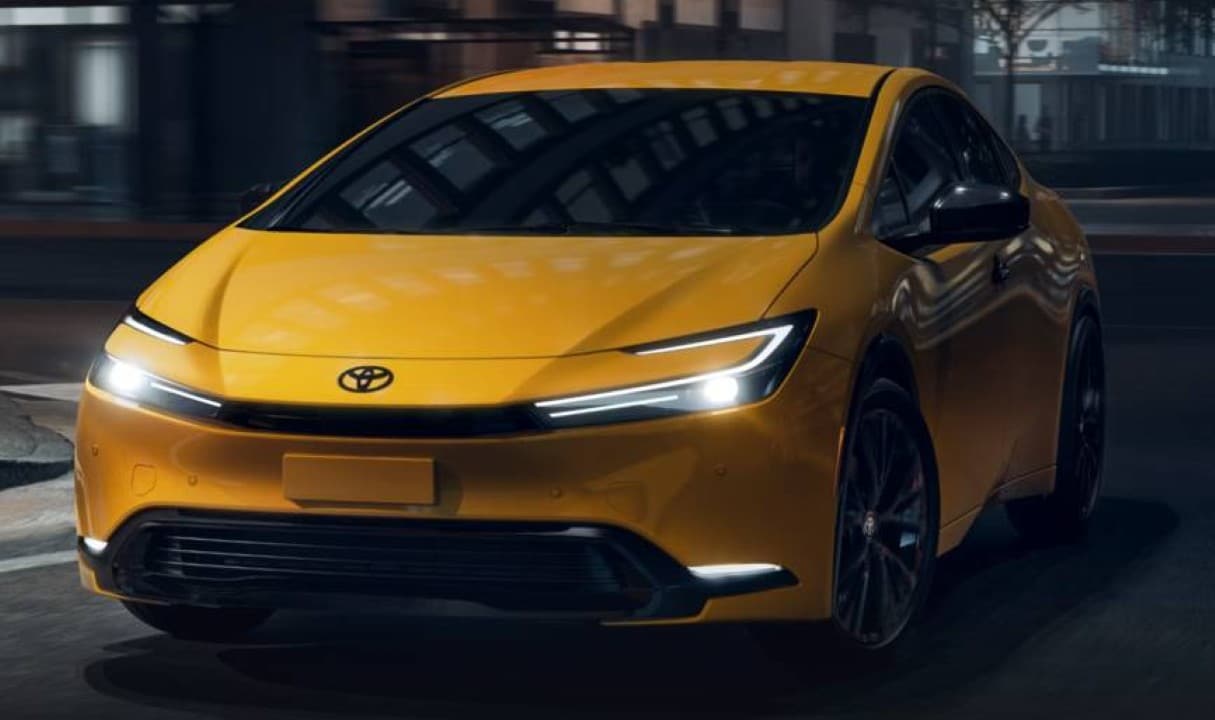
The global automotive market is registering a silent but significant movement on the part of consumers looking for family vehicles with high energy efficiency. The fifth generation of the most famous hybrid sedan in the world, recently launched with a bold design and extreme focus on aerodynamics, attracted attention and raised the standard in the category. Contudo, this aesthetic and structural reformulation left a number of drivers without internal space. Existe a growing demand for the return of a variant with capacity for seven occupants, along the lines of station wagons and compact minivans that have been discontinued in recent years. Proprietários of older models report difficulties in finding a direct replacement at dealerships that combines low fuel consumption with a spacious and versatile cabin for large families.
The legacy of the family model in the automotive market
The extended version of the Japanese hybrid, sold globally between 2011 and 2021, made a mark by offering a practical solution for those who needed more seats without sacrificing fuel economy. The vehicle featured a slightly higher roof and a significantly lengthened rear overhang, geometric features that allowed the installation of a third row of seats. Essa configuration attracted an extremely loyal audience, made up mainly of app drivers, taxi drivers from large cities and families who needed versatility in daily transport without the operational cost of a traditional combustion engine.
During its decade of continuous production, the model proved that it was technically possible to design a family car without the excessive weight and high aerodynamic drag characteristic of traditional vans. The engineering of the time managed to balance the additional weight of the body with precise adjustments to the electric motor and continuously variable transmission, ensuring a smooth and predictable drive. The end of production left a vacuum in the sector, forcing customers to migrate to other categories of vehicles that do not always perfectly meet their urban and highway needs, generating a demand for a direct successor.
Gap between SUVs and traditional minivans
The closure of hybrid station wagon manufacturing forced consumers to evaluate alternatives within the automakers’ own portfolio. Muitos Drivers report that the mandatory transition to other body shapes requires unwanted compromises in everyday life.
Pure minivans, although they offer excellent internal space and ease of access through sliding doors, suffer from aerodynamic resistance due to their predominantly square shape. Isso directly impacts fuel consumption on highways, frustrating those who were used to the efficiency of the hybrid system optimized to cut the wind.
On the other hand, sports utility vehicles have gained the global market, but they have dimensions that make parking difficult in apartment garages and narrow streets. The exaggerated width, high profile tires and high ground height are not always desired attributes for those who drive exclusively on urban asphalt and are just looking for more seats.
Engineering challenges to maintain efficient aerodynamics
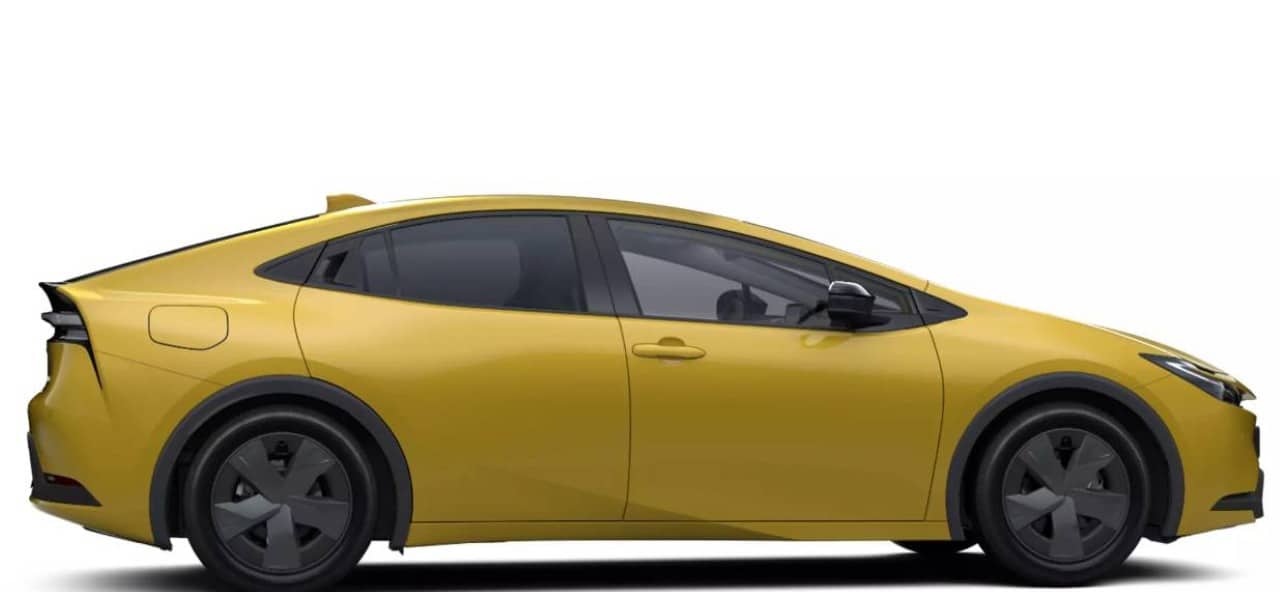
Designing a new seven-seater vehicle based on the current platform requires meticulous design and automotive engineering work. The aesthetics of the fifth generation are marked by an extremely sloped windshield and a low roofline, focused on reducing the drag coefficient.
To accommodate more passengers, designers would need to raise the roof from the central column, creating an elongated station wagon shape without destroying the original aerodynamic efficiency. Technical projections indicate that an ideal model would be approximately 4,615 millimeters long and 1,775 millimeters wide.
The body height would need to reach around 1,575 millimeters to guarantee adequate head space for third-row occupants. Esse Increased proportions alter the car’s center of gravity, requiring a complete recalibration of the rear suspension to avoid instability in high-speed corners.
Furthermore, the extra weight of the elongated body and additional seats requires structural reinforcements in the chassis. The use of ultra-high-strength steels would be mandatory to maintain safety in rear-end collisions, without compromising the total weight of the powertrain and the autonomy of the electrical system.
Reorganization of internal space and battery positioning
Accommodating seven people in a vehicle derived from a compact platform requires creative interior packaging solutions. The modern hybrid system uses lithium-ion batteries, which have greater energy density and are physically more compact than the old nickel-metal-hydride cells used in the past decade.
Automotive engineering suggests that relocating the battery pack under the front seats or integrated into the center tunnel would completely free up the rear floor. Essa structural change would allow the third row of seats to be folded completely flat, creating a level cargo compartment and maximizing the utility of the trunk when the extra seats are not in use by passengers.
Updated hybrid system performance for larger vehicles
The current 2.0-liter mechanical package, combined with new generation electric motors, delivers a combined power significantly higher than previous models, operating with a thermal efficiency of around 40%. Essa Power reserve is essential for a family car, which frequently travels with a maximum capacity of passengers and luggage in the rear compartment. The adoption of an intelligent all-wheel drive system, activated on demand by an independent electric motor positioned on the rear axle, would provide the necessary grip on days of intense rain or on light dirt roads, increasing the vehicle’s active safety. Power management software would need to be meticulously tuned to prioritize torque at low revs, facilitating exits on steep hills and ensuring safe overtaking on single-lane highways. The imperceptible transition between the combustion engine and the purely electric mode would continue to be the project’s great competitive differentiator, guaranteeing acoustic comfort in the cabin and drastically reducing pollutant emissions in congested urban centers, maintaining the ecological essence that established the line of electrified vehicles.
Current automaker options and limitations for large families
While a direct successor does not officially hit the market, consumers analyze the options available at dealerships, coming up against specific limitations of each automotive project. The search for a car that combines all the qualities of the old hybrid station wagon reveals that current models only partially meet the requirements of large families who demand maximum efficiency.
- The station wagon derived from the midsize sedan offers excellent handling and a very practical elongated trunk, but is strictly limited to five occupants, leaving out those who need extra seats.
- Medium-sized family vans provide the desired space for seven or eight people in comfort, but the body shape impairs aerodynamics and increases fuel consumption on long journeys.
- The brand’s best-selling sports utility vehicle has extremely robust and reliable hybrid versions, but its pronounced width and off-road appeal make it less practical for maneuvering in tight spaces.
Industry movement to meet new demands
The automotive market is going through a phase of technological transition where aerodynamic efficiency is once again as important as the available internal space. Full or partial electrification of the global fleet requires cars to cut through the wind with as little drag as possible to maximize battery range and reduce dependence on constant recharging.
In this technical scenario, the elongated station wagon format is re-emerging in design studios as a smart alternative to tall and heavy SUVs. Constant pressure from consumers for a seven-seater vehicle that is low, aerodynamic and highly efficient could dictate automakers’ next steps in developing and adapting their global modular platforms.
…




