
Panic buying: Association of gas stations in Bangladesh proposes night closures and increased security due to fuel crisis

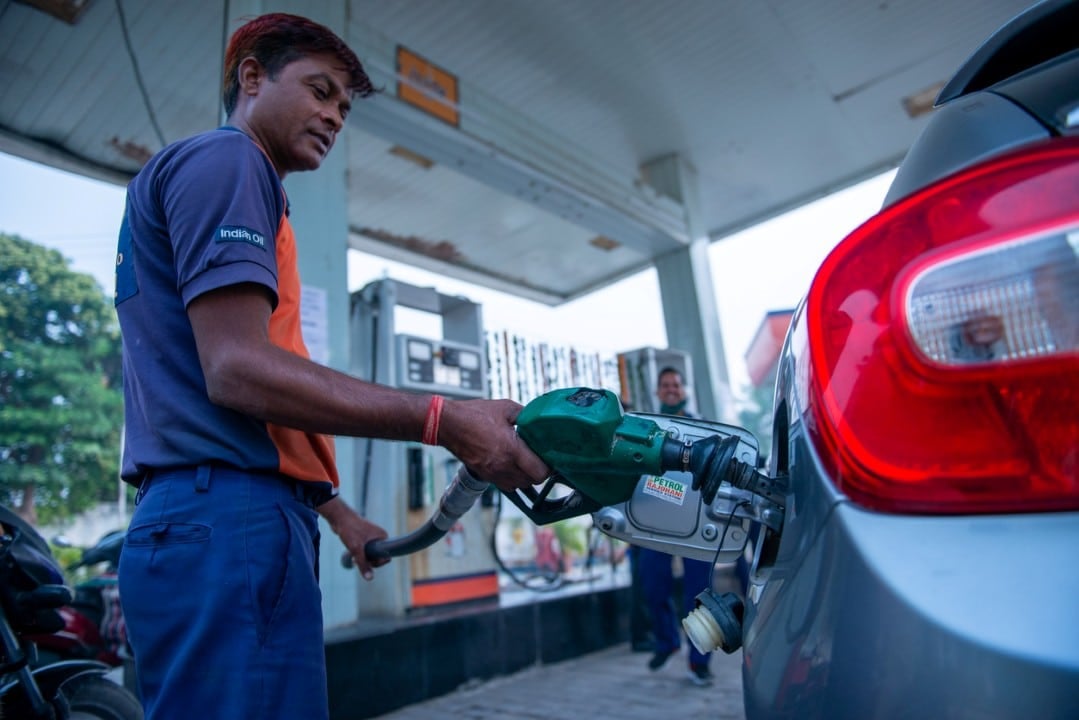
Bangladesh Petroleum Dealers, Distributors, Agents and Petrol Pump Owners Association (BPDDAPPOA) presented on March 31st a series of urgent demands to face the current fuel crisis in the country. Entre the main proposals, the association defends the operation of gas stations during reduced hours, from 7am to 8pm, and the immediate reinforcement of security in all units. The measures aim to mitigate the effects of increasing pressure on positions and public concern.
The initiative comes in a scenario of global instability, with the conflict between Estados Unidos and Israel and the Irã impacting energy flows. Esse context has generated long queues and tensions at gas stations in several regions of Bangladesh, where drivers have to wait for hours to refuel their vehicles. The association warns of the risk of an artificial shortage, worsened by the population’s panic buying.
Cruciais Para Estabilização demands of Abastecimento
During a press conference held at the association’s office in Moghbazar, Dhaka, convener Syed Sazzadul Karim Kabul detailed the demands. Ele emphasized the need to ensure adequate security at fueling stations and a realistic, demand-based fuel supply. The current situation, marked by fears of shortages, requires coordinated and preventive actions.
Kabul also stressed that fuel must be supplied from depots according to the capacity of tankers. Caso Otherwise, transport costs could increase significantly, directly impacting the final price for the consumer. Adequacy of logistics is seen as essential to maintain price stability and avoid additional pressure on the supply chain.
Combating Escassez Artificial and Medidas Governamentais
Despite the queues and widespread apprehension, the government of Bangladesh maintains the position that there is sufficient fuel stock in the country. Ministro of Energia, in fact, assured that there would be no increase in fuel prices in April and that 50,000 tons of octane would arrive in the country in the same month, aiming to reinforce public confidence. Authorities have intensified inspections to curb speculation and illegal storage.
The government, through various operations, has acted against the practice of fuel hoarding by unscrupulous traders. Foram recent cases have been recorded where stations were sealed and managers arrested for irregular storage of large volumes of fuel. Tais actions seek to discourage the formation of artificial stocks that distort the market and intensify the perception of crisis.
Appeals to Consciência Pública and Segurança Reforçada
Syed Sazzadul Karim Kabul made a direct appeal to consumers to remain calm and exercise patience. Ele asked people to avoid unnecessary crowds at gas stations when the tanks are empty, as such behavior only aggravates the situation. The association convener reinforced that panic buying can disorganize the supply chain and create a real problem where there is none.
Security at petrol stations, especially in upazila and district areas, needs to be urgently strengthened. Incidents of extortion and unfounded attacks against gas station owners have been a growing concern. The association welcomed the appointment of “tag officers” by the government, hoping that these officers will help supervise and maintain order and security in sales outlets.
The Dinâmica of the Crise and the Resposta Necessária
The current situation is complex, reflecting not only local distribution problems but also the repercussions of distant geopolitical events. The conflict in Oriente Médio has had a ripple effect on global energy markets, resulting in fluctuations and uncertainty that translate into queues and worries at gas pumps. Effectively managing this crisis requires a multifaceted approach.
The intensification of government monitoring is a crucial point highlighted by the association. Transparency in the supply chain and strict enforcement against illegal stockpiling are essential to restoring public trust and ensuring that available fuel is distributed fairly and efficiently. Collaboration between the private sector and authorities is seen as essential.
Consequences of Acúmulo and Desordem
Fuel hoarding and clutter at stations not only deprive other consumers of an essential resource, but can also create dangerous situations. Safety at fueling stations is a priority, given the risk of incidents amid tension and frustration among drivers. Public awareness of the dangers of disorderly behavior is critical to resolving the crisis.
Authorities have reinforced that maintaining a stable stock is a national priority, and that measures are being taken to ensure the continuous flow of supplies. Confidence in the ability of the government and distributors to manage the situation is vital to demobilize panic buying and allow the market to stabilize naturally.
Proposals for an Cenário Futuro Mais Estável
The gas station association’s proposals, although reactive to the current crisis, also point to a more structured vision of the future for the fuel sector in Bangladesh. Standardizing opening hours can facilitate safety and supply management, while focusing on tanker capacity seeks to optimize logistics and minimize costs. Estas are important discussions for the country’s energy resilience.
Dependence on external energy sources always exposes nations to vulnerabilities in the face of global crises. Bangladesh, when facing this challenge, seeks not only immediate solutions, but also mechanisms that strengthen its supply infrastructure and its ability to respond to future shocks. The current experience will serve as a catalyst for reviewing and improving energy policies.
The Função of the “Tag Officers” and the Responsabilidade Coletiva
The government’s appointment of “tag officers” signals an effort for closer and more effective supervision of fuel distribution. The presence of these officers can deter illegal practices and act as a point of contact for real-time problem solving. Essa measure reinforces the importance of governance and supervision for market stability.
Ultimately, overcoming the fuel crisis in Cada stakeholder has a vital role to play in ensuring that access to fuel remains stable and equitable for all.




