
Recordings reveal that Marlon Brando warned Hollywood about digital actors and AI in the 90s

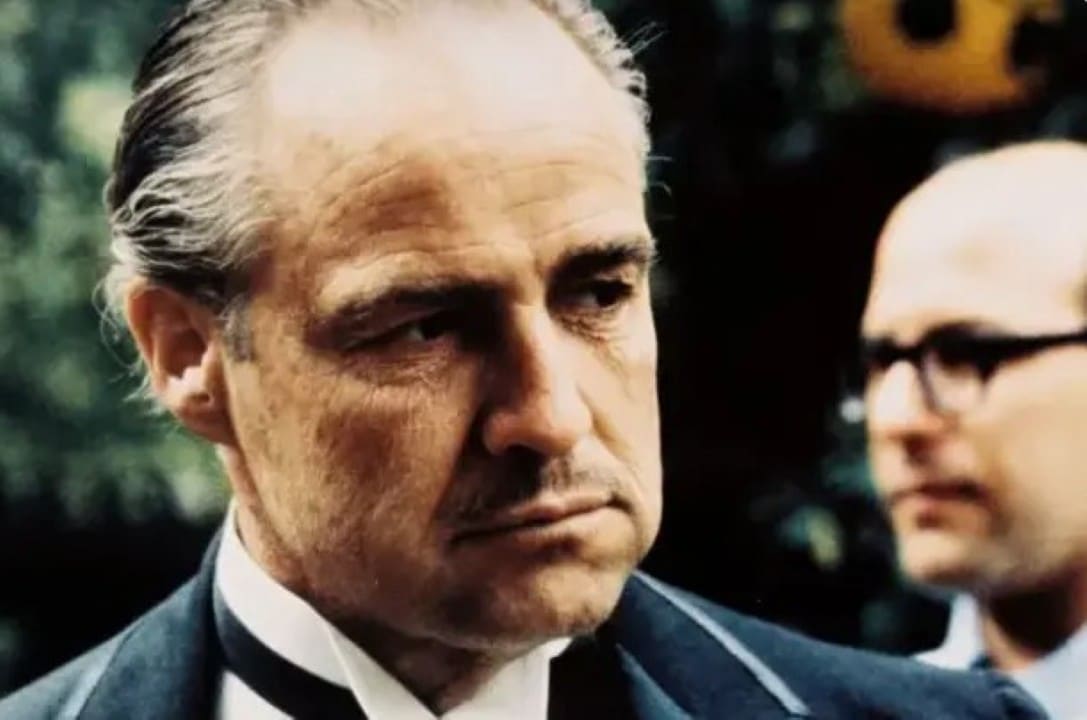
In the late 1990s, actor Marlon Brando recorded statements predicting a radical change in the entertainment industry, stating that the physical presence of acting professionals would become obsolete and that they would exist only inside computers. Esta vision, initially ignored by film studio executives, anticipated today’s technological reality, where artificial intelligence, digital replicas and performance capture dominate big-budget productions. The recent discovery of these audio recordings highlights how the artist understood the trajectory of visual effects decades before the technology reached the maturity necessary to convincingly recreate human beings on screen. The documented material shows a professional deeply interested in the technical behind-the-scenes, actively seeking to understand the fate of his own profession in the face of the advancement of microprocessors.
Currently, the use of digital likenesses represents a central issue in the global audiovisual sector. Estúdios actively negotiate contracts that include specific clauses for scanning and replicating performance professionals, transforming past prediction into a routine legal and business practice.
Contemporary industry practices reflect exactly the warnings made by the cinema veteran:
- Actors sign agreements giving up rights to their digital twins for use in sequels or derivative works.
- Production companies use artificial intelligence to complete unfinished performances, change dialogue in post-production or rejuvenate the main cast.
- Recent labor disputes have established strict new rules for the creation, storage and handling of synthetic media on film sets.
Pioneering vision of the digitalization of cinema
Brando demonstrated a unique curiosity about technological innovation during the last years of his life. Entre During the 1980s and 1990s, he was actively involved in early trials of digital substitution, collaborating with visual effects pioneers to understand how a performance could be separated from the physical body and stored on hard drives.
His experiments involved rudimentary motion capture systems and laser facial scanning. The actor firmly believed that animation software would eventually allow creators to generate complete and complex performances without the need for a human being present on a physical film set, eliminating the dependence on makeup, traditional lighting and even directing actors at the time of recording.
Practical tests with facial scanning technology
During his personal research on the topic, the actor underwent digital modeling sessions with cutting-edge computer graphics experts. Esses technical procedures were intended to create a basic three-dimensional mesh of his face, which could be manipulated by animators at high-performance workstations.
He worked alongside technical directors to test the limits of CGI at the time, seeking to understand the mechanics of rendering. The main objective was to verify whether a computer could replicate the subtle micro-expressions, glances and asymmetrical muscular movements that defined his world-renowned method of acting.
In addition to testing in the studio with expensive equipment, the artist used the incipient internet to debate the subject with the general public. Ele accessed AOL’s chat rooms under pseudonyms to discuss anonymously with strangers about the future of digital identity, the intellectual property of images and the real possibility of actors existing purely as lines of code on a server.
Reaction from the film industry at the time
When Brando shared his predictions with studio heads, executive producers, and professional colleagues, the response was overwhelmingly skeptical and, in many cases, dismissive. Hollywood top brass in the 1990s viewed computer-generated imagery primarily as a technical tool for creating dinosaurs, spaceships, explosions, or virtual backdrops, not as a replacement for the nuanced performance of a Oscar-winning dramatic actor. Executives viewed his ideas about professionals living inside servers as the eccentricities of a veteran star rather than a legitimate business prediction that would change the economics of film. Furthermore, the exorbitant cost and massive rendering time required to generate even a few seconds of realistic human skin, texture, or hair at that time made the concept seem economically unviable for feature films. The industry treated his warnings like science fiction scripts, failing to recognize the Lei of Moore and the exponential growth in processing power that would eventually make his predictions standard operating procedure in modern casting departments.
Parallel with the actors’ strike and current regulations
The exact predicted scenario materialized in full force during the 2023 SAG-AFTRA strike. The actors’ union has placed artificial intelligence at the absolute center of its contract negotiations with major studios, television networks and streaming platforms.
Professionals demanded strict protections against unauthorized cloning of their voices and physical appearances. The fear of replacement by synthetic replicas, especially the complaint that acting actors were being scanned for a one-time payment to be used in perpetuity, led to the longest strike in the category’s history.
The settlement resulting from the strike established mandatory clear consent protocols and ongoing financial compensation for the creation and use of digital twins. Studios now need to explicitly inform actors, and their legal representatives, of their exact intentions regarding algorithmic manipulation before filming begins.
Despite the new rules set out in the collective bargaining agreement, machine learning technology continues to evolve at a rapid pace. The legal system and union contracts struggle daily to keep up with generative AI models that are already capable of creating hyper-realistic videos from simple text commands, once again threatening the foundations of the profession.
Posthumous return to the screen through digital recreation
The practical and definitive application of the vision of Brando will be shown in the comedy film “As Deep as the Grave”, scheduled for theatrical release. The production uses advanced artificial intelligence to resurrect the actor’s image and voice, placing him in a new narrative context more than two decades after his death in 2004. Marlon Brando’s estate officially authorized this digital recreation, granting filmmakers and software engineers unrestricted access to archival footage, isolated audio recordings, and the pioneering three-dimensional scans that he commissioned and paid for during his lifetime.
This film project represents a milestone in posthumous casting, going far beyond simple cameo appearances lasting a few seconds to feature a synthetic actor in a substantial and interactive role. The technology analyzes thousands of hours of your classic performances to replicate your specific vocal cadence, body posture and signature facial tics. The film’s directors can now guide the AI model on set, adjusting the emotional delivery and tone of the digital Brando to meet the specific requirements of each scene in the script, operating exactly as the actor imagined when he said the performances would be entirely generated inside a machine.
Image rights and the future of acting
The continued commercialization of deceased celebrities raises complex ethical questions about posthumous consent, digital inheritance, and original artistic integrity. As artificial intelligence democratizes the technical ability to create digital humans indistinguishable from reality, the entertainment industry faces the ongoing task of balancing technological innovation from studios with the rigorous protection of artists’ individual identity rights.



