
Swedish automaker Volvo takes logistics control of Lynk & Co to expand sales in Europe

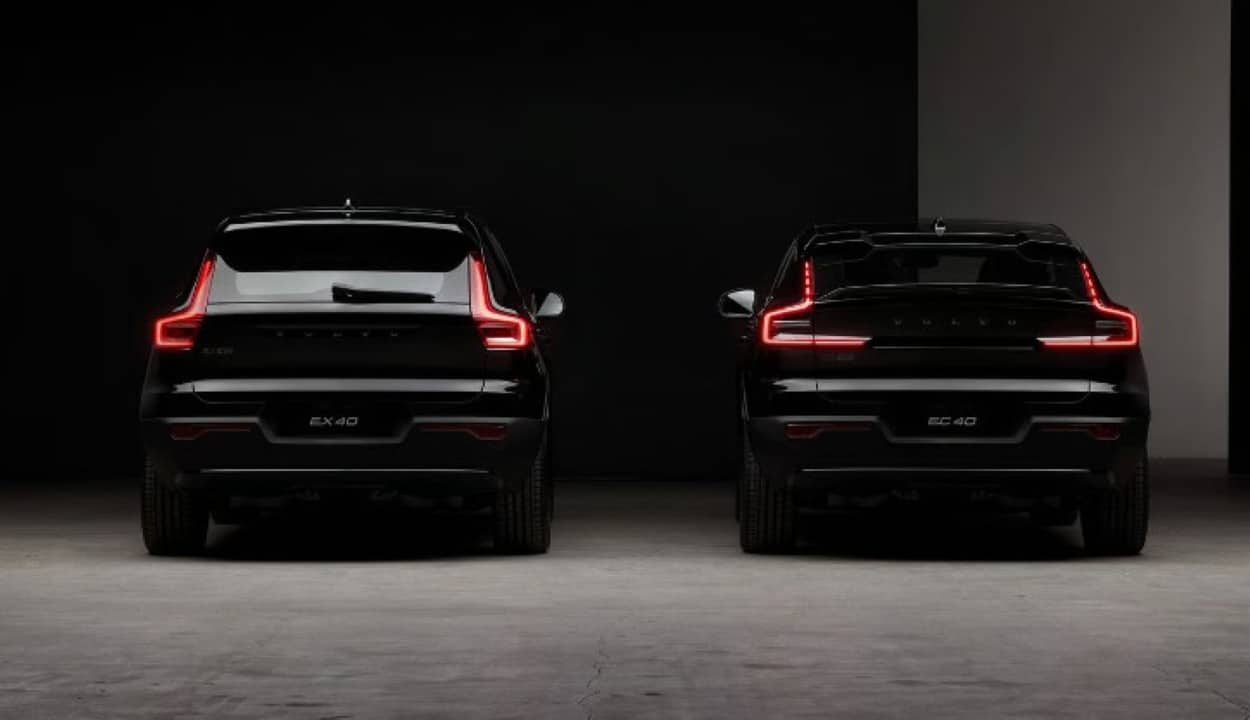
The Swedish car manufacturer Volvo Cars consolidated its strategic position in the European automotive scene by assuming exclusivity in the import and distribution operations of Lynk & Co vehicles. The move centralizes logistics under the umbrella of the European brand, optimizing the arrival of new models on the continent and standardizing service to the end consumer. Ambas the companies belong to the Chinese conglomerate Geely Holding, which seeks to maximize synergy between its subsidiaries to gain operational efficiency.
The decision directly affects the way the Chinese brand’s cars enter one of the most competitive markets in the world. By using the Swedish automaker’s already established infrastructure, the operation eliminates the need to create a logistics network from scratch, reducing costs and accelerating the delivery time of electrified cars.
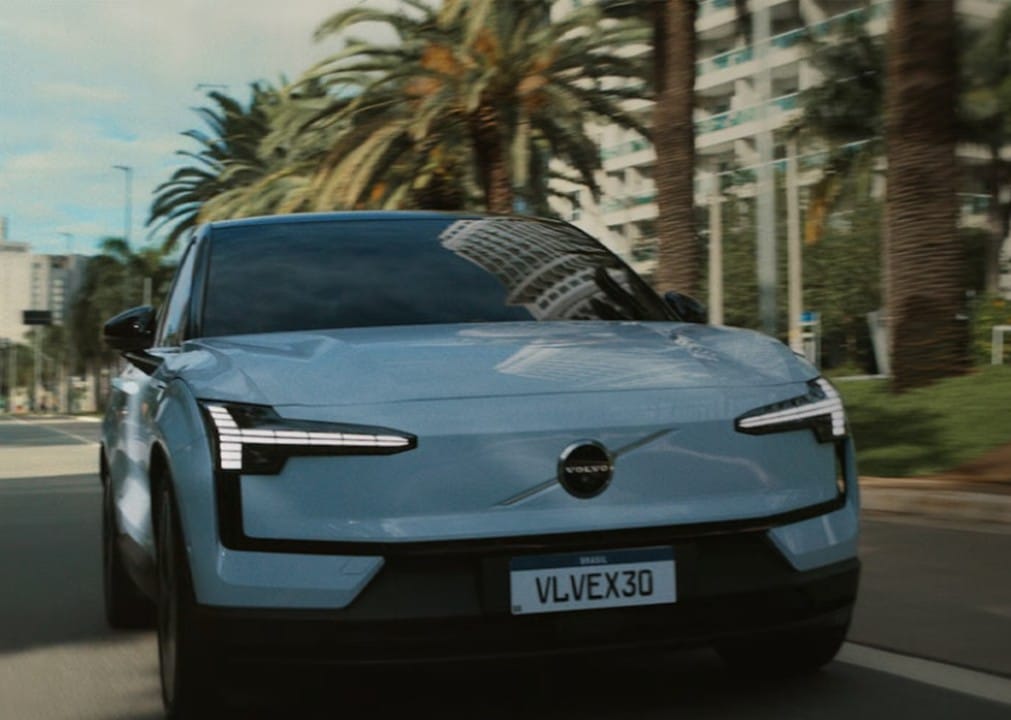
The main pillars of this logistical and commercial integration include the following operational points structured by the companies:
– Utilização from ports and distribution centers already operated by the Swedish manufacturer.
– Padronização for customs clearance and land transport processes.
– Integração of information technology systems for fleet tracking.
– Treinamento set of teams for receiving and preparing new vehicles.
Logistics structure and operational cost reduction
The choice to unify imports under the responsibility of Volvo Cars was driven by the need for efficiency in the European market. The automaker already has a robust distribution network and a consolidated service infrastructure in several countries on the continent, which facilitates the continuous flow of Asian production.
This strategic alignment allowed Lynk & Co to focus its investments on marketing and software development, rather than spending capital on building marshalling yards and hiring independent carriers. The credibility of the Swedish brand, historically associated with security, also transferred a layer of trust to the partner’s operation.
Accelerated expansion in strategic European markets
Since implementing this import partnership, Lynk & Co’s presence has seen continued advancement in Europa. The brand has directed its initial focus towards nations with high adoption of hybrid and electric vehicles, establishing solid operations in Suécia, Holanda, Alemanha, Bélgica and Espanha.
Instead of building large traditional dealerships, the manufacturer chose to open experience centers in high-traffic urban areas. Nesses locations, consumers can see the vehicles up close, while physical delivery and technical preparation are the responsibility of the Swedish partner’s logistics infrastructure.
The rapid acceptance of electrified models in these countries demonstrated the effectiveness of the centralized distribution model. The ability to deliver cars quickly, without the common bottlenecks faced by new Asian brands in Europa, has become a key competitive differentiator for maintaining sales volume.
Subscription model and consumer flexibility
Lynk & Co has gained global notoriety for its distinctive approach to vehicle ownership. The company promotes a mobility ecosystem that prioritizes flexible monthly subscriptions, allowing users to access a car without the long-term financial commitment required in a traditional purchase.
The subscription package includes insurance costs, preventive maintenance and taxes, all managed through a smartphone app. Customers also have the option to sublease their vehicles to other members of the community when they are not using them, practically reducing the monthly subscription cost.
For this innovative business model to work in practice, the technical backend needed to be impeccable and easily accessible. This is where Volvo Cars’s service network plays a vital role, ensuring that subscription cars are serviced quickly and efficiently, minimizing downtime for users.
The combination of a flexible access format with a traditional and reliable technical support base attracted a young, urban audience. Esses Consumers value convenience and sustainability, moving away from the conventional model of purchasing durable goods in favor of on-demand mobility services.
Adaptation and impact on the dealership network
The integration of Lynk & Co vehicles into the European structure generated significant changes in the routine of the Volvo Cars dealership network. Service points underwent physical adaptations and rigorous technical training to receive the new fleet, ensuring that mechanics were able to carry out diagnoses and repairs on the partner brand’s hybrid and electric systems. Essa operational synergy optimized the use of the physical space of the workshops and increased the flow of customers in the establishments, diversifying sources of revenue for local operators without the need to build parallel facilities exclusive to the Chinese automaker.
The customer experience was maintained as an absolute priority throughout the entire logistics and service transition process. The Swedish manufacturer ensured that the standards of quality and hospitality offered to its own customers were extended to owners and subscribers of Lynk & Co. Além maintenance, dealerships began to act as pick-up points for new subscribers and logistical bases for the test drive fleet, demonstrating operational flexibility that maximizes the value of the brand’s physical presence on the European continent and strengthens the capillarity of both companies.
Energy transition and environmental regulations
The European automotive sector is going through a phase of profound transformation, driven by strict environmental legislation that aims to drastically reduce carbon emissions. Nesse energy transition scenario, the alliance between the two Grupo Geely brands offers a considerable tactical advantage. Lynk & Co arrives at Europa with a portfolio made up mainly of plug-in hybrid vehicles and fully electric models, perfectly aligning with the requirements of União Europeia regulatory bodies and the expectations of an increasingly demanding consumer base. Volvo Cars’s ability to import and distribute these vehicles on a large scale and with logistical efficiency allows the conglomerate to gain market share quickly, competing directly with traditional European automakers that are still adapting their assembly lines for full electrification. Shared infrastructure also facilitates reverse logistics, battery recycling and the correct disposal of electronic components, complying with the circular economy guidelines required by local governments and reinforcing companies’ commitment to current standards.
Corporate synergy within Grupo Geely
The centralization of imports reflects Grupo Geely’s management philosophy, which seeks to avoid internal competition and duplication of efforts between its subsidiaries. The sharing of vehicle platforms, software technologies and logistics infrastructure consolidates an interconnected automotive ecosystem that strengthens the Asian conglomerate’s position against global competitors in the European market.
Technical support and quality assurance
Immediate availability of spare parts is one of the biggest challenges for Asian brands entering Europa. With Volvo taking over logistics, Lynk & Co’s component inventory has been integrated into existing distribution centers, ensuring that complex repairs or replacements of natural wear parts are carried out quickly.
Route optimization and maritime transport
The exclusive import process also allowed for the renegotiation of contracts with international maritime transport companies. By consolidating the volume of vehicles from Volvo and Lynk & Co on the same cargo ships, the group managed to reduce the cost of freight per unit, an essential maneuver to maintain the competitiveness of final prices.
At the ports of disembarkation at Europa, pre-delivery inspection teams operate in a unified manner for both brands. Vehicles undergo software testing, security systems verification and aesthetic preparation in the same facilities, ensuring that quality control meets the required standards before the cars go to customers.



