
Trump calls for sending allied ships to the Strait of Hormuz and maintains strong pressure on Iran

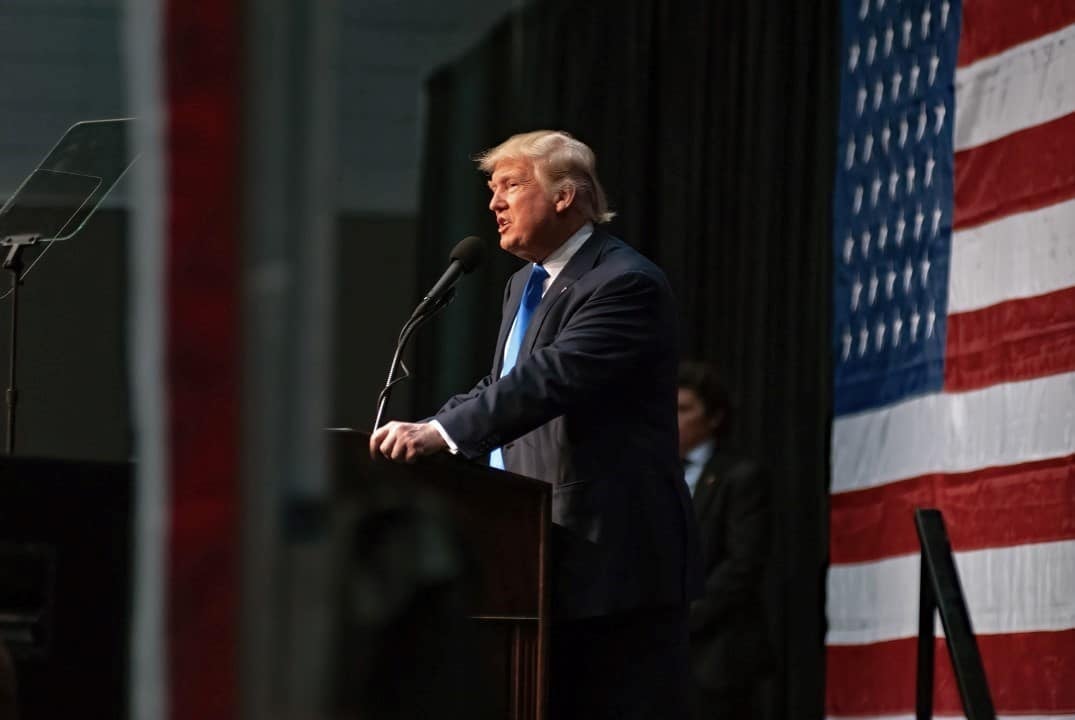
The Estados Unidos government reaffirmed its strict stance on security in Oriente Médio, highlighting that economic and military pressure on the Iranian government must continue uninterrupted. Durante an interview given to the CBS television network News, the president Donald Trump declared that it is not yet the right time to ease sanctions or reduce the tactical presence in the region. The main requirement of Washington is that other nations take direct responsibility for protecting maritime trade routes.
The statement specifically focuses on oil tanker traffic, as the route is vital to global energy supplies and the stability of supply chains. The American leader emphasized that countries highly dependent on oil extracted in Golfo Pérsico need to send their own military resources to guarantee free navigation. The criticism was directed at historical partners who, according to the American administration, are not contributing in proportion to the benefits they obtain.
Nations such as Reino Unido were directly cited for the absence of sending warships to support joint patrol operations at sea. The Estados Unidos government’s view is that the country can no longer act as the sole guarantor of global security, especially in areas where other economic powers extract the greatest commercial and industrial profits.
The strategic importance of the maritime canal
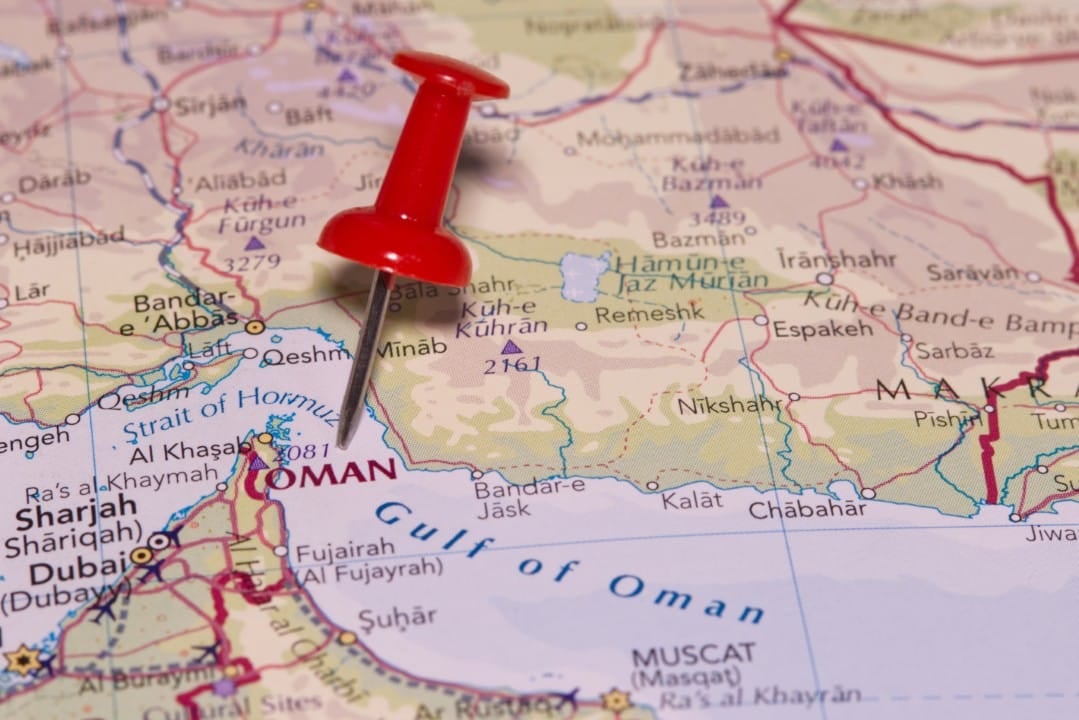
The maritime channel in question represents one of the most critical logistical bottlenecks on the planet for the hydrocarbons and derivatives sector. Diariamente, a massive quantity of barrels of crude oil and liquefied natural gas transit through this narrow passage, connecting the producers of Oriente Médio to the large consumer markets located at Ásia, Europa and América of Norte.
Any instability or threat of closure of this route causes immediate fluctuations in international energy prices and affects global inflation. For this reason, the safety of navigation in the area is treated as a matter of national security by several powers, although the practical execution of escorts has historically fallen to Marinha of the Estados Unidos destroyers and frigates.
Direct billing to European and Asian partners
The new foreign policy directive Washington seeks to change the balance of forces and the distribution of operating costs abroad. The American president made it clear that European and Asian allies must mobilize their own naval fleets to protect the commercial-flagged ships that supply their energy sources and keep their industries running.
This cost-sharing requirement is not an isolated policy, but reflects a broader doctrine of demanding financial and military counterparts from allied nations on several continents. Pentágono expects countries with strong commercial interests in the region to form independent coalitions or substantially reinforce existing joint patrol missions.
The lack of military engagement by rich nations has generated severe diplomatic friction behind the scenes at international summits. The American government argues incisively that the Estados Unidos taxpayer disproportionately finances the stability of routes that directly benefit the economic development of third parties.
Impact of sanctions and the current stance of the Iranian government
The restrictive measures imposed by Estados Unidos over the past few years have severely affected Irã’s economic and operational capacity on the international stage. Segundo the intelligence assessments shared during the interview, Teerã’s military and financial infrastructure is weakened, which reduces the likelihood of a large-scale direct confrontation in the short term.
Despite this scenario of structural weakening, the rhetoric of maximum pressure is maintained by Washington to avoid any attempt to reorganize the opposing forces. The central strategy consists of stifling sources of financing that could be directed to the development of ballistic programs or logistical support for regional armed groups.
The American government assesses that, at the current time, there is no imminent threat of a total blockade of the strait by Iranian naval forces. However, isolated incidents involving the seizure of commercial ships or the harassment of foreign-flagged oil tankers remain a constant concern for major shipping companies.
Maintaining economic and military pressure is seen as an essential negotiating tool for the next diplomatic steps. Washington’s long-term goal is to force the signing of a new agreement that covers not only the nuclear issue but also the country’s military behavior throughout Golfo Pérsico.
Schedule for the withdrawal of American troops from the region
In parallel to the incisive demands made on international allies, the strategic planning of Departamento of Defesa foresees a readjustment of the military contingent positioned in Oriente Médio. The president indicated that the reduction in the number of American soldiers in the region could occur more quickly than initially predicted by security analysts. Existe the concrete possibility that the demobilization schedule will be brought forward by approximately two weeks, strictly depending on security conditions on the ground and the ability to transfer responsibilities to local forces and coalition partners.
This tactical move signals a clear transition from an overt occupation and patrol posture to a model focused on remote monitoring, use of drones and high-precision intelligence operations. American leadership considers that the initial objectives of the deterrence missions have been successfully achieved, allowing the Estados Unidos to reallocate their heavy military resources to other areas of global interest, such as the Indo-Pacific region, provided that oil-dependent countries take over the vacuum left in maritime security.
Diplomatic reactions and the operational role in security
The security dynamics in Oriente Médio involve a complex network of strategic alliances and historical enmities, where intelligence cooperation plays a central role in threat containment operations. The open criticism of European countries, such as Reino Unido, for not sending adequate military support to act in conjunction with American and regional forces, exposes a fracture in the cohesion of traditional Western alliances. Enquanto os Estados Unidos maintain close coordination with local partners to monitor the naval and land activities of hostile forces, European nations often adopt a more cautious stance, seeking to avoid a military escalation that could result in open regional conflict and undermine parallel trade agreements. Essa divergence of tactical approaches forces the American military command to rethink the distribution of its naval fleets and to intensify diplomatic pressure so that mutual defense treaties effectively translate into ships on the water and aircraft in Golfo Pérsico airspace, guaranteeing a unified front against any attempt to interrupt international maritime traffic.
Continuous monitoring of maritime trade routes
Until a new international security architecture is concretely and operationally established, the American military will continue to conduct electronic and naval monitoring of the region. Round-the-clock surveillance through satellites and fast patrol vessels aims to ensure that the flow of cargo ships and oil tankers occurs without significant interruptions, protecting the foundation of the global supply chain.
Immediate repercussions on the international energy market
Statements about the demand for greater foreign participation in the security of Golfo Pérsico quickly echoed on financial trading floors and commodity exchanges around the world. Investidores from the energy sector closely analyze the technical and political capacity of European and Asian nations to quickly mobilize fleets capable of replacing the American presence without generating dangerous security gaps.
Maritime logistics companies also began immediate reviews of their navigation protocols and route assessment. The prospect of a transition in patrol control requires maritime transport insurers to recalculate the risks associated with crossing the strait, which could directly influence international freight costs and the final price of fuel in the coming months.



