

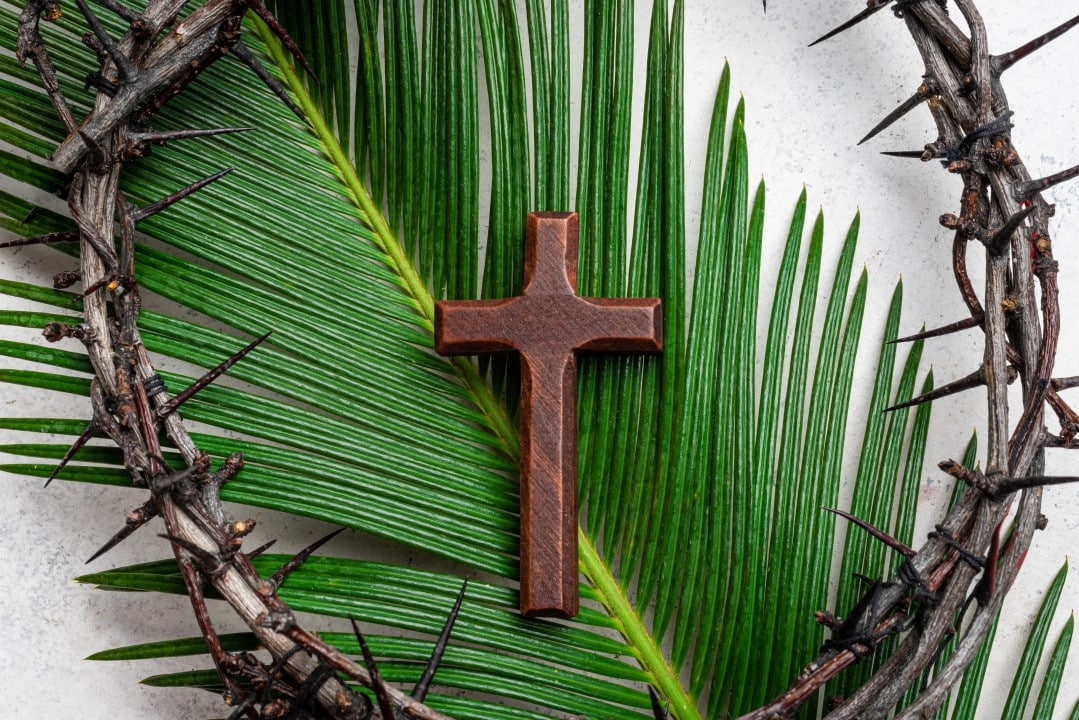
Semana Santa represents the central period of the Christian faith and brings together believers in celebrations that remember the last days of the life of Jesus Cristo. The liturgies follow from the triumphal entry in Jerusalém to the resurrection, with specific rituals that highlight sacrifice, service and victory over death. Catholics participate in masses, processions and moments of prayer that renew hope in the promise of eternal life.
Many believers follow traditions such as the blessing of the palms and fasting on Sexta-Friday Santa. Communities organize activities that encourage reflection on the Easter mysteries. Celebrations take place in parishes around the world and follow the liturgical calendar defined by Igreja Católica.
- Blessing and procession of the palms on the opening Sunday
- Reading of gospels that mark each stage of passion
- Fasting and abstinence observed on a specific day
- Night vigil that precedes the main celebration
Sunday Ramos opens the liturgical day
The Domingo of Ramos inaugurates Semana Santa and commemorates the triumphal entry of Jesus into Jerusalém. The faithful carry blessed branches that symbolize the people’s welcome to Messias. The liturgy remembers how leaves and Palms covered the path, while religious authorities expressed concern about the growing popular support.
Masses on this day include the reading of Paixão according to one of the gospels. Participants relive the contrast between the warm welcome and the events that would follow. Paróquias They distribute bouquets that many take home as a sign of faith.
Monday Santa remembers the visit to Betânia
Segunda-Friday Santa brings the proclamation of Evangelho of São João during mass. Jesus arrives at Betânia six days before Páscoa to meet his friends for the last time. The text highlights Maria’s gesture of anointing Jesus’s feet with expensive perfume, while he responds that she saved that act for the day of her burial.
The faithful meditate on the announcement of the approaching hour. The narrative reinforces the proximity of the passion and the preparation of the disciples. Comunidades use this reading to reflect on gestures of generosity and dedication.
Tuesday Santa intensifies preparations for passion
Terça-Friday Santa does not feature a unique ritual like other days, but the liturgy highlights the growing tension between Jesus and the authorities. The biblical texts show the preparation work for the betrayal and the imminence of the events of Paixão. Fiéis accompany readings that reveal prayers of trust even in the face of predicted abandonment.
Celebrations reinforce the contrast between loyalty and conflict. Paróquias maintain focus on meditating on the gospels that precede Última Ceia. Muitos participants dedicate time to personal prayer on this day.
Wednesday Santa marks processions and reflections
On Friday Quarta Santa receives Procissão from Encontro in different regions, which represents the painful moment between Jesus and Maria. Sacerdotes proclaims Sermão from Sete Palavras and invite the faithful to conversion and penance. Communities organize moments of recollection that prepare the spirit for Santa0.
Activities vary depending on local traditions, but maintain the theme of the coming betrayal. Catholics reflect on the path that leads to the cross. Paróquias encourage participation in liturgies that emphasize the call to inner change.

Thursday Santa institutes Eucharist and foot washing
Quinta Santa begins Tríduo Pascal and celebrates three main events in the life of Jesus. Durante to Última Ceia with the disciples, he institutes Eucaristia by sharing bread and wine as his body and blood, asking that the act be repeated in his memory. Esse moment is the basis for the celebration of mass on Igreja Católica.
Before the meal, Jesus washes the apostles’ feet and demonstrates humility and service. The gesture teaches the commandment of mutual love and service to others. The liturgy recreates the washing of feet in many parishes, where the priest performs the rite in front of the assembly.
Jesus confers authority on the apostles to celebrate the sacrament, which gives rise to the ministerial priesthood in the Christian tradition. The night marks the establishment of central pillars of faith, including Eucaristia and the example of love through service. The faithful participate in masses that include the translation of Santíssimo Sacramento.
Friday Santa remembers passion and death
Sexta, Santa, also known as Paixão, commemorates the crucifixion and death of Jesus Cristo. Catholics observe fasting and abstinence from red meat while dedicating the day to reflecting on sacrifice for humanity. Não Mass is celebrated on this day, and the liturgy focuses on reading the narrative of condemnation, crucifixion and death according to the gospels.
The faithful worship the cross, symbol of salvation, and receive communion consecrated in the mass of Ceia of Senhor. The celebration takes place in an atmosphere of recollection and contemplates the ultimate act of redemption. Paróquias organize Stations of the Cross and moments of prayer that unite the community in memory of the suffering of Cristo.
Saturday Aleluia maintains waiting vigil
The Sábado of Aleluia, or Sábado Santo, represents the time between death on the cross and the resurrection. The liturgy remains silent and the altar remains naked, with the tabernacle empty, to symbolize the absence of Cristo in the tomb. The faithful dedicate the day to prayer and reflection on the Paschal Mystery.
Vigília Pascal begins on Saturday night and is considered the mother of all vigils in the Catholic tradition. The celebration includes the blessing of the new fire and the lighting of the Easter candle, which represents Cristo resurrected. Participantes renew baptismal promises and follow readings that cover the history of salvation.
Sunday Ressurreição celebrates victory over death
Domingo of Ressurreição, known as Domingo of Páscoa, marks the most important day in the Christian calendar. The celebration heralds Jesus’s victory over death and sin, with churches decorated with flowers and lights that symbolize new life. The previous night’s Vigília Pascal culminates in the proclamation of the resurrection and songs of joy.
The faithful gather for masses that convey the message of hope and renewal. The resurrection underlies the entire Christian faith and represents the promise of eternal life for those who believe. Comunidades ends the period of Semana Santa with actions of gratitude and sharing.
Thursday Santa establishes pillars of the Christian faith
Quinta-feira Santa stands out for the institution of Eucaristia and for the example of service through the footwash. Jesus gathers the disciples for the Jewish Passover meal and transforms the moment into a perpetual memorial of their sacrifice. Igreja Católica keeps this memory alive in the daily celebration of mass.
The foot washing rite reinforces the teaching that the older must serve the younger. Sacerdotes repeat the gesture in cathedrals and parishes to remember the humility required of leaders. The faithful leave the celebrations motivated to practice concrete love on a daily basis.
Friday Santa observes day of fasting and worship
Sexta-Friday Santa maintains the tradition of fasting and abstinence as a way of joining the sacrifice of Jesus. The liturgy of Paixão presents texts from the gospels that narrate the judgments, the path to Calvário and death on the cross. The cross is publicly venerated in many temples.
The communion distributed on this day comes from the consecration held on Quinta-Friday Santa. Catholics dedicate time to personal and community prayer. The absence of mass reinforces the unique character of this day of mourning and contemplation.
Vigil Pascal ends waiting time
Vigília Pascal takes place on the night of Sábado of Aleluia and officially introduces the celebration of Páscoa. The new fire is blessed and the Easter candle is lit, a symbol of the light that overcomes darkness. Leituras extensive recall of creation, the exodus and the prophecies that point to Cristo.
Adult baptisms take place in many churches during this celebration. Those present renew the promises of baptism and receive the light of faith. The Eucharist celebrated at the vigil marks the return to Easter joy after the silence of Saturday.
Semana Santa invites Catholics to walk the path of Jesus with attention to the details of each day. Liturgies provide a structure for reflection and active participation in the mysteries of faith. Fiéis from different regions find elements in the rituals that strengthen the community and personal experience of the resurrection.



