
Vivo X300 Ultra smartphone debuts with 200 MP Zeiss lens and professional 4K video recording

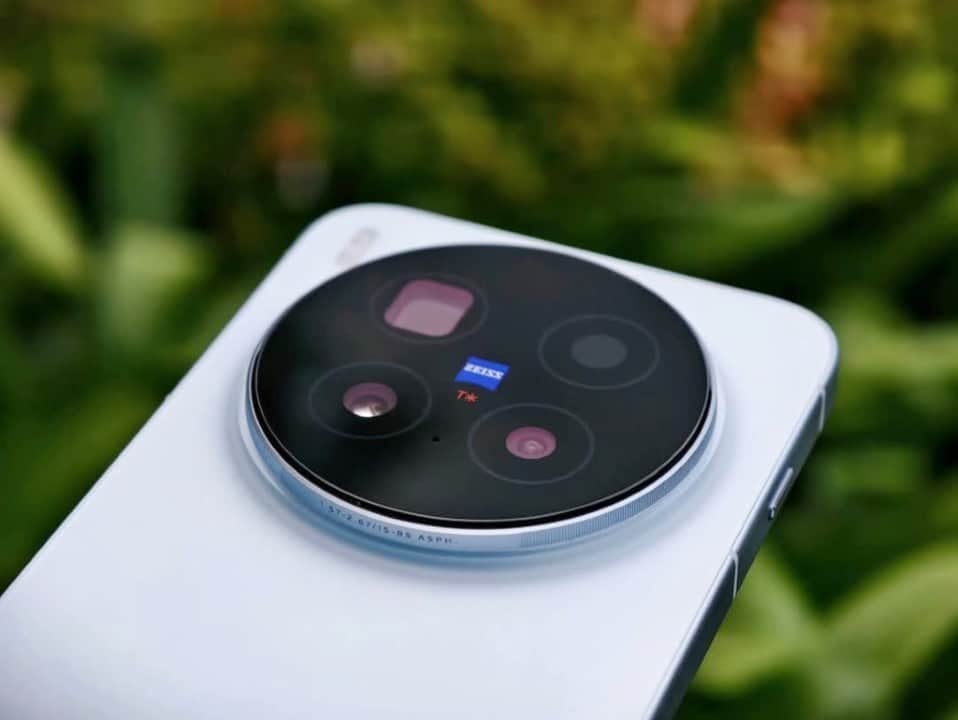
The technology manufacturer officially presented its latest high-performance mobile device this Monday, March 30, 2026, during an event held at China. The equipment hits the market with the proposal to redefine image capture standards in portable devices, integrating state-of-the-art hardware components and strategic partnerships with traditional brands in the optical sector.
The main focus of the project lies in delivering tools that serve both enthusiastic users and professionals in the audiovisual sector. Product engineering prioritized optical stabilization, color fidelity and the ability to process large files in real time, essential elements for producing high-quality content directly on the device.
The main technical characteristics of the device include:
– Sensor main Sony LYT-901 focusing on enhanced light capture.
– Telefoto periscope Samsung HP0 with 3.7x optical zoom.
– Lente ultrawide Sony LYT-818 with 116 degree field of view.
– Suporte optional for 200 mm and 400 mm teleconverter lenses.
This combination of high-resolution sensors allows the equipment to act as a viable alternative to dedicated cameras in various mobility situations. Integration between robust hardware and image processing algorithms ensures consistent results in different lighting scenarios.
Advanced hardware and processing specifications
The fluid functioning of the operating system and editing applications is guaranteed by the presence of the processor Snapdragon 8 Elite Gen 5. Este silicon component represents the latest in the semiconductor industry, offering an architecture optimized to handle intensive tasks, such as rendering ultra-high-resolution videos and applying complex filters in real time.
The equipment’s screen is 6.82 inches and uses LTPO technology, which allows dynamic adjustment of the refresh rate according to the content displayed. Essa feature, combined with 2K+ resolution, provides a clear and accurate visualization of captured materials, facilitating the work of photography directors and content creators who depend on a reliable visual reference at the recording location.
To support the volume of data generated by the high-capacity lenses, the device has up to 16 GB of RAM in its most advanced configurations. Internal storage uses the UFS 4.1 standard, which ensures extremely fast read and write speeds, preventing stuttering or dropped frames when capturing long sequences or transferring files to external drives.
Image capture system developed with Zeiss
The optical architecture of the device was called 3+2 ZEISS Master Lenses Collection, highlighting the direct collaboration with the renowned German lens manufacturer. The 35mm main camera is equipped with a 1/1.12 inch sensor, specifically designed to maximize photon absorption and minimize the occurrence of internal reflections that can detract from the sharpness of photography.
The periscope telephoto module, which also boasts the 200-megapixel mark, incorporates an optical stabilization system with a high CIPA rating. Essa mechanical technology compensates for the natural tremors of the user’s hands, ensuring accurate images even when the maximum optical zoom is activated or in low-light environments, where the exposure time needs to be extended.
The third lens in the rear set is a 14 mm ultrawide, equipped with the third generation of VCS bionic spectrum technology. Este Technological advancement acts directly on color calibration, ensuring that the tones recorded at the edges of the image are as faithful as those captured in the center of the frame, a common challenge in very wide-angle lenses.
The camera control software allows a smooth and imperceptible transition between the different focal lengths available. Artificial intelligence algorithms analyze the scene in fractions of a second to adjust white balance, exposure and focus, delivering a final file that requires less time in post-production and color correction.
Video recording tools for the audiovisual market
The ability to record moving images is one of the pillars of the new equipment, which supports recording in 4K resolution at a rate of 120 frames per second using the 10-bit color profile Log in all its lenses. The adoption of the APV codec represents a significant advance for the integration of smartphones into professional workflows, as it facilitates the direct import of files into the main non-linear editing software on the market, without the need for time-consuming conversions that can degrade the original quality of the material. Videographers also have the ability to apply custom LUTs directly in the camera interface, allowing an exact preview of what the scene will look like after final color treatment.
The audio capture system was designed to match visual excellence, using a matrix made up of four highly sensitive microphones. Essa configuration enables directional sound recording with extreme clarity, isolating the voice of the main subject and attenuating unwanted background noise, which drastically reduces the dependence on external recorders in documentary or street journalism situations. Gimbal-grade rated stabilization, especially efficient in the 85mm module, works in conjunction with sound capture to deliver smooth, immersive videos, even when the operator is walking or following fast action on uneven terrain.
Battery autonomy and internal storage capacity
To sustain the high energy consumption required by bright screens, powerful processors and image sensors working at maximum capacity, the manufacturer implemented a 6600 mAh battery, with capacity variations depending on the specific configuration chosen by the consumer. Esta high-density power cell was developed with new chemical compounds that extend the life of the component and guarantee hours of uninterrupted 4K video recording, eliminating the anxiety common among professionals who frequently need to interrupt their work sessions to recharge the equipment. The advanced thermal management system dissipates heat generated during heavy tasks, preventing overheating that could limit processor performance or force the camera app to quit abruptly. Aliado Additionally, internal storage options reach an impressive 1TB in premium variants, offering plenty of room to save dozens of hours of raw material in uncompressed formats. State-of-the-art 5G connectivity complements this productivity package, allowing massive files to be quickly sent to cloud servers or directly to editing stations, speeding up the process of delivering urgent news and content to digital platforms.
Modular accessories and optical range expansion
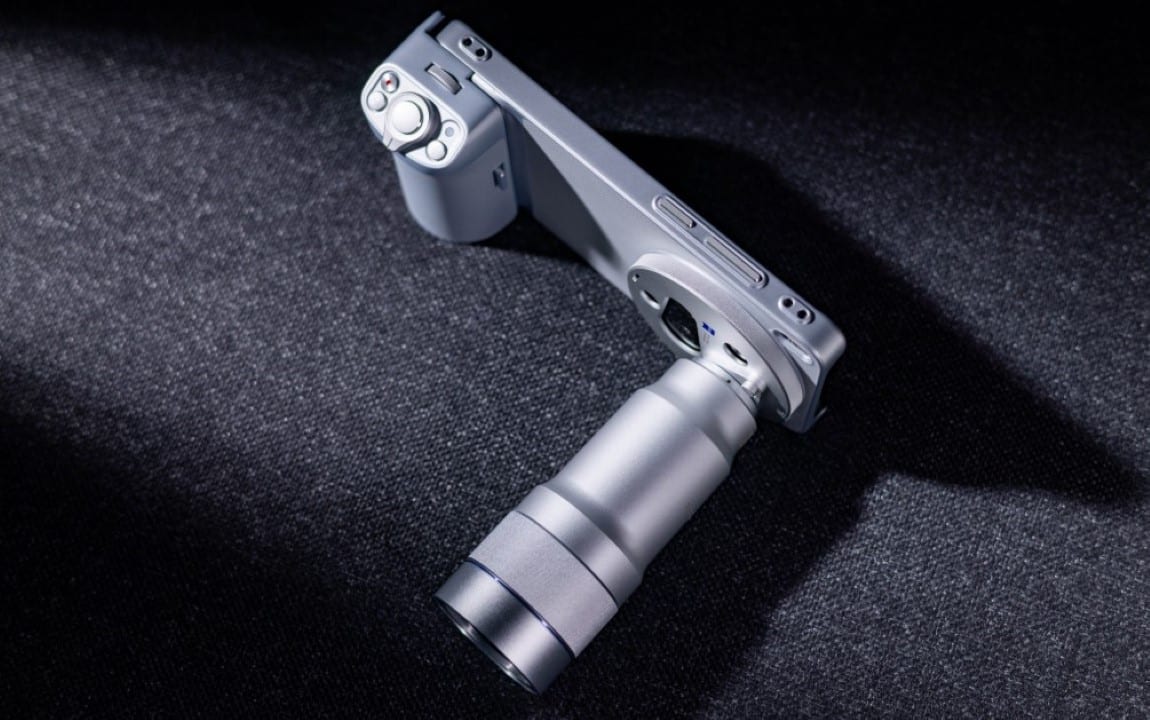
The versatility of the equipment is expanded through an ecosystem of optional accessories developed in partnership with Zeiss. Lentes additional 200 mm and 400 mm teleconverters can be physically attached to the main camera module, multiplying the native optical range without the loss of resolution characteristic of digital zoom.
These modular components are aimed at nature and sports photographers and photojournalists who need to capture details at long distances with absolute precision. The accessories are sold separately or in special packages that include an ergonomic grip, transforming the smartphone’s ergonomics to resemble that of a traditional DSLR camera, with dedicated physical buttons for shooting and exposure control.
Commercial availability and expansion into the global market
The device’s distribution schedule began exclusively in the Chinese market, with the first units arriving in stores shortly after the official announcement. Informações Preliminaries from the technology sector indicate that the manufacturer plans a gradual expansion to other strategic regions throughout the year.
Índia is expected to receive the device from May 2026, following a phased launch strategy. Suggested prices vary according to the memory and storage capacity chosen, keeping the product firmly positioned in the premium category of the telecommunications segment.
Brand positioning in the advanced technology sector
The strategy of integrating cinematic-grade components into a portable chassis reinforces the manufacturer’s commitment to leading the mobile photography niche. The continuous development of optical and processing solutions aims to meet a growing demand for equipment that combines extreme mobility and uncompromising image quality.



