
Beirut suffers attack: Israel announces elimination of senior Hezbollah leader, raising tensions in Lebanon

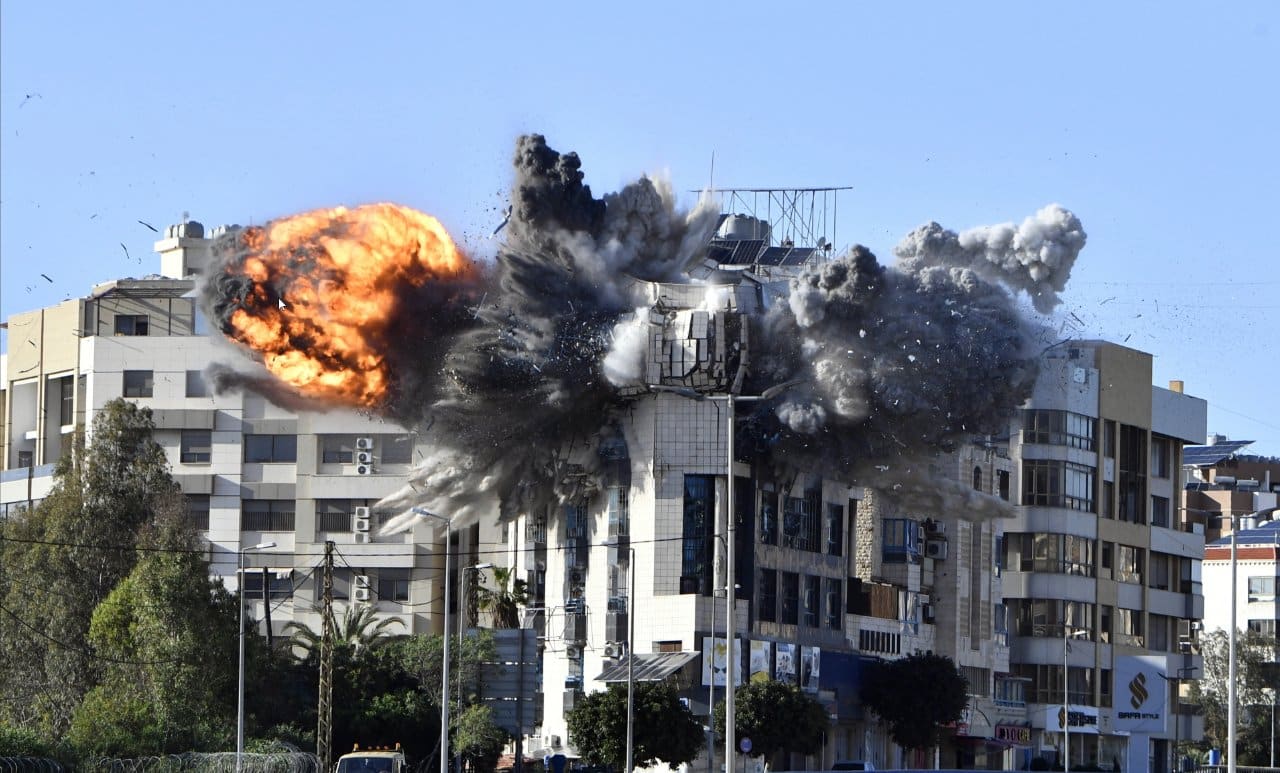
The Forças of Defesa of Israel (IDF) confirmed on Wednesday, April 1, 2026, the death of Hajj Yusuf Ismail Hashem, a senior commander of Hezbollah. The attack, carried out by Israeli naval troops on Beirute, capital of Líbano, is described as a significant blow against the pro-Iran Shia militia.
The action takes place in the midst of the fifth week of an intensified conflict in Oriente Médio, which has drawn Líbano to one of its most volatile fronts. Hashem led the Frente Sul unit of Hezbollah and took office in September 2024, following the death of his predecessor, Ali Karaki, also in an Israeli attack.
The elimination of the commander, according to Israeli authorities, weakens the Hezbollah’s ability to carry out terrorist operations against Israeli civilians and military personnel on the Líbano southern border. Este incident marks a turning point in the escalation of clashes that has characterized the region.
Details of the military operation and the identity of the leader
Forças’s announcement from Defesa from Israel detailed that the attack on Beirute was specifically targeted at Hajj Yusuf Ismail Hashem. Ele was the commander of Frente Sul’s unit. Hezbollah, a strategic position within the organization responsible for planning and executing actions in the region that borders Israel. The naval operation that culminated in his death reinforces the Israeli strategy of targeting the militia leadership, seeking to dismantle its operational structure. The choice of Beirute as the location of the attack demonstrates the breadth of the reach of Israeli operations, which extend beyond the border areas.
Frente Sul, under the command of Hashem, is identified by the Israeli Exército as primarily responsible for a series of “terrorist activities against Israeli civilians” and for “combat operations against IDF soldiers” in the south of Líbano. Há years, and more intensely in recent times, Hashem would have planned thousands of attacks, according to information released by Israel’s forces. Sua’s death therefore represents an effort to curb these actions and mitigate perceived threats on Israel’s northern border.
The escalation of the conflict and the position of Líbano
Líbano has been one of the multiple fronts of the conflict rocking Oriente Médio, especially since March 2, 2026, when Hezbollah intensified its attacks against Israel in retaliation for the death of Iranian Supreme Leader Ali Khamenei. The elimination of Hajj Yusuf Ismail Hashem is notable in that he is the most senior commander of the group to be killed by Israeli forces since the beginning of this phase of the confrontation.
Tension in the region has manifested itself through a series of attacks and counterattacks involving Hezbollah and Israeli forces. The death of a leader of such importance to the Shiite militia tends to further elevate the rhetoric and military action on both sides. Observadores International and governments in the region are closely monitoring the situation, fearing even greater destabilization.
Intensification of attacks on Beirute
Beirut has been the scene of a series of intense nighttime attacks. Relatos of Ministério of Saúde of Líbano indicate that at least nine people died and another 29 were injured in one of the most recent offensives. Esta The escalation of violence has generated great concern among the Lebanese population, who live under the constant threat of new attacks.
This week’s Israeli offensive comes one day after blunt statements by the minister of Defesa of Israel, Israel Katz. The minister stated that his country’s military forces would be prepared to occupy parts of southern Líbano. Tal measure would be implemented after the conclusion of the war against the Hezbollah.
This was the second time government officials from Benjamin Netanyahu mentioned the possibility of a post-conflict occupation. The reiteration of this intention signals a potential change in the dynamics of regional security. The proposal for a “security zone” on Lebanese territory has been met with strong international reactions and criticism.
Israeli occupation plan no Líbano
The minister of the Israeli Defesa, Israel Katz, detailed the post-operation plan in a video released by his office. Ele stated that at the end of the military action, the Forças of Israel (IDF) will establish themselves in a security zone within the Líbano. Essa defensive area would be positioned to protect Israel Against anti-tank missiles.
Katz also stressed that the IDF would maintain security control of the entire region up to the Litani river. Este announcement suggests an intention to establish a long-term military presence in Lebanese territory. The measure aims to guarantee the security of the north of Israel, which has been a constant target of attacks.
One of the most controversial points of the plan is the restriction on the return of hundreds of thousands of displaced Lebanese. Segundo the minister, they would be prevented from returning to their homes until security in the north of Israel was fully guaranteed. Além In addition, Katz mentioned the demolition of “all houses in the localities adjacent to the border in Líbano, following the model of Rafah and Beit Hanoun, in Gaza”.
The withdrawal orders already issued by Israeli Exército for the Lebanese population cover around 15% of the national territory. Essa The situation has generated a huge flow of internally displaced people and exacerbates the already fragile humanitarian situation. The implementation of such measures has the potential to reshape the demographics and geography of the border region.
Humanitarian crisis and population displacement
The prolongation of the conflict in Oriente Médio has generated a serious humanitarian crisis in Líbano, with devastating impacts on the civilian population. Dados released by UNICEF reveal the scale of the tragedy unfolding in the region. Milhares people were directly affected by the violence.
Humanitarian agencies and international organizations have been working to provide assistance to those affected, but the scale of the displacement and the intensity of the fighting complicate efforts. The destruction of infrastructure and food and health insecurity further aggravate the situation, requiring a coordinated and urgent response from the international community to mitigate the suffering of the Lebanese population.



