
Brazilian guideline redefines the use of pens and criteria for obesity beyond BMI

Associação Brasileira to Estudo from Obesidade and Síndrome Metabólica released a document that consolidates updated recommendations for managing the condition. The text brings together 32 guidelines based on recent evidence and reinforces the chronic nature of obesity. Especialistas from different areas contributed to the development of guidelines that aim to guide clinical care throughout the country.
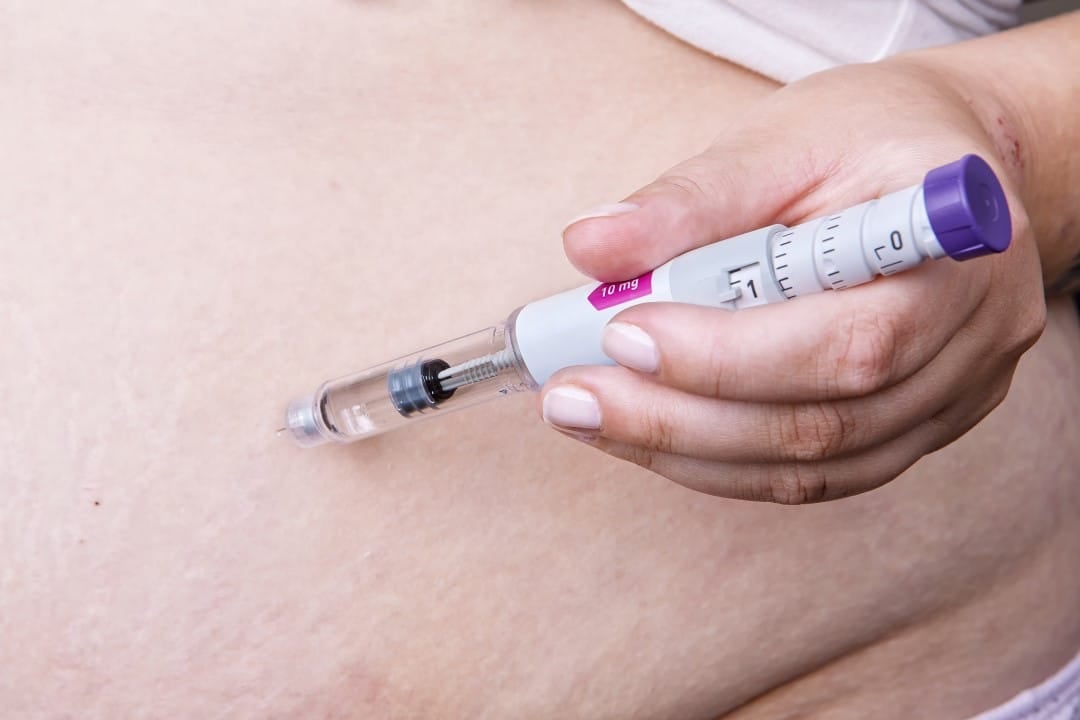
The material updates the indications for the use of medications such as semaglutide and tirzepatide. Ele considers the advancement of recent clinical studies on the efficacy and safety of these therapeutic options. The approach prioritizes the association between drugs and lifestyle changes for more sustainable results.
- Prescription indicated for patients with a BMI equal to or greater than 30
- Or BMI equal to or greater than 27 associated with weight-related comorbidities
- Assessment of waist circumference as an additional relevant criterion
- Target a reduction of at least 10% of body weight in most cases
Indication criteria expand clinical evaluation
The new guideline goes beyond the traditional body mass index as an isolated parameter. Profissionais now incorporate waist circumference measurement to identify risks associated with visceral fat. Essa change allows for a more complete analysis of each patient’s profile before defining treatment.
Endocrinologists, general practitioners and nutritionists participated in the creation of the document. The text emphasizes that the use of medications should not occur in isolation. The combination with nutritional re-education and regular physical activity remains a fundamental pillar of care.
Obesity affects more than 30% of the adult population in the Brasil. Esse data reinforces the need for updated protocols that respond to the growth of the public health problem. The document offers practical support for daily clinical conduct and greater security in decision-making.

Specific recommendations for different patient profiles
The guide details indications for groups with associated conditions such as type 2 diabetes. Ele also addresses cases of cardiovascular disease and fat accumulation in the liver. Nessas situations, medications demonstrate additional potential in reducing metabolic risks when prescribed correctly.
Professionals should prioritize options with greater power and consolidated evidence. The guideline guides the therapeutic choice according to each person’s individual history and health goals. Monitoramento Continuous helps adjust strategy over time.
Responsible use of drugs and warnings about inappropriate practices
The document reinforces the contraindication of products without robust scientific evidence. Especialistas warn of the risk of formulations manipulated without adequate quality control. Substâncias as hormones or diuretics in unauthorized combinations require extra caution on the part of prescribers.
Off-label prescription receives specific guidance to avoid uses without basis in the leaflet. The text lists active ingredients that do not yet have full regulatory approval for the treatment of obesity. Essa posture aims to protect patients’ health against unnecessary exposure.
Multidisciplinary approach gains prominence in managing the condition
Treatment involves a team made up of different specialists depending on individual needs. Nutricionistas provide personalized dietary guidance while doctors monitor clinical aspects. Essa integration seeks more effective results in maintaining reduced weight.
Patients receive support for sustainable changes in daily habits. The practice of physical exercises is a consistent part of the therapeutic plan. The document highlights that these measures contribute to the general improvement of quality of life.
Guidelines seek greater safety in prescribing medications
The guideline consolidates the role of drugs as an important part of the available therapeutic arsenal. Ela updates recommendations in light of studies published in recent years on GLP-1 agonists and other classes. Profissionais gain clear parameters for assessing risks and benefits in each case.
The publication took place on April 1, 2026 and represents progress in the standardization of care. The material serves as a reference for doctors who care for overweight and obese people in different regions. The expectation is that the guidelines will facilitate access to evidence-based treatments.
Focus on metabolic health guides clinical decisions
Experts consider the patient’s complete cardiometabolic context before initiating pharmacological therapies. Essa Integrated vision helps prioritize interventions that bring gains beyond simply numerical weight reduction. The document reinforces obesity as a disease that requires continuous and individualized management.
Patients with prediabetes also find specific recommendations in the text. The association between medications and lifestyle changes can help prevent progression to established diabetes. Regular monitoring allows adjustments according to each individual’s response.
The update reflects the current consensus among medical societies involved in the topic. Ela offers practical tools for day-to-day practice in offices and outpatient clinics. The central objective remains safe and effective care for those living with the condition.



