
Drivers demand new generation of Toyota Prius Alpha with seven seats and hybrid technology

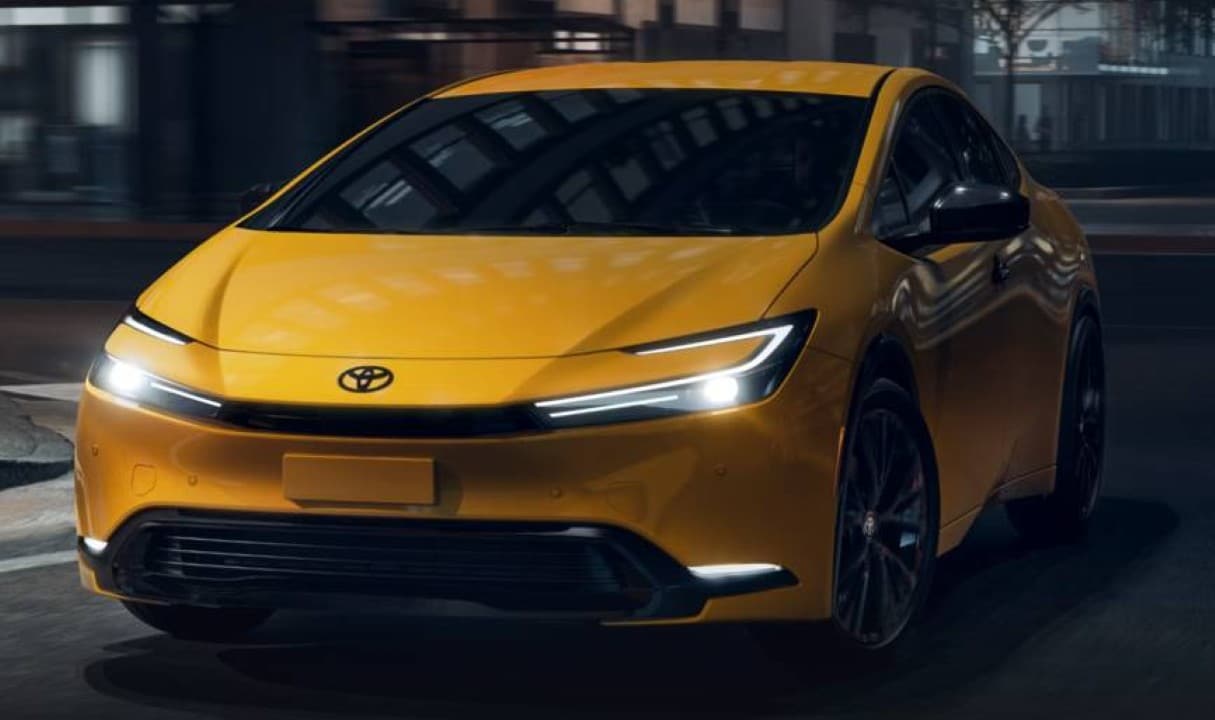
The fifth generation of the world’s most famous hybrid sedan has set a new standard for aerodynamic design and energy efficiency in the global automotive market. The model attracted the attention of experts and consumers by presenting aggressive lines and an optimized drag coefficient to reduce fuel consumption on urban and highway journeys.
Despite the success of the traditional five-seat format, a significant portion of drivers began to express a strong interest in the return of a specific family configuration. Fóruns automotive and social networks record a significant increase in discussions about the need for a vehicle that combines the economy of the electrified system with greater passenger capacity.
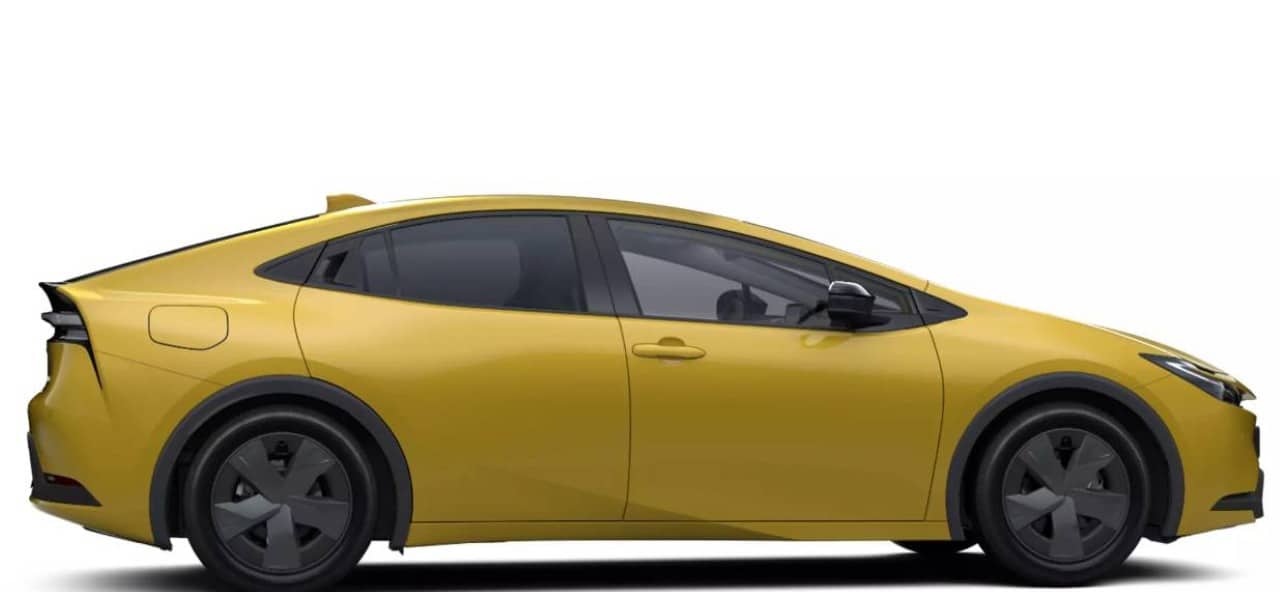
The focus of these claims falls on the old elongated version of the vehicle, which offered space for up to seven occupants in three rows of seats. The absence of a direct replacement for this hybrid station wagon has left a commercial gap that current SUVs cannot fill with the same urban efficiency and maneuverability.
Structural features and daily usability
The architecture of the family version sold in the last decade focused on balancing compact external dimensions with maximum use of the internal cabin. With a length of 4,615 millimeters and a width of 1,775 millimeters, the design maintained a low center of gravity, which guaranteed a driving experience very close to that of a conventional sedan. Essa technical feature avoided the sensation of lateral instability, a problem frequently reported by drivers who switch to minivans or large sports utility vehicles.
The project’s difference lay in the flexibility of the seats and the load configurations available to users. The elongated body at the rear allowed the inclusion of a third row of seats, transforming the car into a versatile option for transporting large families. Especialistas from the automotive sector highlight some strengths of that original design that are still sought after in the current market:
– Ponto slightly elevated hip support to facilitate daily boarding and disembarking.
– Manutenção of legroom for passengers in the last row without compromising the structure.
– Capacidade for folding the rear seats to accommodate large items and luggage.
– Preservação of front aerodynamics to reduce air friction and optimize the battery.
Powertrain engineering and adaptation
The engineering applied to the seven-seater version required a creative solution for the allocation of the components of the electrified propulsion system. Tradicionalmente, the energy packages were installed under the trunk floor, which would make it impossible to install the third row of seats in a safe and comfortable way for the occupants.
To resolve this technical impasse, the manufacturer opted to use extremely compact and efficient lithium-ion batteries. Esses energy storage modules were positioned vertically in the center console, exactly between the front seats, freeing up the entire rear area to accommodate additional passengers and luggage.
Available options and market restrictions
Currently, the automotive market offers some alternatives for those looking for vehicles with greater transport capacity, although many do not fully meet the energy efficiency criteria. Modelos with a station wagon body are praised for their drivability, but often have a luggage compartment considered limited for large family volumes.
On the other hand, traditional minivans provide ample vertical space and unquestionable comfort for occupants on long journeys. The obstacle to these options lies in the high driving dynamics and unfavorable aerodynamic coefficient, which directly impact fuel consumption rates on high-speed road journeys.
Sports utility vehicles dominate global sales and offer robustness for different types of terrain and driving conditions. However, the excessive width and heavy weight of these vehicles pose practical difficulties for maneuvering in tight garages and narrow urban streets, in addition to consuming significantly more energy for daily commuting.
Dynamics of urban regeneration and consumption
The Japanese manufacturer’s combined propulsion system has built a solid reputation based on component durability and low long-term maintenance costs. The integration of the electric motor with the combustion engine was specifically calibrated to deal with the extra weight of the elongated body without losing performance.
This meticulous calibration resulted in consumption averages that defied the standards of the time and that remain highly competitive when compared to current flexible models. The thermal efficiency of the gasoline engine worked in perfect synergy with the instantaneous torque provided by the electrical system during acceleration.
The technology for regenerating kinetic energy during braking was particularly effective in urban journeys characterized by heavy traffic. Constant stopping and starting at traffic lights served as a continuous source of recharging for the compact batteries installed in the vehicle’s center console.
Quiet operation and linear power delivery have earned it a solid base of loyal customers over the years. Esses Consumers are now facing difficulties renewing their personal fleets, as they seek the same smooth driving combined with the aerodynamic profile of a spacious and economical station wagon.
Aerodynamic challenges for new platforms
The automotive industry’s current drive towards extremely fluid and low-slung designs poses significant technical challenges for the development of a new family variant. Manter a reduced aerodynamic drag coefficient on a body designed to accommodate seven people requires complex studies in wind tunnels and advanced computer simulations. The main objective of these analyzes is to avoid excessive increases in energy consumption, ensuring that the vehicle remains faithful to its original proposal of sustainability and operational economy in any condition of use.
The use of modern modular platforms can facilitate this structural adaptation, offering greater torsional rigidity and high levels of passive safety for all occupants. The aggressive aesthetics of the latest generation could be translated into the station wagon format through rising belt lines and integrated optical clusters at the rear. Essa The fusion of sporty visual elements with the functionality of an expanded cabin has the enormous potential to attract consumers who prioritize daily practicality without giving up a bold and contemporary design.
Claims for a diverse product line
Enthusiasm from brand enthusiasts suggests that a new iteration of the familiar model, based on the contemporary visual identity, would find strong immediate commercial demand in dealerships. Propostas sent by consumers and discussed in specialized forums indicate the desire to create a family of vehicles under the same nomenclature, following successful strategies applied to other luxury sedans that were divided into different body types to serve specific niches. The idea of combining the modern, tapered front of the current hybrid with an elongated and highly functional rear captures the attention of a public that needs internal space, but rejects the aesthetic standardization of heavy sports utility vehicles. Essa strategic approach would allow the manufacturer to capitalize on the already established prestige of the name, expanding its market reach to families seeking a smooth and reliable transition to low environmental impact mobility, without relying exclusively on public electrical charging infrastructure that still has flaws in several regions.
Environmental awareness and mobility choices
The growth of ecological awareness has driven families to seek means of transport that reduce their carbon footprint without sacrificing the convenience of long journeys. The seven-seater format meets exactly this demographic profile, which often rules out the adoption of a purely electric vehicle due to the limitations of charging infrastructure on highways far from large urban centers.
Valorization of the electrified station wagon segment
The reassessment of the practical value of station wagons in the global market could signal a changing trend in automotive consumer behavior in the coming months. The excess supply of sports utility vehicles is beginning to open up space for the search for more efficient, dynamic cars with less aerodynamic resistance on the roads.
The concept of a low-profile, boldly designed hybrid minivan proves its continued relevance to contemporary transportation needs. The latent demand for this specific configuration demonstrates that the union of generous interior space and self-charging electrified propulsion technology continues to be a highly desired formula for urban drivers.




