
Expansion of the Curve Pay system on Huawei watches transforms digital payments in Europe

The Asian technology manufacturer has significantly expanded the functionality of its wearable devices on the European continent by establishing native support for a new far-reaching financial application. The measure allows users to carry out financial transactions directly, using the near-field communication technology present in the devices. Essa structural change in the brand’s ecosystem resolves a historical bottleneck faced by consumers, who previously depended on platforms with limited acceptance in physical retail and bureaucratic requirements.
Before this implementation, watch owners had to use a previous system that required advance balance top-ups and had considerable restrictions at various charging terminals spread across cities. The transition to the new platform eliminates the need for prior fund transfers, allowing the direct linking of multiple credit and debit cards from different banking institutions. The purchasing process becomes instantaneous, mirroring the fluidity and practicality of an experience already consolidated on cutting-edge smartphones.
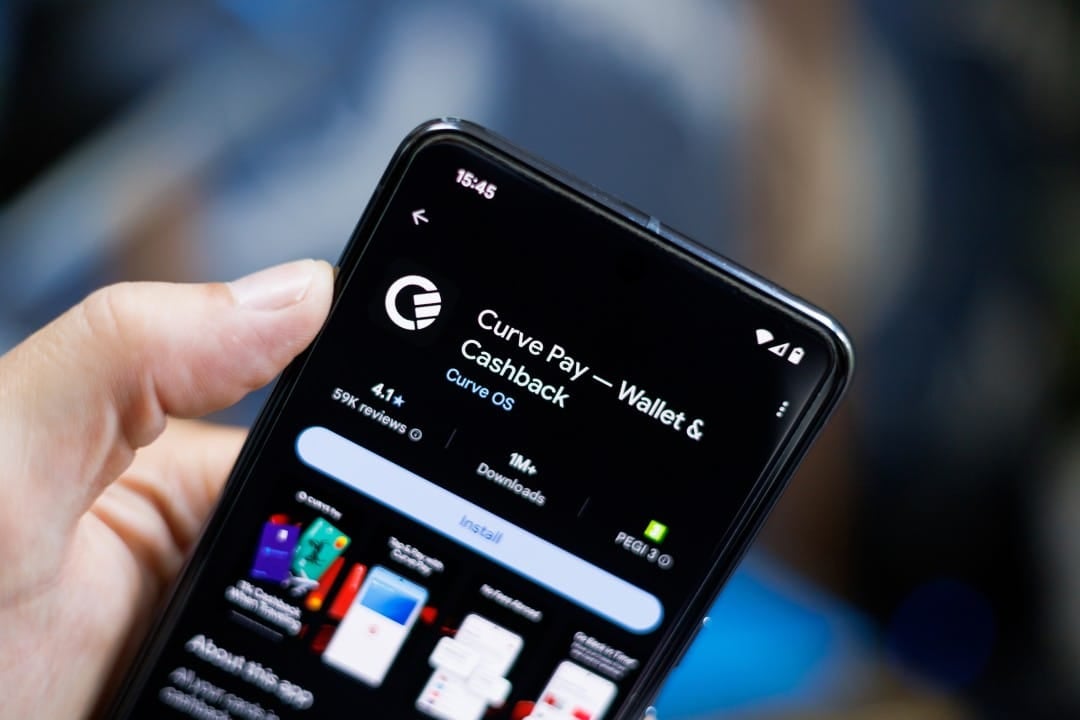
One of the most relevant technical differences of this integration is the total independence of the cell phone during the physical purchase. Consumers can go out to exercise, walk outdoors or carry out daily activities with just the watch on their wrist, ensuring the completion of the financial transaction in any commercial establishment equipped with machines compatible with wireless technology. Essa freedom of movement represents a crucial advance in the usability of everyday equipment.
System architecture and integration with the digital ecosystem
The process of adopting the new financial tool begins in the official application repositories, ensuring accessibility for different consumer profiles and operating systems. The software responsible for managing transactions is available for download in the main online stores on the market, covering different platforms so as not to restrict access. Após installation on the main mobile device, the user pairs via wireless connection with the smart watch, establishing a secure and encrypted channel for transferring sensitive data from bank cards.
Once the initial sync is complete, setup requires the newly installed app to be set as the default digital wallet in the watch’s connectivity options. Essa technical step is essential for the approach hardware to immediately recognize which software should be activated when the wrist is approached to a payment terminal. The system’s architecture was designed to support the vast majority of active bank accounts in the European market, including the possibility of physical withdrawals at ATMs that have an approach reader duly enabled by the banking networks.
Operational advantages and consumer protection protocols
The modernization of mobile payments brings with it a series of features designed to optimize the financial routine of individuals who depend on wearable technology. The application interface on the watch was meticulously adapted for smaller screens, allowing fluid navigation between the different registered cards with just a few taps on the high-resolution display.
To illustrate the technical capabilities implemented in this software update, operational features that transform the user experience are highlighted:
– Adição simultaneous use of multiple cards from different financial institutions in a single digital interface.
– Execução for fast payments at any billing terminal that accepts global approximation technology.
– Bloqueio automatic and pulse removal detection to prevent fraud in case of equipment loss or theft.
– Disponibilidade of optional plans that offer financial returns and extended limits for frequent international travel.
Cybersecurity represents a central pillar of this technological implementation in the consumer market. The wrist removal detection system uses the watch’s biometric sensors to identify whether the device remains in contact with the original owner’s skin. Caso the device is removed, the payment function is immediately deactivated, requiring the insertion of a numeric password on the display to be reactivated, which makes misuse by malicious third parties impossible.
Devices covered by the connectivity update
The release of financial resources covers a significant portion of the manufacturer’s recent portfolio, prioritizing equipment that already has the internal hardware necessary for short-range transmissions. Compatibility is linked to the presence of the specific chip and the execution of the most modern versions of the brand’s proprietary operating system, which manages efficient communication between physical components and applications developed by third parties.
The official list of devices enabled to receive the new digital wallet includes the following high-performance models:
– Huawei Watch GT Runner 2
– Huawei Watch Ultimate 2
– Huawei Watch GT 6
– Huawei Watch GT 5
– Huawei Watch 5
– Huawei Watch Fit 4
The company’s development schedule foresees the continued expansion of this functionality to cover an even larger audience. Engenheiros software works on adapting the source code to ensure that other devices in the catalog also receive support in future update packages, democratizing access to mobile payment tools for a consolidated base of customers loyal to the brand.
Transforming the mobile transaction landscape on the continent
The introduction of this unified digital wallet profoundly changes the Asian manufacturer’s competitive positioning in the competitive European wearable technology market. Historicamente, the region has high adoption rates for contactless payment methods, driven by robust retail infrastructure and the accelerated modernization of public transport systems, which allow payment of tickets directly at train and subway turnstiles. By offering a financial solution that rivals in efficiency and security the native platforms of other Western technology giants, the company eliminates one of the main purchasing barriers for consumers looking for a premium smart watch, but who do not give up the absolute convenience of leaving their physical wallet at home. The ability to aggregate several cards under a single digital umbrella simplifies the financial management of users who frequently travel between countries in the European bloc, mitigating chronic problems with exchange rate conversion rates and the multiplicity of plastics in the wallet. Essa evolution transforms the watch from a simple health monitor to a true daily life management hub.
Hardware autonomy and connection independence
The autonomous functioning of smart watches during financial operations represents a significant technological leap in the engineering of mobile devices. Após the initial validation of banking data, which requires an internet connection via the smartphone to verify identity, security tokens are generated and stored locally on the shielded chip of the watch itself, creating an isolated environment against external intrusions.
This advanced local storage architecture ensures that purchases can be made in environments without any cellular network coverage or wireless internet signal. The only technical requirement for the success of the commercial transaction is that the wearable device has enough battery power to energize the approach antenna at the exact moment of physical contact with the retailer’s machine, ensuring reliability in emergency situations.
Regional activation and expansion procedures
The service enablement process was designed with a focus on the user experience to minimize technological friction, completely eliminating the need to purchase extra accessories or in-person visits to bank branches. Consumidores who use devices with different operating systems can complete the configuration in a few minutes, following the visual and intuitive guidelines presented on the display of the recently updated equipment.
The update is distributed in a staggered and careful manner across European territories, complying with strict server stability protocols and commercial agreements with local financial entities. Standard technical guidance suggests that owners actively monitor the health and connectivity management application on their mobile phone to identify the exact moment the data package is released for secure download in their respective geographic region, thus ensuring immediate access to the new financial facilities.



