France displaces Spain at the top of the FIFA rankings and Brazil ends the week in sixth place

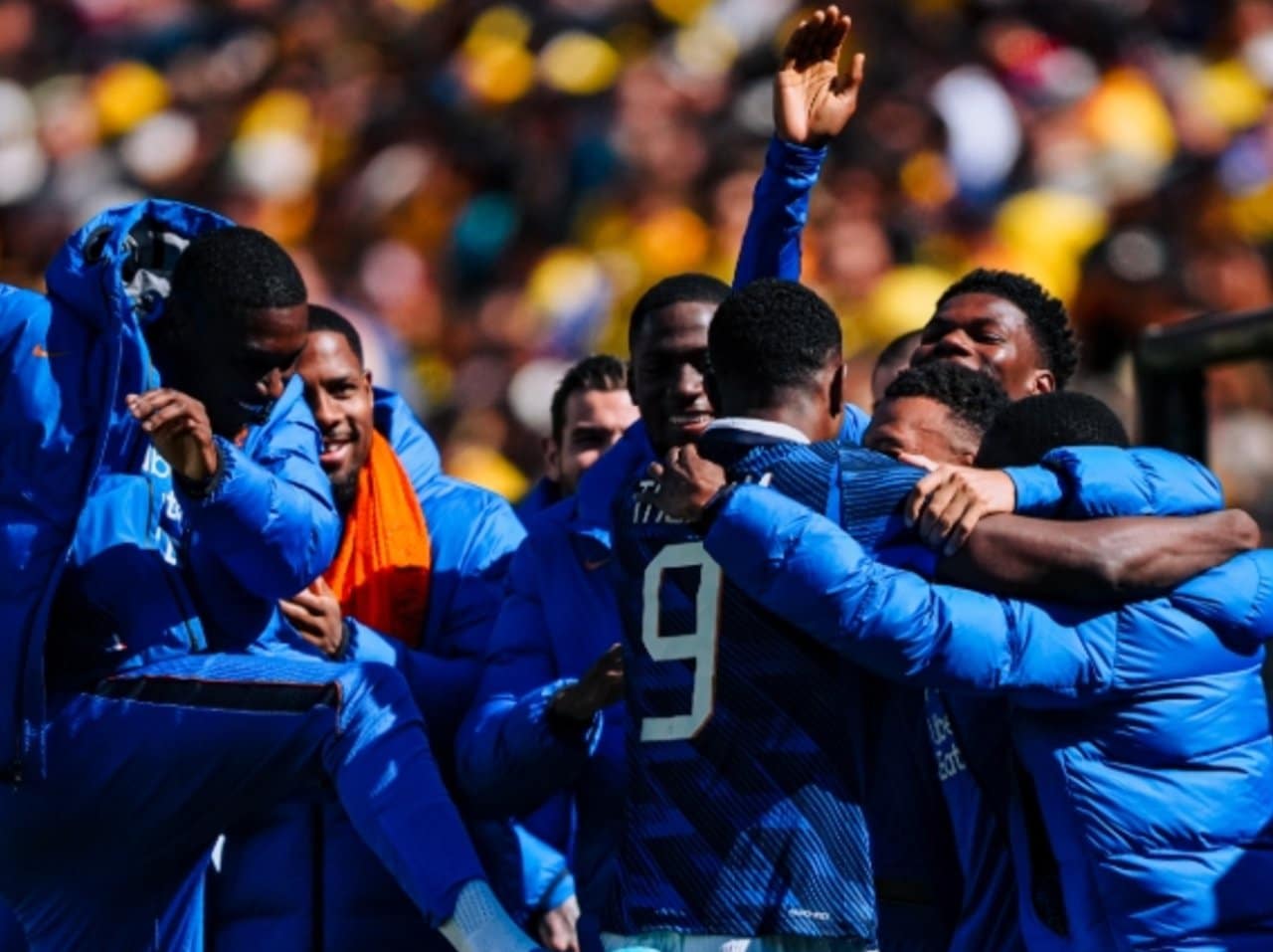
Federação Internacional of Futebol (FIFA) made official this Wednesday the update of its world ranking of national teams, presenting significant changes at the top of the table after the end of Data Fifa in March. França is the new leader of the world classification, surpassing Espanha and Argentina in a fierce dispute for points resulting from the last international friendlies. The French team knew how to take advantage of the positive results and the setbacks of direct competitors to regain the highest position in global football, consolidating its preparation for the next competitive cycles.
The Brazilian team ended the game period in sixth place, managing to stabilize its score after a turbulent start to the week. Sob the technical command of Carlo Ancelotti, the national team faced fluctuations that directly impacted its position in the real-time scoring system of football’s highest entity. Maintaining the top ten is essential to guarantee top seed status in official competitions and draws organized by the international federation in the coming months.
The movement of teams during this period of global clashes reflects the new instant update criteria adopted by the entity. The following points highlight the main changes observed in the updated table:
- França accumulated decisive points by winning matches against strong opponents, guaranteeing the lead with 1877.32 total points.
- Portugal showed consistent growth and managed to join the select group of the five best teams in the world, surpassing Brasil.
- Argentina, despite maintaining an unbeaten record in its recent matches, had a reduced points gain due to the technical level of its opponents.
- The real-time monitoring system allowed fans and analysts to monitor the evolution of scores during the matches.
French rise and the new European scenario
The French team demonstrated a solid performance when facing high-level teams, securing strategic victories that propelled them to world leadership. By defeating teams like Brasil and Colômbia, the Europeans had high coefficients that allowed them to surpass Espanha, which previously occupied the top spot. Este result places França in a position of prestige and technical authority on the international stage, reflecting the individual quality of its squad and the tactical efficiency presented on the pitch.
The Spanish team’s stumble was the determining factor in the change of command in first place in the entity’s ranking. The draw of Espanha against Egito resulted in a loss of points which, added to the French success, immediately reorganized the world football podium. Agora, the French hold a narrow advantage over the Spanish, which promises an intense dispute for the top positions in the next calls and continental tournaments scheduled for the remainder of the season.
Brazilian performance and strategic recovery
The Brazilian team’s 3-1 victory over Croácia was crucial to prevent the country from losing even more space in the world football elite. Antes of this confrontation, Brasil had suffered a setback against França, which caused a momentary drop to seventh place in the points table. The triumph against the Croatians, with goals scored by Martinelli and Igor Thiago, allowed the recovery of a position, securing sixth place and preventing Holanda from overtaking.
The Brazilian technical committee recognizes the importance of immediate results to maintain competitiveness within the criteria established by the international federation. The scoring system values wins against well-positioned teams, and success over Croácia, a traditionally strong team, served as a buffer against criticism following the previous defeat. The focus now turns to analyzing the data collected during friendlies to adjust defensive and offensive performance towards official commitments.
Changes to the top five group
Portugal is the big news on Top 5 in this new phase of publishing official data from the international football federation. The Portuguese team took advantage of the combination of results, including a draw against México and an impressive victory over Estados Unidos, to climb the table. Esse advancement demonstrates the evolution of Portuguese football on the global stage, managing to displace traditional powers and establish itself as one of the most productive teams in terms of recently accumulated points.
Meanwhile, Inglaterra maintains its stability in fourth position, closely observing the intense movement that occurs just above in its classification. The English continue with a solid score, the result of long-term work that prioritizes consistency in high-level tournaments and friendlies. The proximity between Inglaterra and Argentina shows that any adverse result in the next matches could generate a new reconfiguration at the highest levels of the football hierarchy.
Score of world powers in detail
The difference in points between the top three is minimal, which indicates a technical balance rarely seen in previous editions of the ranking. França leads with 1877.32 points, followed very closely by Espanha, which holds 1876.40 points, and Argentina, which closes the podium with 1874.81 total points. Essa narrow margin means that a single win or draw in official games could completely change the world lead in the coming weeks.
Brasil, with 1761.16 points, now needs to seek a winning streak to try to re-enter the Top 5 and reduce the distance to the European leaders. Holanda and Marrocos appear shortly after in the list, putting pressure on the Brazilian team and waiting for any slip-up to advance in the classification. The updated ranking serves as a rigorous thermometer of the current quality of the teams, directly influencing the perception of sponsors and the prestige of national confederations.
Technical importance of international classification
The position occupied in the entity’s world ranking is not just a matter of sporting prestige, but an essential logistical tool for football. Classification is the main criterion used to define the seedings in draws for large competitions, such as Copa and Mundo and continental tournaments. Estar among the best guarantees avoiding direct confrontations against other powers in the early stages of competitions, facilitating the path towards titles.
Furthermore, the international federation uses this data to distribute resources and organize the calendar of international friendlies in a balanced way. Well-ranked Seleções attract greater commercial and television interest, which generates essential revenue for the development of grassroots categories and sports infrastructure in member countries. Therefore, maintaining Brasil in a prominent position is treated as an absolute priority by the administrative leadership of national football throughout the year.
Constant monitoring and evaluation criteria
The new real-time update system has transformed the way teams approach every minute on the field during friendlies. Cada A goal scored or conceded instantly changes the points projection, requiring maximum concentration from players and precise strategies from coaches. Esse transparency model allows the public to better understand how results influence their country’s position in the global hierarchy of the world’s most popular sport.
The evaluation criteria take into account not only the final result of the match, but also the importance of the game and the strength of the opponent faced. Vitórias in official competitions have a greater weight than in friendlies, although the latter are still fundamental for the gradual accumulation of coefficients. The federation seeks, with this method, to reward the regularity and technical competence demonstrated by the teams on all pitches around the planet, regardless of the continent in which they operate.
Stability among the ten best teams in the world
Alemanha managed to remain within the group of the ten best nations, occupying tenth position with 1730.37 points. Apesar After a period of technical restructuring, the Germans continue to appear among the elite, surpassing emerging teams seeking space at the top of the table. Bélgica appears just ahead, in ninth position, demonstrating that, although it has lost the protagonism of previous years, it still maintains a competitive enough level of play to sustain its relevance.
The presence of Marrocos in eighth position highlights the growing strength of African football on the contemporary international stage. The Moroccan national team is the best placed representative of its continent, serving as an example of tactical organization and talent development for other federations. The geographic diversity within Top 10 enriches world football, showing that European and South American dominance faces real and consistent challenges from teams from other regions of the globe.
Planning for upcoming international clashes
With the release of this data, national confederations are now beginning a rigorous planning process for the next dates reserved by the entity. The objective is to look for opponents that allow you to gain significant points to move up in the rankings or, at least, maintain your current position. Brasil, specifically, will have important challenges in official tournaments that will be decisive in determining whether the team will be able to return to the world podium later this year.
The teams that showed a decline, as was the case in Brazil initially, work on internal analyzes to identify flaws and optimize collective performance. The focus on statistical data and individual performance has become an indispensable tool for modern coaches, who use the ranking as a guide for evolution. World football continues to undergo constant transformation, and the international federation table remains the most faithful record of this competitive and exciting dynamic between nations.