Manufacturer Xiaomi launches native password vault in the HyperOS system with audit against data leaks

Electronics manufacturer Xiaomi has started distributing an application dedicated to password management integrated directly into its new operating system. The functionality allows owners of the brand’s smartphones and tablets to store login data, wireless network credentials and access keys in a unified environment protected by advanced encryption.
The tool operates at a system level, offering automatic filling in forms and web pages during consumers’ daily browsing. The feature collects information previously saved in different browsers and online services, centralizing control of credentials in a structured and accessible way at any time.
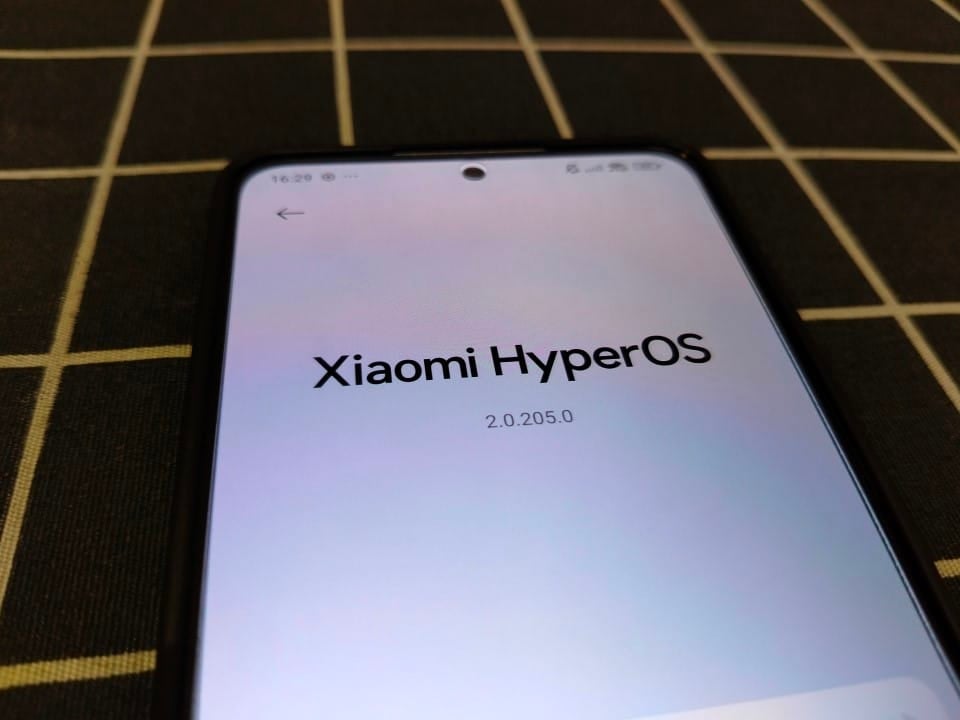
With native implementation, the company seeks to reduce users’ dependence on security solutions developed by third parties. The new feature is part of the package of software updates that accompanies the transition to the Asian company’s latest interface, consolidating a more closed and secure ecosystem.
Context of protection in the mobile device ecosystem
The integration of protection tools directly into the core of operating systems reflects a significant shift in software architecture for mobile devices on a global scale. Nos In recent years, the exponential increase in cyber attacks and massive database leaks have forced hardware manufacturers to rethink the way sensitive information is handled on a daily basis. Instead of delegating the custody of credentials to independent applications, technology companies have started to use hardware-based encryption layers, ensuring that decryption keys remain isolated in dedicated security processors and inaccessible to malicious actors.
This approach mitigates the risks associated with data interception by malicious software and establishes a more robust defense perimeter for the end consumer. The Chinese manufacturer’s strategy follows this global trend in the telecommunications industry, establishing a standard where the convenience of automatic filling does not compromise the integrity of the device owners’ personal information.
The transition to an integrated security model presents fundamental characteristics for daily protection:
– Isolamento of sensitive data in protected areas of the main processor.
– Redução of the attack surface by eliminating the need to grant permissions to external applications.
– Verificação continuous operating system integrity before releasing any saved credentials.
Audit and monitoring mechanisms for improper access
The new application identifies passwords that are weak, reused across multiple services or potentially compromised through advanced internal audit mechanisms. The system performs continuous and silent scans to assess the strength of the user’s stored credentials, operating in the background without affecting the device’s performance.
The platform generates immediate alerts whenever it detects possible data exposures in cases of publicly known breaches on the internet. Information crossing occurs securely, preserving the privacy of the original keys, which never leave the device during the leak checking process.
This proactive functionality helps prevent unauthorized access before serious security issues affect consumers’ digital accounts. Real-time verification suggests improvements and modifications whenever risk patterns are identified, guiding the creation of more complex alphanumeric combinations.
In addition to constant auditing, the manager supports secure storage of modern cryptographic keys and local network authentication data. The feature eliminates the need for repetitive manual typing in frequent connection environments, optimizing access time to routers and corporate systems.
Credential syncing and autofill
Auto-filling of information occurs natively across the entire device interface, ranging from social media applications to e-commerce platforms and banking services. The manager consolidates data linked to the manufacturer’s main account, allowing cloud synchronization to enable access to passwords on multiple devices connected to the same user profile. The company prioritizes executing most of the data processing locally on the device itself, drastically reducing the transmission of sensitive packets over external networks and minimizing the chances of interception during communication with servers.
Users access the application’s control panel through the system settings menu or through the software’s internal search bar, ensuring quick and direct access. The visual interface follows the design standards established by the new version of the operating system, featuring clean graphic elements, readable typography and highly intuitive navigation. The aesthetic consistency facilitates the adoption of the tool by individuals who are already familiar with the platform’s other native features, ensuring a smaller learning curve in the daily management of access and privacy settings.


Data organization and user-facing interface
The application’s main screen displays organized categories for different types of credentials, separating access in a logical and visually pleasing way. Device owners quickly find passwords for financial services, corporate profiles, social networks or entertainment platforms in dedicated sections.
The internal search engine operates with high response speed, delivering accurate results even when there is an extensive volume of records stored in the phone’s memory. The manufacturer implemented manual and automatic organization options to optimize the management of the digital safe, allowing the creation of personalized folders.
The tool also allows the inclusion of secure notes linked to each login entry, in case the user needs to save additional information, such as recovery codes or security questions. Esses Small structural details contribute to a more complete user experience, centralized and adapted to individual needs.
Reduced dependence on third-party applications
Providing a password vault built into the system reduces the need to hire or install external managers, which often require monthly subscriptions. Compatible devices receive the application integrated, eliminating the need for additional downloads from conventional application stores and freeing up storage space.
The centralization of credentials stands out among the security improvements of the software update, promoting a more cohesive digital environment. Relatos initial usage indicates greater fluidity when switching between different online services, eliminating authentication bottlenecks that tend to interrupt browsing and harm productivity.
Distribution of the tool on smartphones and tablets
The expansion of the resource’s availability occurs gradually for various models of the brand’s cell phones, tablets and wearable devices, following a schedule of over-the-air updates. Phased release ensures that servers can handle download demand and allows for quick correction of any instabilities before the software reaches the entire active user base.
Compatibility with new digital authentication standards
The utility offers native support for controlled import and export of databases, making information migration immensely easier for users who are changing devices or abandoning old management platforms. The system maintains full compliance with modern passwordless authentication standards, known in the technology market as passkeys. Essa technology encompasses access keys based on asymmetric encryption, which replace traditional and vulnerable alphanumeric combinations with direct biometric validations, such as fingerprint reading or three-dimensional facial recognition. The evolution of the software strictly follows security guidelines established by international technology consortiums, ensuring that device owners are protected against modern social engineering tactics and mass credential theft.
Technical and operational guidelines for the digital safe
The new manager’s security architecture encompasses a series of technical protocols specifically designed to shield user information against external interception and unauthorized physical access. The company structured the service to operate invisibly during standard browsing, only activating when a legitimate login request is detected by the operating system.
Among the operational specifications detailed by the manufacturer for the operation of the tool, the following protection points stand out:
– Criptografia end to end for all records stored in the internal memory of the mobile device.
– Bloqueio automatic digital safe after periods of prolonged operating system inactivity or screen lock.
– Exigência Strict biometric authentication or master password for viewing sensitive data on the interface.
– Integração directly with the hardware security layer present in modern smartphone processors.
Veja Tambem em News (EN)

Research reveals that parents are unaware of how their children use artificial intelligence

Samsung releases new system update with new features for Galaxy Watch 4 users
Digital retail reduces the value of the Galaxy S25 5G smartphone with bank bonuses and device exchange
Amazon’s wireless CarPlay adapter has a 50% discount and high approval ratings from drivers

Zach Cregger’s new Resident Evil ignores games and focuses on an unprecedented story with new characters

Rumor suggests that Nintendo is preparing a special edition of the Switch 2 with a remake of Ocarina of Time
Apple accelerates production of the iPhone 17e and develops new Air model with dual camera system

Epic Games platform releases twelve high-budget games at no permanent cost for PC users

PlayStation 5 Pro price drop accelerates digital retail sales and eliminates global stocks

New Galaxy Watch 9 firmware appears on server and confirms progress in software development

Apple’s commemorative project tests cell phone with 1.1 millimeter edge and curved screen for 2027