
New Citroën C3 Aircross wins award for best sports utility vehicle in the European market

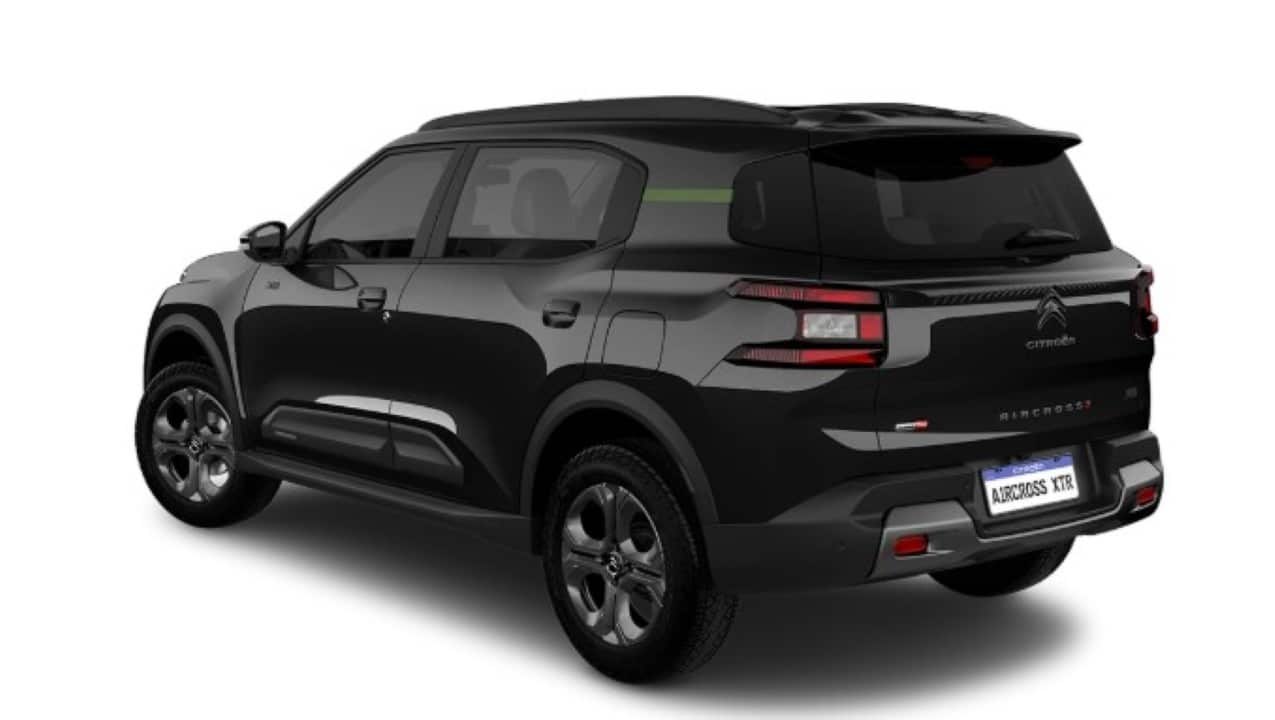
The French automaker secured international recognition by having its latest utility model selected as the big winner in one of the most competitive categories in the automotive sector on the continent. The vehicle was evaluated by a specialized jury made up of journalists and industry experts, who analyzed strict performance, comfort and commercial viability criteria. The award highlights the project’s ability to meet consumers’ daily demands, offering a balanced combination of internal space, embedded technology and acquisition cost. The model surpassed direct competitors by presenting practical solutions for urban mobility and long-distance travel.
Technical evaluation and strict criteria
The selection process involved practical tests in different traffic conditions, simulating the real use of the car on urban roads and high-speed highways. The evaluators focused their analyzes on drivability, engine response and the efficiency of the suspension system during irregular journeys. Stability in tight curves and safety provided to occupants also received high scores during the battery of tests.
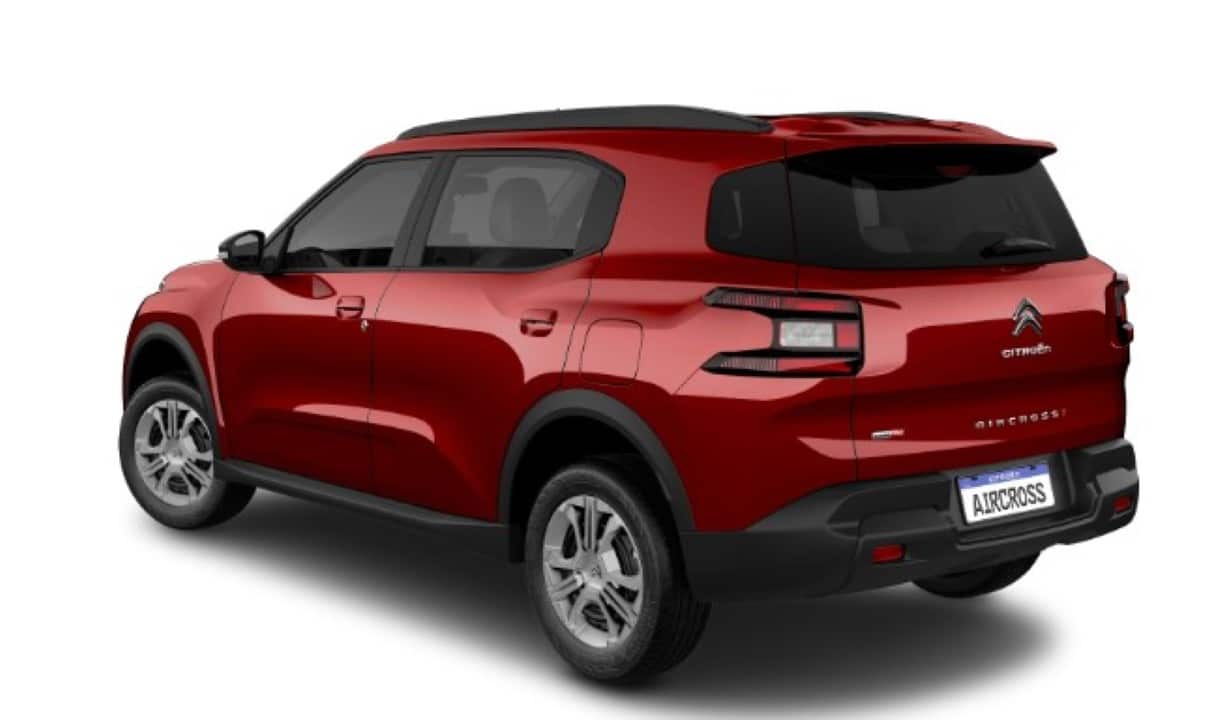
Another key point in winning the award was the relationship between the amount charged at dealerships and the equipment offered as standard. The judging committee considered that the utility vehicle delivers a technological package superior to the average for its price range, democratizing access to advanced driving assistance features. Essa Commercial strategy has proven to be a strong competitive differentiator.
The versatility of the cabin was extensively tested, focusing on its ability to adapt to different user profiles, from families to professionals who need space to transport light loads. The modularity of the rear seats and the ease of folding were praised for their practicality in everyday use.
Internal architecture and comfort on board
The development of the internal space prioritized ergonomics and passenger well-being, using lining materials that reduce fatigue during prolonged journeys. The cabin’s acoustic insulation was improved with the application of additional sound-absorbing blankets, minimizing the intrusion of noise from the engine and the friction between the tires and the asphalt. The automatic climate control system ensures that the ideal temperature is maintained in all rows of seats.
The multimedia center integrated into the main panel offers fast connectivity with smartphones, allowing the mirroring of navigation applications and media playback without the need for cables. The intuitive touchscreen interface reduces driver distraction by concentrating essential commands into easy-to-access, quick-read menus.
Safety and driver assistance systems
The chassis structure was reinforced with ultra-high-strength steel at strategic points, creating a survival cell capable of dissipating kinetic energy in the event of frontal or side collisions. The passive safety package includes multiple airbags distributed throughout the cabin, protecting the occupants’ head, chest and lower limbs. Seat belts have pretensioners and force limiters.
In the field of active safety, the vehicle has autonomous emergency braking, which uses radar sensors and high-resolution cameras to detect obstacles, pedestrians and cyclists on the road. The system issues visual and audible alerts before automatically applying the brakes, reducing the risk of accidents at intersections and busy roads.
The lane keeping assistant works directly on the electric steering, applying small corrections to the steering wheel if the driver deviates from the trajectory without activating the indicator arrows. Essa technology works in conjunction with blind spot monitoring, which warns of the presence of other vehicles in the side lanes during overtaking maneuvers.
To facilitate parking maneuvers in tight spaces, the model is equipped with front and rear proximity sensors, as well as a reversing camera with dynamic guides. The hill start assistant prevents the car from rolling back on inclines, keeping the brakes applied for a few seconds until the accelerator is pressed.
Mechanical efficiency and engine options
The range of engines offered meets the stringent pollutant emissions standards in force on the European continent, combining agile performance with low fuel consumption. Versions equipped with mild hybrid technology use a small auxiliary electric motor that provides additional torque when accelerating and recovers kinetic energy when braking. Esse 48-volt electrical system powers the vehicle’s peripheral components, relieving the load on the combustion engine and resulting in smoother, quieter operation in urban traffic. The multi-speed automatic transmission was calibrated to perform quick and imperceptible shifts, keeping the engine speed always in the ideal range of energy efficiency.
The engineering applied to the suspension adopts shock absorbers with progressive hydraulic stops, an exclusive technology that filters imperfections in the road extremely effectively, providing the feeling of floating on the asphalt. The adjustment of the mechanical set manages to balance the softness necessary for daily comfort with the firmness required to keep the body stable at cruising speeds. The high height in relation to the ground protects the lower part of the floor against impacts in ditches and speed bumps, while the approach and departure angles make it easier to overcome urban obstacles without damaging the front and rear bumpers.
External design and visual identity
The aesthetics of the utility vehicle reflect the brand’s new visual language, characterized by robust lines and striking creases that convey an imposing stance on the streets. The front features an optical assembly divided into two levels, with LED daytime running lights at the top and main headlights integrated into the bumper, ensuring excellent nighttime lighting and an unmistakable light signature. The widened wheel arches house high-profile tires, which contribute to shock absorption and reinforce the model’s adventurous appearance. Barras Roof longitudinals not only add aesthetic value, but also offer real functionality for attaching extra luggage racks or sports equipment. The exterior color palette offers two-tone paint options, allowing the roof to be customized in contrast to the body, a detail highly valued by consumers seeking exclusivity. The plastic protective elements at the base of the doors and wheel arches prevent small scratches during daily use and complete the characteristic look of vehicles in this category, combining form and function in a harmonious and modern way.
Positioning in the automotive market
Winning this award reinforces the manufacturer’s strategy of expanding its participation in the fastest growing segment globally, attracting customers looking to transition from compact hatchbacks to taller, more spacious models. The dealership network has already registered a significant increase in the volume of scheduled test drives, driven by the visibility generated by the international award.
Technical details and factory innovations
The assembly line responsible for producing the vehicle implemented new automation processes to guarantee the high quality standard required by the market. Inspeções rigorous procedures are carried out at each stage of manufacturing, from the stamping of the steel sheets to the final check of the electronic systems.
Among the main technical attributes that consolidated the model’s victory, the following factory-integrated components stand out:
- Infotainment system with high definition screen and fast response processor.
- Seats with variable density foam for optimized lumbar support.
- Recalibrated suspension set to support maximum load without loss of stability.
- Intelligent engine thermal management to reduce consumption on short journeys.



