
Portuguese in Berlin report double disillusionment with Portugal and new life in Germany


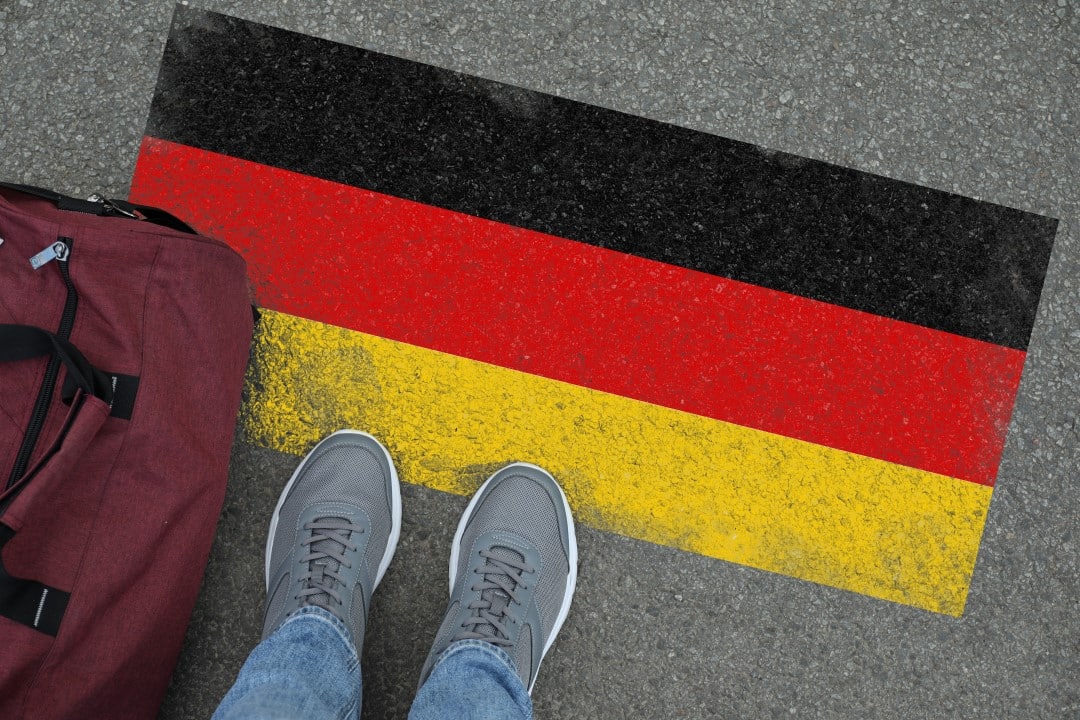
In Berlim, a building designed by Portuguese architect Álvaro Siza displays the inscription Bonjour Tristesse on its facade, which years later gained a more direct complement with the words Bitte Lebn, or please live. Essa message overlay reflects the experiences of many Portuguese who migrated to the German city during and after the troika crisis. Eles left in search of better working conditions and remuneration, but now face a reality divided between the country of origin and the host country.
The generation that left Portugal with green receipts and postponed projects found in Berlim the possibility of valuing professional qualifications. However, adaptation involved learning a new language quickly, dealing with long winters and noticing changes in one’s identity. Muitos report that the starting salary at Portugal, often in the region of 800 euros, increased to amounts close to 1,600 euros or more when they reached Alemanha.
- Several emigrants highlight altered racial perceptions in different contexts.
- Others mention freedom from traditional social pressures about marriage and children.
- The majority maintain emotional ties with Portugal, although the return generates mixed feelings.
This migration is part of a flow that, according to recent data from Observatório and Emigração, has remained significant in recent years, with Alemanha registering an increase in the number of Portuguese entries in 2024 compared to the previous year.
Pedro exchanged Portugal for better salaries and faced a new perception of himself
Pedro Monterroso decided to leave Portugal after feeling limited by low salaries of around 800 euros per month. Upon reaching Berlim, he quickly doubled this remuneration to around 1,600 euros, which represented an immediate gain in purchasing power and financial stability. The move allowed him to access opportunities in the qualified job market that he could not find in his country of origin.
However, the emigrant noticed striking cultural differences in his first contacts. Em Portugal, he saw himself as part of the majority, but in Berlim he began to be considered a person of color, which changed the way he interacts with the social and professional environment. Essa identity transition occurred in parallel with the need to adapt to more demanding work routines and a climate that prolongs the cold months.
The experience of Pedro illustrates how emigration for economic reasons can bring concrete benefits in terms of remuneration, but also unexpected confrontations with questions of belonging. Ele describes the early days as marked by fits and starts, a period of adjustment that required resilience to overcome linguistic and cultural barriers. Muitos other Portuguese share similar stories about the beginning of life in the German capital.
Joana sought professional and personal autonomy away from Portuguese pressure
Joana Seabra left Porto with the conviction that she did not want to continue producing art only for a restricted circle of wealthy clients in the city. The decision to emigrate gained strength after academic experiences that also did not satisfy her, such as classes in Coimbra focused on areas far from her creative interests. Ela ended up traveling alone to Berlim, even after her boyfriend suggested a joint trip.
At Alemanha, Joana he achieved a monthly salary of around 3,000 euros, which gave him greater financial and professional independence. In the new context, she realized that social expectations about marriage or motherhood are less intense, allowing her to focus on her career without the weight of traditional judgments. Essa freedom represents a clear contrast to the reality he left behind in Portugal.
Despite the gains, the temporary return to the country of origin became more difficult over time. Joana claims to feel Portuguese, but no longer completely identifies with the version of herself that lived in Portugal, which generates a progressive emotional distance. Adapting to Berlin life involved learning the local language in a hurry and dealing with differences in the daily rhythm and interpersonal relationships.
Challenges of integration in Berlim for qualified Portuguese emigrants
Many qualified Portuguese people who reach Berlim initially face a relative devaluation of their skills, where specialized work may be remunerated less generously than expected. Invernos long and gray languages test emotional resilience, while accelerated learning of German becomes essential for everyday professional and social life. Essas Barriers contribute to a feeling of lives still in transition.
The city offers, on the other hand, a dynamic ecosystem for creatives and professionals from different areas, with greater openness to innovative projects and less hierarchical rigidity in some sectors. Portugueses as well as Pedro and Joana report that access to international networks and the possibility of growth partially compensate for initial integration difficulties. The presence of a Portuguese-speaking community helps to smooth the process, although it does not completely eliminate the sense of division between two worlds.
The contrast between the perception of oneself in Portugal and Alemanha appears frequently in reports. Fatores such as appearance, accent or national origin gain new meanings in the multicultural context of Berlin, which requires a constant reevaluation of identity. Essa dynamics is part of the experience of a generation marked by the economic crisis that led thousands to emigrate.
Experiences divided between the country he left and the one he welcomed
The trilogy of reports on Portuguese people in Berlim reveals trajectories that combine professional achievements with deep personal questions. Muitos maintain family and emotional ties in Portugal, but the definitive return appears as a complex option that involves both relief and new frustrations. Adapting to German life requires constant adjustments in habits, expectations and forms of communication.
In Berlim, the possibility of developing creative or technical projects with greater autonomy attracted professionals who felt limited by more rigid structures in Portugal. Joana, for example, found space to explore artistic paths without the market restrictions that they knew in Porto. Pedro values the remuneration that allows financial planning to medium term, something that I considered difficult in the previous salary context.
These narratives highlight how recent emigration to Alemanha differs from previous vacancies because it involves greater qualifications and motivations linked to personal and professional fulfillment. The flow to Berlim continues to attract Portuguese people looking for opportunities, even with the recognition that change brings significant emotional costs.
Portuguese community maintains an active presence in the German capital
The German capital is home to a network of Portuguese emigrants who support each other in the installation phase and in maintaining cultural customs. Restaurantes, events and informal groups help preserve elements of the Portuguese identity while building a new local routine. Essa duality appears as a common thread in the stories collected over the years.
Professionals like Pedro and Joana represent a more recent migration profile, with higher education and career expectations that go beyond basic subsistence. Eles contribute to dynamic sectors of the Berlin economy, bringing skills that enrich the city’s multicultural environment. At the same time, they carry reflections on what was left behind and what is being built in the present.
The experience accumulated by these emigrants serves as a reference for others considering the same path. The reports emphasize the importance of linguistic and mental preparation to deal with cultural and climatic differences. Berlim continues to welcome Portuguese people looking to start over, in a dynamic that mixes concrete opportunities with internal negotiations about belonging and the future.



