
Samsung Galaxy S26 Ultra battery test redefines autonomy in the premium cell phone market

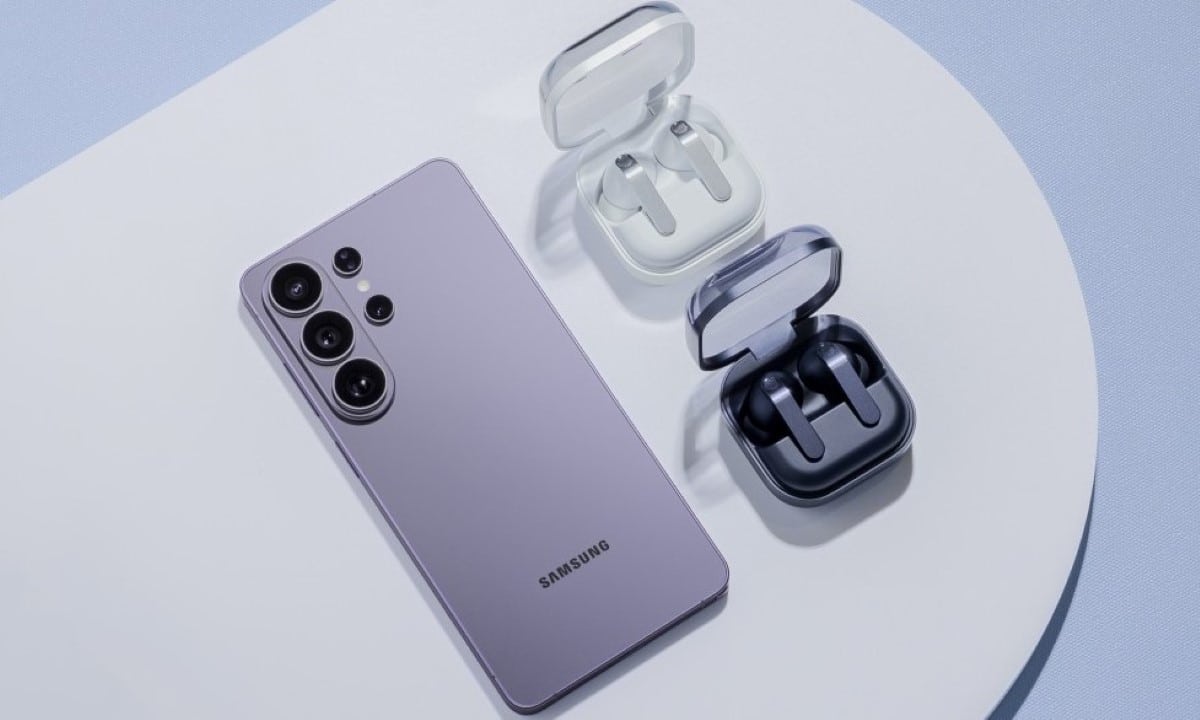
Power autonomy has become the determining factor for choosing high-performance mobile devices in the global technology market. Consumidores require devices capable of supporting long work and entertainment days without the need for intermediate recharges. Efficient load management dictates the development rules for the sector’s main manufacturers.
The launch of the Samsung Galaxy S26 Ultra sets a new level of demand for the smartphone industry. Avaliações Recent techniques demonstrate that the device exceeds load durability expectations established by previous generations. Independent tests focus on the real use of the equipment in high processing demand scenarios.
The combination of state-of-the-art physical components with optimized operating systems allows the device to keep the screen active for prolonged periods. The practical result defines the true value of the product for the end user. The engineering applied to the device focuses on eliminating electricity waste during routine tasks.
Historical context and technology market reactions
Historically, the evolution of premium smartphones has always come up against the physical limitations of lithium-ion batteries, forcing manufacturers to look for alternative solutions to ensure the devices’ continuous operation. The constant increase in screen resolution and the implementation of increasingly powerful processors created a technological bottleneck that, for a long time, limited the continuous use experience. The situation generated frustration among consumers who invest high amounts in this equipment and expect impeccable performance. The industry’s response generally involved increasing the physical size of the device or artificially reducing performance to save energy. Tais Palliative strategies no longer meet the demands of the modern consumer, who demands thin thicknesses and maximum speed simultaneously. Breaking this paradigm represents a milestone in the engineering of portable devices.
Initial reactions from technology experts indicate that the Samsung Galaxy S26 Ultra’s new power architecture manages to balance maximum power delivery with charge preservation. Rigorous testing simulates real-world consumer usage, including web browsing, high-definition media playback, and uninterrupted video calls. The precision of the data collected moves away from theoretical estimates and focuses on the behavior of the device in the hands of the common user.
The market responds positively to these innovations, as energy reliability justifies investment in top-of-the-line devices. Consumidores Corporates show particular interest in the ability to maintain continuous operations during business travel. The absence of worrying about recharging transforms the dynamics of daily use of the equipment.
Hardware architecture and cooling systems
Balancing ultra-slim design and large-capacity batteries requires highly sophisticated internal engineering. The restricted physical space within the smartphone chassis imposes severe limits on the size of the power cells. Designers had to rearrange the printed circuit boards to accommodate a denser power module.
To overcome the heating generated by intense processing, the device uses an enlarged vapor chamber. Efficient heat dissipation prevents accelerated battery degradation and maintains operating system stability. Thermal control acts as a protective barrier against premature wear of chemical components.
Resource management by artificial intelligence
Artificial intelligence acts directly in managing the device’s energy consumption. Algoritmos machine learning systems monitor owner usage patterns continuously and silently. The system maps the times of greatest activity and the moments of absolute rest on the smartphone.
Applications that run in the background and consume data unnecessarily are identified and automatically suspended by the system. Essa Preventive action prevents the battery from running out quickly during periods of smartphone inactivity. Restricting hidden processes ensures that energy is directed only to active functions.
The screen refresh rate is also dynamically adjusted by artificial intelligence. The display reduces frequency in static images and increases fluidity only when the user interacts with moving content. The light panel represents the largest source of consumption, making this visual management strictly necessary.
Battery behavior on high-speed connections
The stability of the mobile connection has a strong influence on the device’s download speed. In areas with irregular signal coverage, the smartphone uses extra energy constantly searching for transmission towers. Continuous strain on the internal radio silently and aggressively drains the battery.
The continued use of fifth-generation networks offers extremely fast data transfer rates but requires a robust power supply. The constant exchange of data packets forces the internal modem to operate at maximum capacity. Downloading files in fractions of a second takes a heavy toll on your electricity reserves.
To mitigate this wear and tear, engineers implemented intelligent transition protocols between different network types. The device assesses the real bandwidth need for each application currently running. Automatic switching between frequencies saves load without the user noticing slow navigation.
Simple tasks, such as sending text messages, use lower consumption connections, while downloading large files uses the modem’s full capacity in a temporary and controlled manner. Optimized data routing prevents radio signal wastage.
Stability during intense graphics processing
Running games with three-dimensional graphics and editing high-resolution videos represents the ultimate test for any mobile power system. The Samsung Galaxy S26 Ultra maintains the delivery of frames per second without showing sudden drops in performance, even after hours of continuous use. Power distribution between the central processing unit and the graphics chip occurs fluidly, ensuring that no component suffers from a lack of adequate power during peak demands. The processing architecture divides heavy tasks between high-performance cores and efficiency cores.
Stress tests confirm that the device’s autonomy does not suffer precipitous drops when subjected to extreme workloads. The ability to keep the internal temperature under control allows the battery to deliver the required voltage without interruption. Profissionais who use their smartphone as their main content creation tool find the device to be a portable workstation capable of supporting complex renderings away from an outlet. The predictability of consumption provides security for the execution of extensive projects.
Innovations in the chemical composition of load cells
Research in materials science has resulted in batteries with greater energy density without increasing physical volume. Replacing traditional compounds with silicon and carbon alloys in battery anodes makes it possible to store a significantly greater quantity of electrons. Essa Chemical evolution reduces the natural wear and tear of cells throughout charge and discharge cycles. The process extends the life of the component for several years of intense use. Cell stacking technology, inspired by the electric vehicle industry, optimizes the smartphone’s internal space. The rectangular shape of the new cells facilitates thermal dissipation across the entire rear surface of the device. The result is a safer component that is less prone to structural swelling. The system becomes capable of receiving high voltage electrical currents during the fast charging process. The structural integrity of the battery remains intact even after thousands of complete power cycles.
Synchronization between operating system and physical components
Energy efficiency directly depends on flawless communication between hardware and software. The operating system code was rewritten to eliminate redundant processes that kept the processor active unnecessarily. Cleaning up the programming results in faster responses and lower electrical demands.
Internal sensors measure voltage and temperature in real time, sending accurate data to the power controller. Essa Constant telemetry prevents catastrophic failures and ensures linear electricity supply. Continuous monitoring acts as a protective shield for the device’s motherboard.
Competitiveness in the high-end device segment
The premium smartphone market requires constant innovation to justify consumers changing devices. Samsung Galaxy S26 Ultra establishes strict autonomy parameters that force competing companies to review their own engineering designs. Raising the quality standard benefits the entire mobile technology industry, boosting research into increasingly longer-lasting and efficient energy sources.




