
Uncovering the meaning of the pink full moon that colors the sky, an astronomical event with a rich history

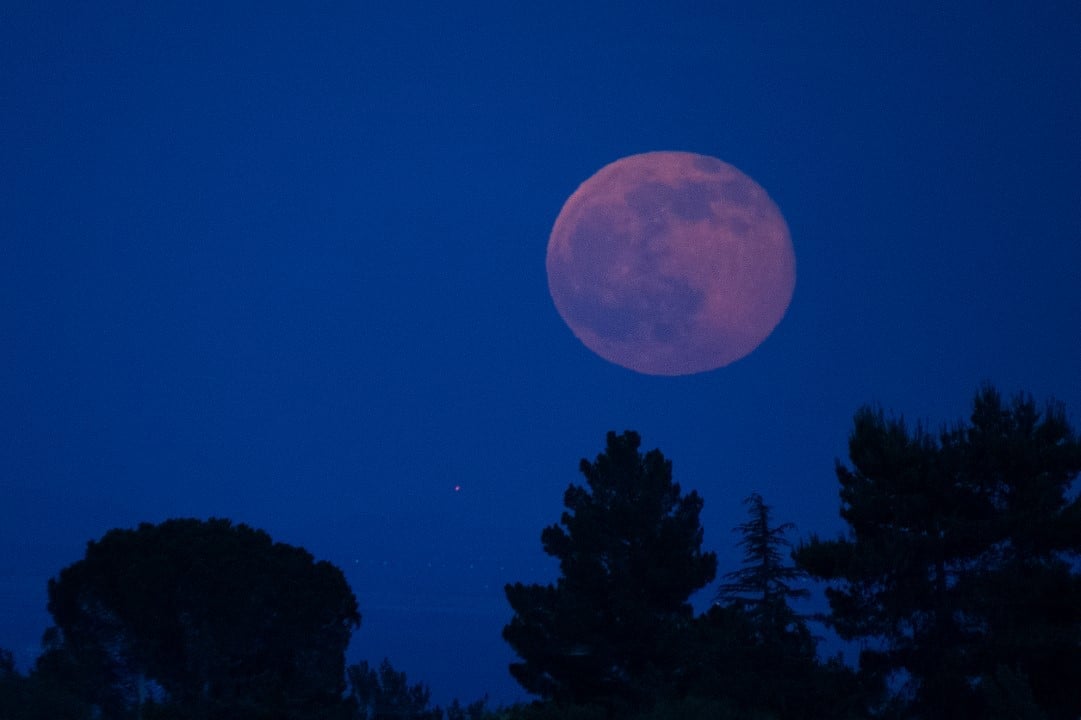
The phenomenon known as the “pink full moon” is a celestial spectacle that periodically captivates observers around the world. Embora its name suggests a distinct coloration, the hue does not refer to the actual color of the star, but rather a tribute to the wild flora that blooms in spring in the northern hemisphere. Este event, like the one historically observed on April 1st, has deep cultural and scientific roots, arousing curiosity about its origin and meaning.
The popular designation of the April full moon dates back to Native American traditions. Eles named each full moon of the year in association with natural features or seasonal events that occurred in their region. The choice of the term “rose” is directly linked to the wildflower Phlox subulata, or “pink moss”, which blooms vigorously during this period, painting landscapes with a vibrant carpet of color.
Origins and etymology of the name
The tradition of naming full moons is a legacy of the ancient indigenous peoples of América of Norte. Cada name reflected the local ecology and annual cycle, serving as a natural calendar for agriculture, hunting and rituals. The “pink moon” was a crucial temporal marker, indicating the arrival of spring and the rebirth of life after the cold winter months.
In addition to Phlox subulata, other cultures also associate the April moon with different aspects of nature. In some traditions, it is known as the “springing grass moon”, the “egg moon” or the “fish moon”, depending on the natural events prevalent in the region. Tais names highlight the universality of human connection to lunar cycles and the importance of the environment for the survival and well-being of communities.
What makes the “pink full moon” special?
The particularity of the “pink full moon” does not lie in a chromatic change visible to the naked eye, as many might imagine. The lunar disk maintains its usual grayish or yellowish-white color. The perception of a pinkish or reddish hue, when it occurs, is generally the result of light scattering in the Earth’s atmosphere, especially when the moon is low on the horizon or under certain weather conditions.
This astronomical phenomenon occurs when Sol and Lua are in perfect opposition to Terra, causing the illuminated face of Lua to be completely visible. The full moon’s fullness and intense glow make it an object of fascination, with the name “rose” adding a poetic and cultural layer that transcends mere scientific observation, connecting it to a broader cycle of nature and renewal.
Meaning in different cultures and traditions
The influence of the full moon goes beyond botany and astronomy. In different cultures around the world, the lunar phases, and in particular the full moon, are loaded with symbolism and spiritual meaning. Para Some Native American traditions, the April full moon represented a time of awakening and new beginnings, ideal for planting seeds and starting projects.
In Hinduism, the full moon is associated with important festivals and rituals, such as Hanuman Jayanti, which celebrates the birth of the deity Hanuman. In Celtic culture and some pagan traditions, full moons are moments of great energy, conducive to meditation, healing and expressing intentions. The “pink moon” is therefore a point of convergence for different beliefs and celebrations, uniting humanity under the same sky.
Astronomy and the science behind the full moon
From a scientific point of view, a full moon occurs when the side of Lua facing Terra is completely illuminated by Sol. Este alignment occurs approximately once a month, marking the climax of the lunar cycle. The distance of Lua from Terra may vary throughout the month, influencing the apparent size of the lunar disk in the sky.
When the full moon coincides with perigee, the point at which Lua is closest to Terra in its elliptical orbit, the phenomenon known as a “supermoon” occurs, which appears slightly larger and brighter. On the other hand, if the full moon occurs at its apogee (the furthest point), it is called a “micromoon.” Estes events, although they influence perception, do not change the cultural designation of the “pink moon” in April.
The lunar cycle has a significant impact on various terrestrial phenomena. Ocean tides are a classic example, directly influenced by the gravitational force of Lua. Estudos also suggest possible correlations between lunar phases and behaviors in animals, as well as variations in human sleep, although the latter are still the subject of intense research and debate in the scientific community.
Best practices for celestial observation
Observing the full moon, regardless of its name, is a rewarding experience that does not require sophisticated equipment. Contudo, some tips can improve appreciation of the phenomenon. Escolher A location with little light pollution is essential to maximize the visibility of Lua and the surrounding stars. Parques, rural areas or even balconies and terraces on high floors in cities can offer good observation points.
The weather also plays a crucial role. Noites Clear and cloud-free are ideal, allowing an unobstructed view. Consultar Forecasting the weather in advance is a good practice. Embora With the naked eye you already have an impressive view, binoculars or an amateur telescope can reveal fascinating details of the lunar surface, such as craters and seas.
It is important to remember that celestial observation must be done safely. If you are in an isolated location, inform someone of your whereabouts. In urban areas, be aware of your surroundings. Utilizar astronomy apps on your cell phone can help identify the position of Lua and other celestial bodies, as well as providing additional information about what is being observed.
Lunar photography is another aspect that attracts many enthusiasts. With smartphone cameras becoming more advanced, capturing the beauty of the full moon has become more accessible. Contudo, DSLR cameras with long-range lenses offer superior results, allowing you to record textures and details of the lunar surface with greater precision and clarity, immortalizing the beauty of the spectacle.
Impact of the full moon on nature and everyday life
The imposing presence of the full moon in the night sky has been, throughout history, an object of admiration and study. Sua Gravitational influence is mainly responsible for ocean tides, generating cycles of high and low tides that impact coastal ecosystems and navigation. Além Furthermore, the extra light during the night of a full moon can alter the behavior of nocturnal animals, influencing their hunting and reproduction patterns.
Future Lunar Events and Continued Relevance
The fascination with lunar events does not diminish with time. Each year, the astronomical calendar presents us with a series of phenomena, from full moons with their seasonal names to eclipses and meteor showers. Manter-Being informed about these events allows enthusiasts and the general public to plan their observations and deepen their knowledge about the universe.
Amateur astronomy organizations and observatories often release calendars of celestial events and host public observing sessions, offering an excellent opportunity to learn and share the experience. The constant quest to understand celestial cycles reinforces the human connection with the cosmos and the importance of preserving dark skies for future generations.




