
Venus begins its phase as an evening star and gains prominence in the western sky in 2026

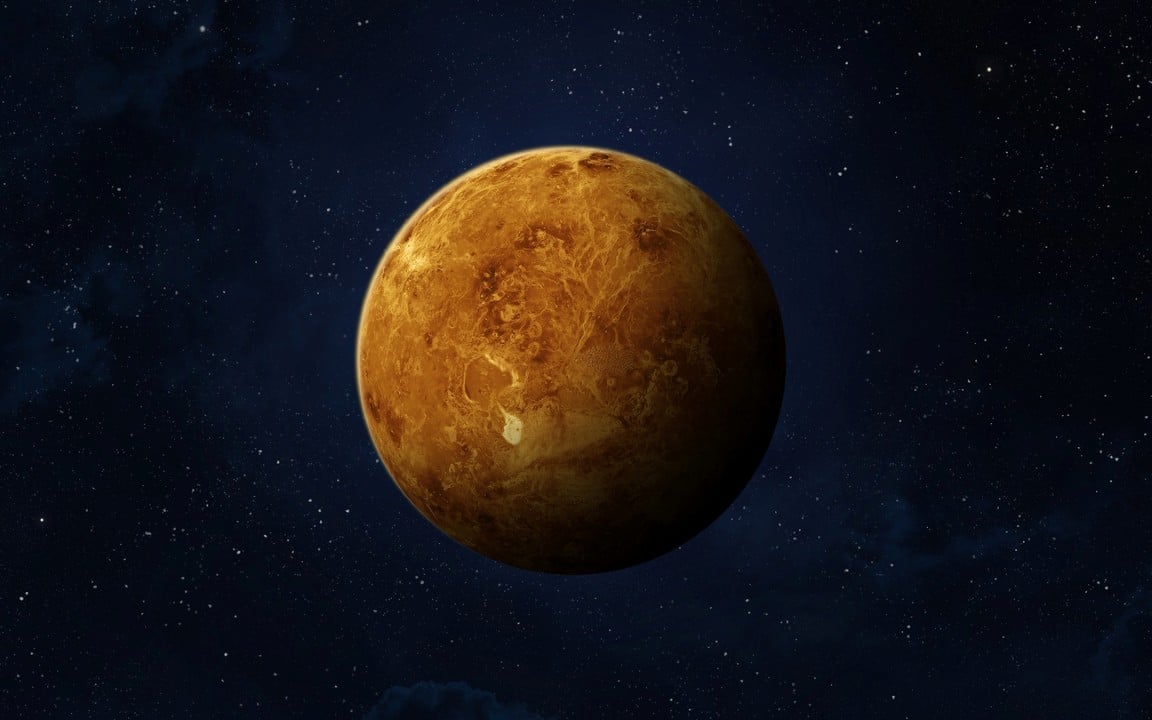
Observers have noticed an intense bright spot in the western sky just after sunset since mid-February. Trata is Vênus, the third most luminous celestial body visible from Terra, behind only Sol and Lua. The planet has begun to appear on the western horizon and rises gradually each night, becoming easier to spot even at twilight.
A thin crescent moon passed very close to Vênus this week, creating an alignment visible about 30 minutes after sunset. On March 20, during the spring equinox in the northern hemisphere, the moon with a lunar age of 1 day positioned itself close to the planet. The next day, the crescent moon hovered above Vênus, and on Sunday March 22 observers were able to attempt to locate Júpiter near the zenith after spotting the pair.
- The phenomenon occurs in the western sky
- Venus shines with high magnitude
- Alignment favors observation with the naked eye
Features that make Vênus so visible
Venus reflects much of the sunlight due to the dense clouds that cover its surface, which results in high apparent brightness. The average distance to Terra is around 150 million kilometers, reaching 42 million kilometers at the closest point. The planet has an average surface temperature of 480 degrees Celsius and atmospheric pressure about 90 times higher than that recorded in Terra.
These conditions explain why Vênus appears to be a bright, fixed star in the evening. The planet completed the transition from the morning to the afternoon sky after superior conjunction in early January. Desde Then, it progressively gains altitude and light intensity.
Recent alignments with the moon and other planets
The crescent moon approached Vênus on specific dates in March, offering twilight viewing opportunities. Esses encounters occur because the moon orbits Terra quickly and crosses Vênus’s apparent path in the sky.
Over the same period, Júpiter appeared higher, closer to the zenith, allowing keen observers to spot multiple celestial objects in a single session. The equinox brought balance between day and night, which slightly influenced visibility conditions on the horizon.

Tips for observing the evening star
Choose a location with an unobstructed view to the west and avoid excessive light pollution. The best time to spot Vênus is between 30 and 45 minutes after sunset, when the sky is still bright enough for the planet to stand out but dark enough for greater contrast. Binóculos or small telescope help to appreciate details of the planet’s growing phase, but observation with the naked eye already reveals its intense brightness.
Vênus continues to rise into the sky over the next few weeks and months. The planet reaches maximum altitude in mid-June and reaches its brightest point in September. The greatest eastern elongation occurs on August 15, when Venus is positioned approximately 47 degrees from Sol, offering the best window for extended observation after dusk.
Expectation of brightness and future visibility
The brightness of Vênus gradually increases as it moves angularly away from Sol in terrestrial view. At the current time, the planet already stands out as the most luminous object in the night sky after sunset. Observadores at different latitudes you can follow the phenomenon, as long as the western horizon remains clear.
The current phase marks the beginning of Vênus’s season as an evening star, which extends into the fall. The planet will remain visible in the western sky for several hours after dark in the following weeks.
Next milestones of Vênus’s appearance
The alignment with the crescent moon served as the starting point for this phase. Nos following months, Vênus gains more prominence and facilitates identification even in urban areas. The increase in altitude allows the planet to be visible for longer before setting.
Amateur astronomers record these positions to track orbital motion. The current setup favors simple photography with cell phone cameras or basic equipment, as long as the focus is adjusted correctly at twilight.
Factors influencing observation
Clear weather conditions and the absence of low clouds on the western horizon are essential for good sightings. The magnitude of Vênus, close to -4, makes the planet visible even when the sky is not yet completely dark.
The phenomenon repeats in predictable cycles due to the lower orbit of Vênus compared to Terra. Essa current afternoon appearance offers an accessible opportunity for those who wish to observe the solar system without advanced equipment.



