
Artemis II mission crew trains repair of Orion spacecraft’s sanitary system for lunar flight

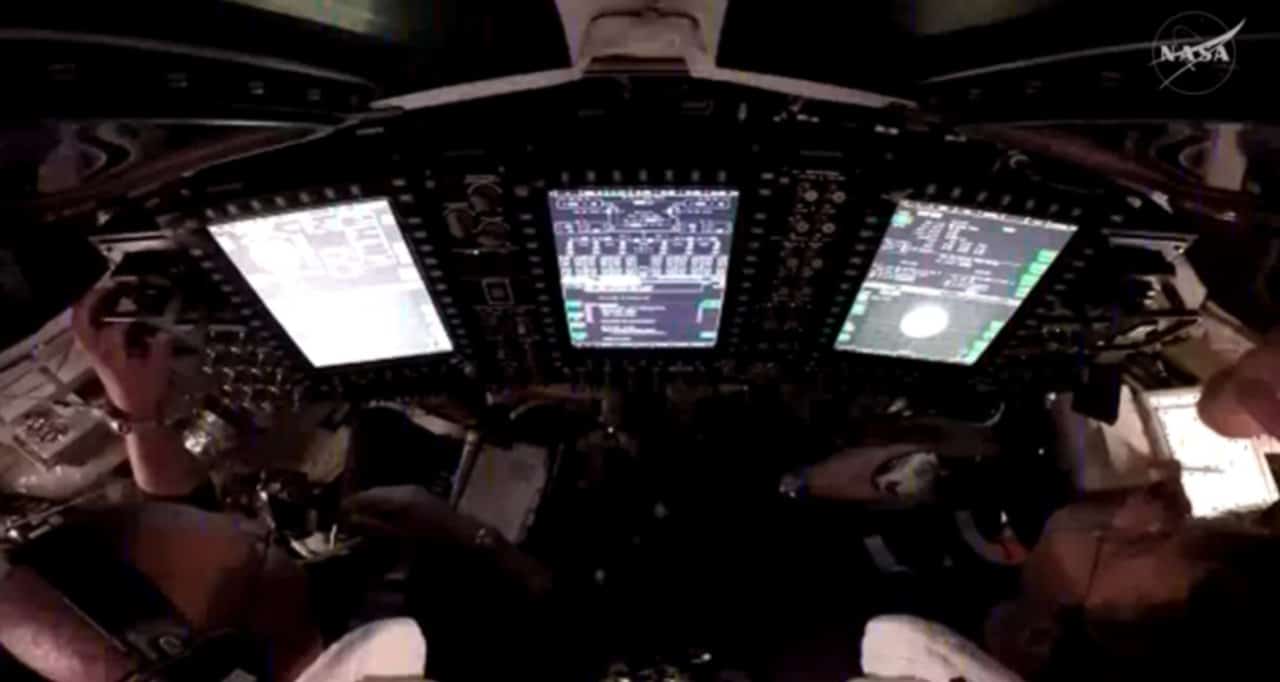
The US space agency coordinates a series of practical simulations with the four astronauts assigned to the next manned flight around Lua. The activities take place at the training facility at Houston, where the team focuses on the capsule’s internal maintenance procedures. The main objective of this phase is to ensure that crew members are able to operate and repair vital equipment during the ten-day voyage.
The recent focus of activities is on the ship’s waste management system. The engineers identified the need to prepare the team to dismantle and rebuild the sanitary structure in a microgravity environment. The preventive measure comes after technical assessments of previous unmanned flights.
Astronauts Victor Glover, Reid Wiseman, Christina Koch and Jeremy Hansen actively participate in the practical sessions. Eles use exact replicas of the spacecraft interior to memorize each step of the maintenance process. Familiarity with tools and internal components is treated as a top priority by ground control teams.
Intensive training on Centro Espacial Johnson
The training complex at Texas houses high-fidelity simulators that replicate the exact space and lighting conditions of the capsule. Instructors create mechanical failure scenarios that require immediate crew response. Time pressure and limited movement are factors incorporated into daily exercise.
During simulations, the team needs to isolate the area from the faulty equipment to prevent contamination of the pressurized environment. The waste system has direct connections to the storage tanks and ventilation lines. Qualquer Leak can compromise the quality of breathing air in the cabin.
The need for manual intervention was reinforced after analyzing data from the program’s inaugural mission. Sensores recorded anomalies in the flow of fluids in the sanitary compartment when the ship operated without a crew. Engineers redesigned parts of the system, but maintained the requirement for human maintenance as a safety redundancy.
The repair procedure steps include specific, coordinated actions:
– Desconexão of the sanitary module primary power lines.
– Isolamento for suction and fluid containment valves.
– Substituição for sealing rings and odor filters.
– Teste of pressurization before system reactivation.
Adaptation to life support systems
The European service module provides the main infrastructure for the functioning of the capsule’s life support systems. Este external component carries the supplies of water, oxygen and electrical power necessary for survival in deep space. Integration between the crew cabin and the service module requires constant monitoring of control panels.
Liquid and solid waste management directly affects the mass balance and thermal stability of the spacecraft. The collected fluids undergo a chemical treatment process to prevent the proliferation of bacteria and the generation of harmful gases. The team trains to identify failures in the suction pumps that direct these materials to storage tanks in the external module.
On-orbit contingency procedures
Carrying out repairs thousands of kilometers from Terra requires strict communication protocols with the control center. Astronauts use wireless headsets and portable cameras to transmit real-time images of damaged parts. Engineers on the ground analyze the situation and confirm each step in the procedures manual before execution.
The onboard tool kit has been optimized to handle toilet compartment-specific screws and latches. The switches and tweezers have magnetic cables and fastening cords to prevent them from floating around the cabin and causing short circuits in other panels. The organization of the workspace is fundamental to the success of the operation.
If the main system suffers an irrecoverable failure, the ship has emergency containment bags as a last resort measure. However, prolonged use of these alternatives compromises comfort and hygiene during the mission. Therefore, the ability to rebuild the original equipment is treated as a mandatory requirement for crew flight certification.
Preparations for the journey around Lua
The planned trajectory will take the capsule to an unprecedented distance, surpassing the marks established by missions Durante. Durante During the period of greatest separation, the crew will be on the hidden side of Lua, facing a temporary block in radio communications with Terra. Este moment of total isolation requires that internal systems function perfectly, as there will be no possibility of immediate external assistance. The team’s autonomy in resolving mechanical problems becomes the main safety factor for the mission.
The ten-day flight serves as a stress test for all of the spacecraft’s hardware and software components. Assessment of the waste management system under continuous use by four people will provide essential data for the design of future long-duration missions. Modern space engineering seeks to create closed life support cycles where dependence on terrestrial supplies is minimized. The success of this step will validate the design choices made by partner agencies and pave the way for the construction of permanent bases on the lunar surface.
Evolution of space capsule design
The spacecraft’s internal architecture was designed to maximize habitable volume without compromising the vehicle’s structural integrity during the launch and reentry phases. Diferente from the old capsules of the last century, the new design incorporates lightweight composite materials and advanced metal alloys that reduce overall weight and increase resistance against micrometeorites and cosmic radiation. The toilet compartment, specifically, occupies a small space next to the side hatch, requiring engineers to create a system of folding doors to guarantee the crew’s privacy without blocking the access corridors to the command seats. Ventilation in this area is controlled by independent exhaust fans that filter the air through layers of activated carbon and neutralizing chemical compounds before returning it to the main cabin. Durante development, the aerospace manufacturer responsible for assembly carried out hundreds of tests in vacuum chambers to ensure that pressure variations did not cause the backflow of unwanted materials. The equipment’s user interface was also modernized, replacing cumbersome manual valves with electronic switches integrated into the central flight computer. Essa Digitalization allows the control center to monitor the status of pumps and level sensors continuously, alerting astronauts of the need for preventive maintenance before total failure occurs. The ability to disassemble the entire assembly using only standardized hand tools reflects the design philosophy focused on survivability and operational autonomy in deep space missions.
International partnerships in lunar exploration
The presence of astronaut Jeremy Hansen highlights the Canadian space agency’s direct contribution to the exploration program. The country provided essential robotic technology for orbital infrastructure and secured its place in manned missions. The integration of crew members of different nationalities requires rigorous standardization of training and technical nomenclature used on board.
The provision of the service module by the European agency represents a milestone in global aerospace cooperation. Especialistas from several European countries worked on the development of the propulsion and thermal control systems that will keep the capsule operating in a vacuum. Interoperability between American and European components is extensively tested during simulations at Houston.
Next simulation steps
The team’s preparation schedule will continue with long-term integrated simulations, where astronauts will spend uninterrupted days inside the capsule replicas. Estes Final trials will assess not only technical proficiency in repairs, but also interpersonal dynamics and fatigue management under conditions of extreme confinement.




