
Bird monitoring in Scotland confirms unprecedented presence of Usutu virus in British territory

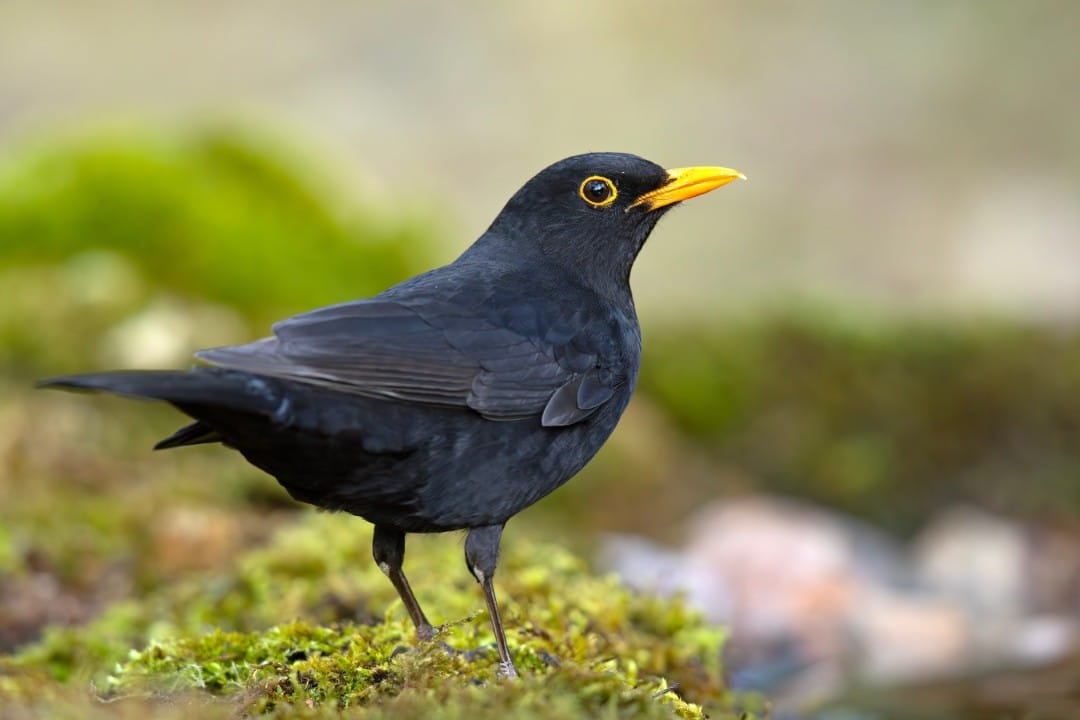
Health authorities and veterinary researchers have confirmed the unprecedented detection of the Usutu virus in Scotland, marking the first time the pathogen has been identified in the northern Reino Unido region. The virus, which belongs to the same family as yellow fever and the Nilo Ocidental virus, was found in wild birds during an ongoing surveillance program led by environmental and animal protection bodies. The discovery raises concerns about changing migration patterns and the impact of climate variations on the spread of infectious diseases.
The monitoring system identified the presence of the biological agent in samples collected in rural areas, triggering immediate laboratory analysis protocols to confirm the virus lineage. Especialistas point out that although the risk to the human population is considered low at the moment, surveillance must be intensified to prevent outbreaks in local avian populations. The microorganism’s circulation at such high latitudes is a significant indicator of how pathogens previously restricted to warmer climates are expanding.
- Samples were taken from birds found dead or weakened in biological control zones.
- National reference laboratories validated the genetic sequence of the virus to ensure diagnostic accuracy.
- Public health teams have begun reviewing care protocols for cases of unusual neurological symptoms.
- The local government has issued recommendations for citizens to avoid direct contact with wild animals found dead.
Scientists and epidemiologists are analyzing the data collected to understand how the virus arrived at Escócia, focusing mainly on the migratory routes that connect the Europa mainland to the British Isles. The Usutu virus is transmitted mainly by mosquitoes of the genus Culex, which act as vectors among birds and, occasionally, can infect humans. The increase in average temperatures in the summer months has favored the survival and reproduction of these insects in areas where they previously did not find ideal conditions.
Health surveillance reinforces environmental monitoring
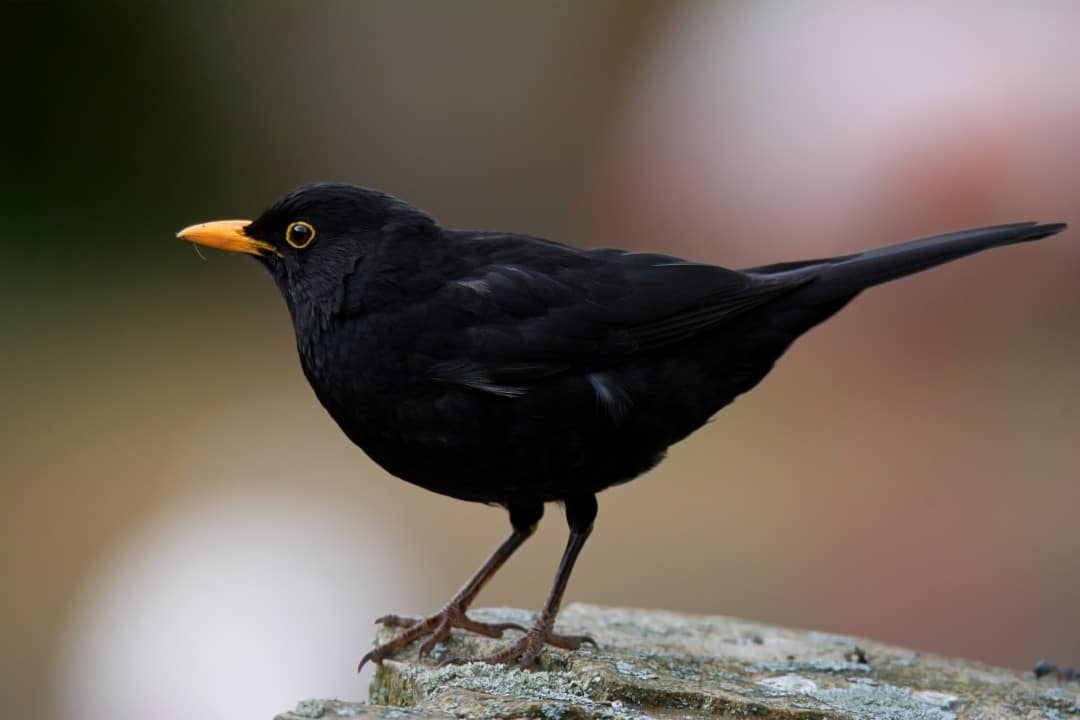
The discovery of the pathogen in birds at Escócia requires a coordinated response between departments of agriculture, environment and public health to mitigate potential damage to biodiversity. Estratégias Containment and passive monitoring are being implemented to identify new foci of infection in different species of birds, especially among blackbirds and owls, which are highly susceptible.
Technicians emphasize that the presence of the virus is a reminder of global interconnectivity and the need for investments in basic science for the early detection of biological threats. The exchange of information with other European countries that have already been living with the virus for decades will be essential to establish efficient predictive models.
Biological characteristics and risks for the population
The Usutu virus was first identified in África and has since spread to several Europa countries, causing mass mortality in certain bird populations. Embora Most human infections are asymptomatic or present mild symptoms similar to those of a common flu, rare cases can develop into serious complications.
In exceptional situations, patients may develop meningitis or encephalitis, especially those with compromised immune systems or pre-existing health conditions. Current guidance is that anyone experiencing persistent symptoms after insect bites seek medical assistance for appropriate diagnostic evaluation.
The history of dispersion of this pathogen in Europa Central and Mediterrânea serves as a basis for the measures that are now being adopted in the northernmost regions. International experience demonstrates that public awareness and vector control are the most effective tools for keeping transmission under strict control.
Additional research will be conducted in the coming months to verify whether the virus has already established a local transmission cycle or whether the recorded cases are isolated and resulting from migratory birds. Esta distinction is crucial to determine whether long-term measures will need to include more aggressive mosquito control interventions in urban and peripheral areas.
Climate change and the expansion of tropical pathogens
The detection of the virus Usutu in Escócia is analyzed by climatologists as a clear sign of environmental transformations that are altering the ecology of infectious diseases. Global warming allows vectors such as mosquitoes to survive previously harsh winters, extending their period of activity and geographic range to the Northern Hemisphere.
This phenomenon is not isolated, as other tropical viruses have also shown a tendency to move towards temperate zones in recent years. The adaptation of pathogens to new environments challenges public health structures that were not used to dealing with such diseases in their daily operational operations.
Impact on local fauna and preservation of biodiversity
The mortality of wild birds caused by the virus could unbalance local ecosystems, affecting the food chain and pollination in certain Scottish nature reserves. Organizações of nature conservation are working together with scientists to map the areas most at risk and protect species that are already in a vulnerable situation.
Detailed monitoring allows experts to understand the survival rate of infected birds and the ability of local populations to develop natural immunity. Tais data is vital for formulating conservation policies that take into account the resilience of species in the face of new and emerging biological pressures.
Guidance for residents and healthcare professionals
Healthcare professionals at Escócia received information bulletins on how to identify clinical signs of infection with the Usutu virus in humans, aiming for a quick and accurate diagnosis. The main recommendation for the general public continues to be the use of repellents and the elimination of stagnant water sources, where transmitting mosquitoes breed easily.
It is essential that the population collaborates by reporting the discovery of dead birds to the competent authorities, without touching the animals to minimize any biological risk. Transparency in communication between the government and civil society is seen as the central pillar to maintain calm and ensure that preventive measures are followed correctly by everyone.



