
Everest climbers were allegedly poisoned by guides in $20 million fraudulent operation

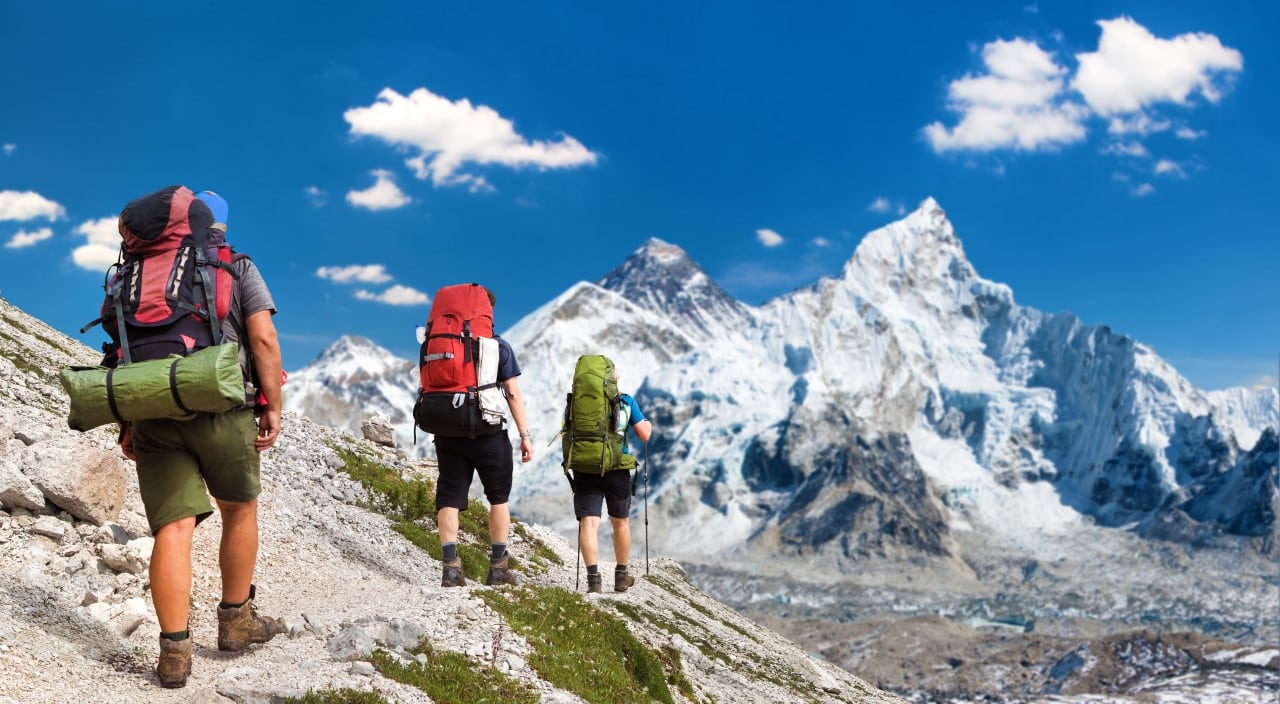
Authorities at Nepal are investigating a network involving mountain guides, tourism agencies, helicopter operators and hospitals for alleged fraud in rescuing climbers at Monte Everest. The scheme would have generated around US$20 million in undue payments from international insurers between 2022 and 2025. The investigations point to the use of substances that induced symptoms of malaise, forcing unnecessary air evacuations and the issuance of false documents to justify the costs.
Investigators identified at least 32 people involved, 23 of whom remain at large. Seis rescue company executives were arrested in January, while nine other suspects attended a court hearing in March. The operation combined actions between guides and hospitals and flight operators to maximize earnings from travel insurance.
- Guides and tourism agencies coordinated initial contact with climbers
- Helicopter operators carried out transports with altered manifests
- Hospitals issued medical reports and bills for care that did not occur
The main method was to induce symptoms similar to those of altitude sickness or food poisoning. In some documented cases, guides mixed baking soda or chemical yeast into climbers’ food to cause severe gastrointestinal discomfort. Outras times, they administered medications inappropriately, such as excessive doses of acetazolamide associated with large intakes of water, to simulate a medical emergency that justified the call for a helicopter.
Fraudulent operation mobilizes multiple actors in the rescue
The gang took advantage of insurance companies’ difficulty in verifying incidents that occurred at thousands of meters of altitude and at a great distance from customers. A single helicopter transported more than one climber on the same trip, but charges were sent as if each case required a separate aircraft. As a result, the cost of a flight of approximately US$4,000 was multiplied to up to US$12,000 in the case of three passengers.
Guides pressured tourists who had already completed the ascent and did not wish to descend on foot, offering ransom as a quick alternative to return to Katmandu. Alguns climbers voluntarily participated in the arrangement and received part of the amounts obtained through fraud. Hospitals, in turn, produced reports with non-existent exams and digital signatures of professionals who did not provide care.

Substances used to simulate medical emergencies
In at least one episode investigated, a tourist ingested chemical yeast mixed with the meal prepared by the guides. The substance caused physical symptoms that mimicked serious altitude-related conditions. Outro resource involved the use of Diamox tablets in quantities or combinations that caused discomfort rather than prevention.
These practices made it possible to activate the helicopter quickly and transport the climbers to the Nepalese capital. Once in Katmandu, those involved prepared all the necessary documentation to bill foreign insurers, including hospital bills for services that were never actually provided.
Financial dimensions reveal scale of fraud
Between 2022 and 2025, hospitals participating in the scheme treated 4,782 foreign patients, of which 171 cases were identified as fraudulent redemptions. Hospital Internacional Era, at Katmandu, received more than $15.87 million in insurance payments during this period. Hospital Internacional Shreedhi registered over $1.22 million.
Rescue operators also accumulated significant amounts. Mountain Rescue Service earned around US$10.31 million with 171 redemptions considered false in 1,248 flights carried out. Nepal Charter Service raised $8.2 million on 471 flights. In a specific example, four tourists were transported on the same flight and with the same registration, but the invoices were issued as four individual redemptions, totaling US$31,000 in charges.
Network includes commission transfers between those involved
Hospitals passed on between 20% and 25% of the amounts received from insurance companies to tourism agencies and guides. Outra A similar portion was directed to helicopter operators responsible for transporting patients. An administrative assistant at one of the hospitals admitted to having used his own X-ray exam, carried out a year earlier, as if it belonged to a foreign tourist to prove the need for care.
A doctor at Shreedhi Hospital reported during questioning that the institution paid significant commissions to rescue companies and trekking operators. The amounts included 9.1 million Nepali rupees for one operator and 1.5 million for another, plus additional payments to promote the business.
Verification Difficulties Facilitate Scheme
International insurers face obstacles in confirming the veracity of ransom claims in the Himalaia mountain range. Quando notified of the emergency, transport had already taken place and documentation was in the preparation phase. Muitos Contracts require prior authorization, but time and distance prevent real-time checks.
Local intermediaries, who in some cases were part of the network itself, validated documents and facilitated the process. Essa structure allowed rescue companies to maximize charges, agencies to seek commissions, and hospitals to record more admissions without the interests of insurers being prioritized.
Investigation reopened after initial complaints
The first reports about irregularities in rescues on Everest appeared in 2018. At the time, the Nepalese government created a commission that produced a 700-page report and announced measures to contain the problem. Investigations were resumed last year and revealed that the practices had intensified.
Authorities continue to search for the 23 fugitive suspects. Conselho of Turismo of Nepal is following the case closely, as this year’s climbing season is expected to welcome at least 500 climbers. Representantes from the sector highlight the importance of clarifying the facts to preserve the country’s image as a mountaineering destination.
Concern about impact on adventure tourism
The scheme involved falsifying flight manifests, medical reports and hospital bills. In some cases, the climbers themselves collaborated by authorizing altered documents in exchange for part of the resources obtained. Investigations point to an organized operation that lasted several years and affected tourists of different nationalities.
The recent arrests and court hearings represent progress in the investigations conducted by the Nepalese police. Autoridades reinforce that the continuity of the investigations seeks to hold everyone involved accountable and prevent similar practices from being repeated in future seasons at Monte Everest.



