
Iran and Oman advance joint protocol to monitor shipping in the Strait of Hormuz

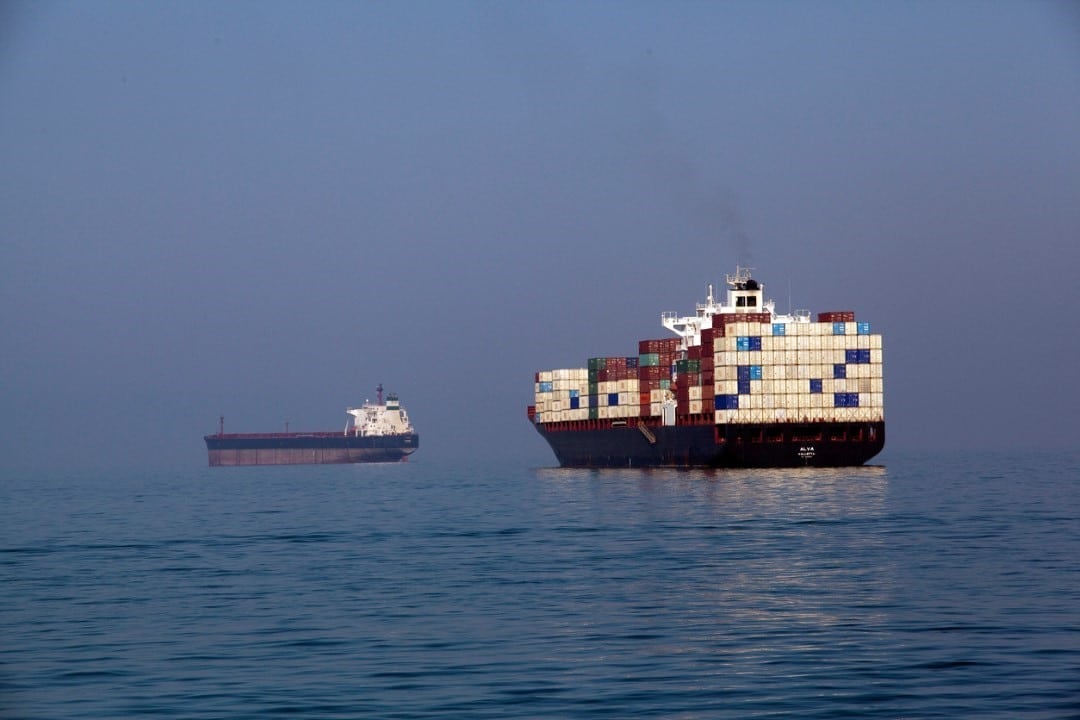
Irã and Omã are negotiating the creation of a joint protocol to monitor maritime traffic in the Ormuz strait. The Iranian deputy minister of Relações Exteriores, Kazem Gharibabadi, reported that the draft document is in the final stage of internal preparation. Assim Once completed, the parties will begin formal negotiations to establish common supervision rules on the route.
This initiative comes at a time of global attention to the important maritime route, responsible for transporting much of the world’s oil and liquefied natural gas. The statements were made this Thursday, April 2, 2026, and highlight the objective of coordinating transit between the two riverside countries.
Draft preparation and next steps
Iranian authorities are working on internally finalizing the text of the protocol. Gharibabadi highlighted that the document seeks to supervise and coordinate the movement of ships through the region. Ele added that the measures aim to facilitate safe passage and offer better services to vessels.
Negotiations with Omã will begin shortly after the draft is completed. The two countries intend to reach a bilateral agreement that establishes shared monitoring mechanisms.
This cooperation reflects the understanding that the strait of Ormuz involves waters adjacent to both territories. The initiative seeks to create an organized navigation regime for the period of peace.
Details about proposed monitoring
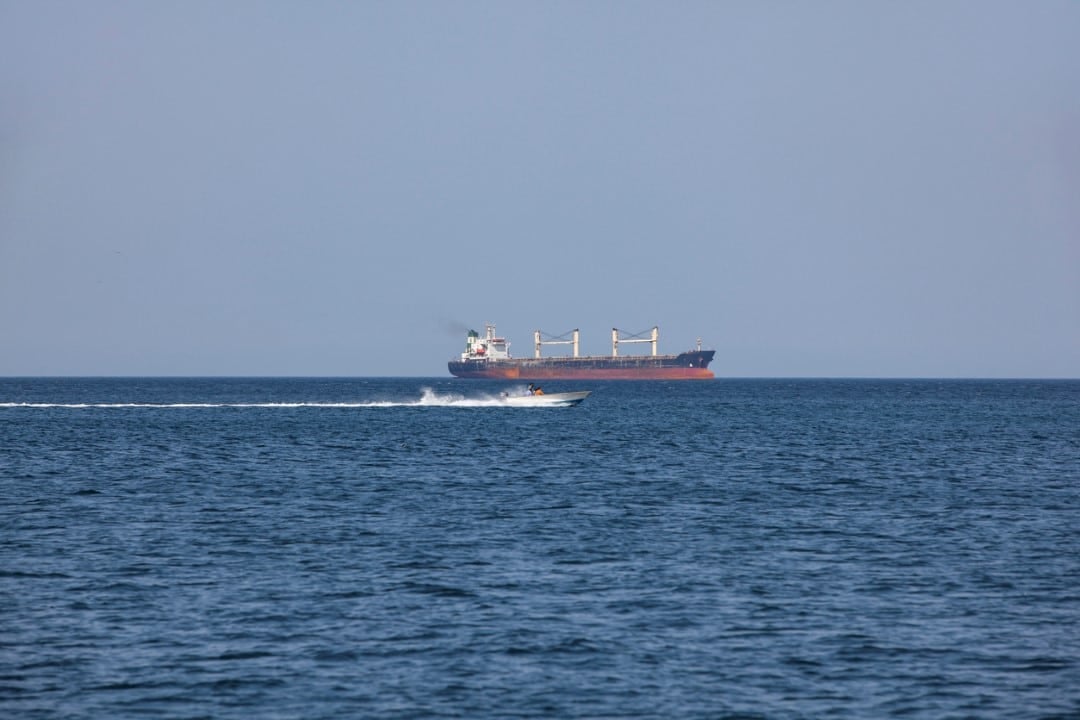
The protocol under discussion establishes that vessels obtain prior authorizations from the two coastal Estados. Joint supervision does not intend to impose restrictions on international transit. Instead, the focus is on ensuring safety and providing adequate services to ships using the route.
Gharibabadi explained that traffic must be coordinated in order to maintain smooth passage. Todas Vessels transiting the strait in times of peace will need to comply with the requirements defined in the future agreement.
The measure represents an effort to formalize shared control over one of the most strategic maritime routes on the planet.
Context of the strategic maritime route
The strait of Ormuz connects Golfo Pérsico to Golfo of Omã and Oceano Índico. Milhões of barrels of oil pass daily through this narrow corridor, which represents one of the main arteries of global energy trade.
Any change in navigation rules in this region arouses the interest of governments and companies in the energy sector around the world. The protocol being negotiated comes after periods of tension that affected the flow of vessels.
Iran and Omã, as countries that share geographic proximity to the strait, seek to align their positions on the issue.
Objectives declared by authorities
The Iranian deputy minister’s statements emphasize that the protocol does not seek to limit maritime trade. The main objective is to improve navigation safety and provide operational support to crews and ships.
Coordination between Teerã and Muscat aims to create a predictable environment for cargo transit. Isso includes the definition of clear procedures for communication and prior authorization when necessary.
Experts are following the development because the strait remains essential for international energy supplies.
Importance of bilateral agreement
The partnership between Irã and Omã strengthens the shared management of a sensitive area from a geopolitical and economic point of view. The protocol can establish standards for identifying vessels and sharing traffic information.
This bilateral approach allows both countries to act in a coordinated manner in the daily supervision of the route. Negotiations are expected to advance in the coming days after the Iranian side concludes the internal draft.
The final document must balance security interests with the need to maintain the free flow of goods.
The Ormuz strait remains a central point in discussions about maritime security in the region. The joint protocol initiative between Irã and Omã represents another step in defining clear rules for navigating this strategic path. Authorities in both countries are working to align procedures that guarantee both order and efficiency in maritime transport.



