
João Fonseca knows the key in the Monte Carlo Masters 1000 and escapes from the ranking leaders on his debut

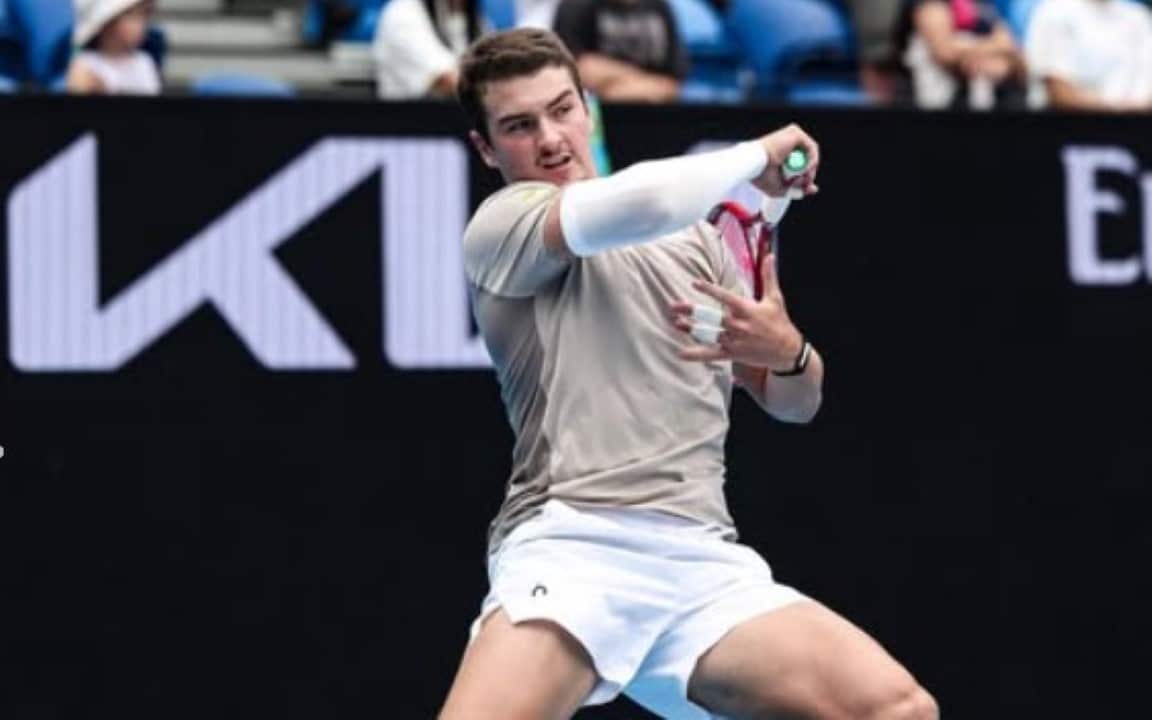
The tennis player from Rio begins a new phase in his professional career by joining the European tour of competitions played on clay courts. The transition from the fast courts of América of Norte to Monegasque clay represents a fundamental test for the athlete at this stage of the world circuit, requiring immediate physical and tactical adaptations.
The organization of the event on Principado of Mônaco finalizes the preparations for the official draw that will determine the first crossings of the main draw. The tournament brings together the sport’s elite in a leaner structure, guaranteeing clashes of high technical and physical intensity from the opening rounds onwards, which raises the level of difficulty for newcomers to the category.
The central objective of the technical team is to gain crucial points for the player’s consolidation in the classification of Associação of Tenistas Profissionais. Quick adaptation to weather conditions and the bounce of the ball on the slow surface dictates the pace of preparatory training on the European coast, aiming for a consistent performance against more experienced opponents.
Formatting the competition and protecting the seedings
The configuration of the main draw in the Monegasque event presents particularities that change the dynamics of the initial clashes in comparison to tournaments played on hard courts throughout the year. The regulations establish a reduced number of participants with only 56 official entrants, which raises the level of technical demands on the first day of competitions at the sports complex. Essa formatting ensures that the top eight ranked teams receive an automatic break in the opening round, creating a protective barrier for the main favorites for the title and allowing them to enter the court only in the round of 32 phase, with more time to prepare and observe their opponents.
The absence of immediate duels against the top of the list provides a more balanced adaptation scenario for newcomers to European clay. Nomes of weight such as the Spanish Carlos Alcaraz and the Italian Jannik Sinner are among those benefiting from this rule, waiting for the winners of the opening round clashes to begin their campaigns in the tournament, which takes considerable initial pressure off the shoulders of younger tennis players looking for space.
The exemption system in the first round encompasses specific characteristics of the competition that directly affect athletes’ planning:
– Apenas The top eight seeds automatically advance to the second phase.
– The official list used for the cut is based on the ranking released at the beginning of March.
– Competidores with recent rise in the table, they need to act from the first day of games.
Russian threat outside the exemption zone
Russian Daniil Medvedev emerges as one of the most dangerous opponents outside the group of athletes protected by the initial clearance. Ocupando tenth position overall at the time of the official cutoff, the player will need to enter the court in the first few days of the event, becoming a formidable obstacle for anyone not pre-classified.
The athlete’s record on clay from Mônaco includes reaching the semi-final stage in previous editions, highlighting his ability to adapt to the slow surface. An eventual cross would require patience when exchanging the ball, refined physical resistance and a strategy focused on moving the opponent along the back of the court.
Confirmed withdrawals and main draw changes
The current edition of the tournament sees significant changes due to the absence of established names on the world tennis circuit. Serbian Novak Djokovic chose not to participate in the Monegasque event this season, changing the weight of the upper bracket.
The decision by the title holder of Grand Slam aims to improve physical conditioning for the upcoming commitments at Europa. The strategy focuses on preventing excessive wear and tear before the longer tournaments that take place in the following months.
North Americans Ben Shelton and Taylor Fritz also made their exits from the competition official in the weeks leading up to the draw. The casualties modified the original structure of the intersections planned by the event organizers.
These withdrawals opened direct places for competitors who were on the waiting list to enter the main draw. The move changes the level of demand for athletes looking to advance in the initial rounds, introducing new game profiles into the dispute.
Technical requirements for success on clay
Performance on clay courts demands specific biomechanical and tactical adjustments to deal with the reduced speed of the game and the higher bounce of the ball. The ability to generate constant acceleration and mastery of lateral sliding represent indispensable fundamentals for building prolonged and efficient points. Recent training has prioritized defensive movement and quick transition to attack, considering that the Monegasque surface tends to favor consistency strategies to the detriment of pure and immediate attack, requiring a more refined reading of the game.
The experience accumulated in clashes against members at the top of the ranking provides the necessary basis to face the intensity of the adult professional circuit in tournaments of this magnitude. Maintaining an aggressive stance, combined with rigorous control of the number of unforced errors, constitutes the pillar of the strategy outlined by the technical committee for the coming weeks. The maritime humidity at the end of the day makes the ball heavier, requiring superior aerobic resistance to support matches that often exceed two hours of uninterrupted duration under strong muscular demand.
History of South American tennis players in Principado of Mônaco
The Monte Carlo Country Club sports complex has a history of impressive results for athletes born in South American territory, with campaigns that marked the trajectory of sport in the region. The victories achieved by Gustavo Kuerten in the past have established a standard of excellence that continues to serve as a technical reference and mental inspiration for the new generations of the circuit who arrive on European clay. The dirt surface requires refined tactical intelligence, the ability to vary the height of shots using topspin and the resilience to destabilize opponents’ positioning throughout exhausting rallies. João Fonseca’s current objective is to record new consistent advances in this successful trajectory, seeking to reach the acute rounds of an event in the prestigious Masters 1000 series and accumulate the necessary points for definitive leaps in the world rankings, consolidating its name among today’s main competitors.
Monitoring physical wear in the European tour
The management of muscle recovery after an intense sequence of competitions in the América of Norte represents a critical factor for performance on the European continent. The multidisciplinary team monitors the athlete’s physical indices daily to sustain high-level competitiveness, focus on adequate hydration and prevent joint injuries during the next few months of the busy calendar.
Equipment adjustments and weather conditions
Final preparation at the event site involves rigorous testing with different stringing tensions of the rackets used by the tennis player. The objective is to adapt the working material to the specific altitude and humidity characteristic of the Mônaco coastal region, guaranteeing ideal control of the ball.
The weather forecast indicates mild temperatures and a low probability of rain for the week of disputes in Principado. Essas Weather conditions keep the court regular, favoring a predictable ball bounce and a more fluid game for athletes with offensive characteristics.
The technical committee positively evaluates the transition process from hard courts to clay after the first days of training. The focus remains on executing a fast pace and on the power of the right punches to shorten the points whenever the opportunity presents itself.
Score targets and direct access to bigger tournaments
The number of victories in the Monegasque event has a direct impact on strategic planning for the remainder of the sports season. The accumulation of points aims to guarantee direct access to the main draws of the next Grand Slam tournaments, the main focus of the technical team.
This strategy eliminates the need to compete in the exhaustive qualifying phases that precede the circuit’s most prestigious competitions. Consolidation in the world ranking allows for a more predictable calendar, facilitating travel logistics and the exclusive focus on high performance on the court.



