
Leapmotor T03 takes over as third best-selling car in Italy and drives electric vehicles

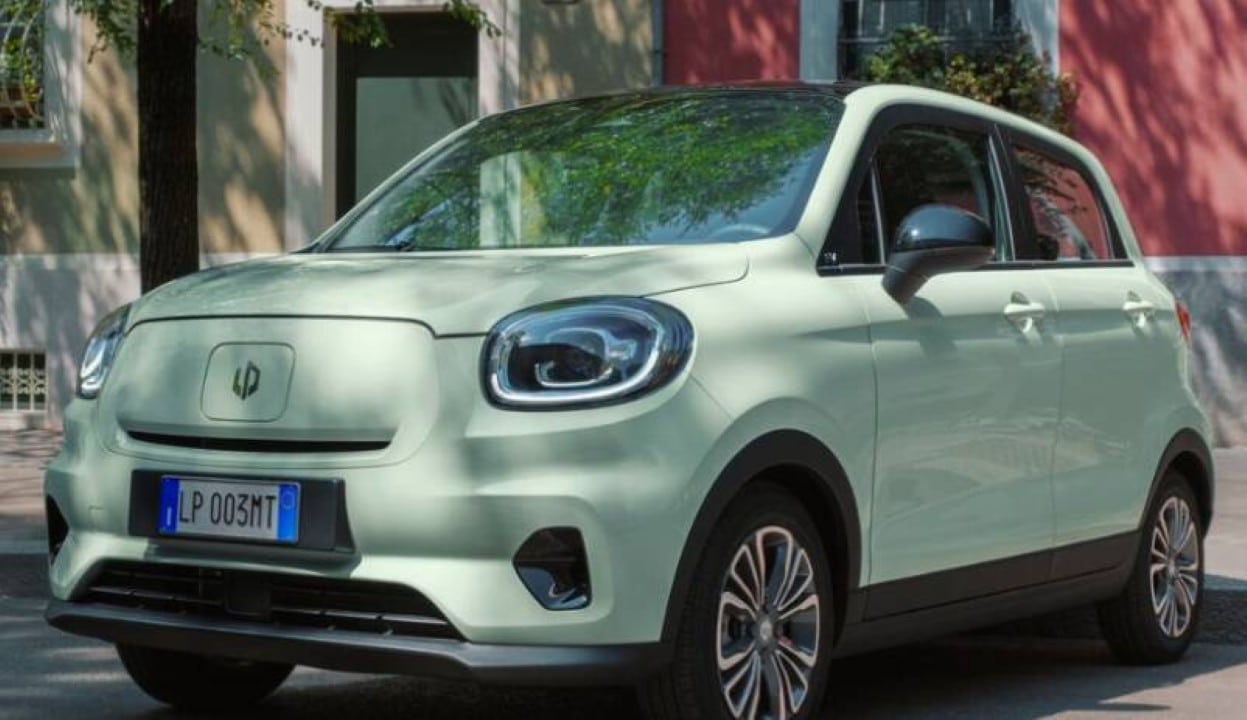
The automotive market at Itália recorded significant movement during the month of March 2026, with the closing of consolidated data this Thursday (2). The main surprise of the period was the meteoric rise of the Leapmotor T03, a fully electric compact model of Chinese origin, which reached third place in the general ranking of best-selling vehicles in the European country. Este phenomenon occurs at a time of gradual transition to electrification, where new names begin to challenge traditional brands established on the continent.
Leapmotor, which has a strategic distribution partnership operated by Stellantis and Europa, surpassed the mark of 5,500 registrations in March alone on Italian soil. The advance represents a paradigm shift, as local consumers show greater openness to battery-powered vehicles when they have competitive prices and dimensions suitable for urban use. The current scenario indicates a slow but constant consolidation of the sustainable fleet, which now holds a relevant share of monthly sales.
- Increase in demand for compact urban models.
- Growth of charging infrastructure in metropolitan centers.
- Logistics partnerships that facilitate the entry of Asian brands.
- Stability in sales of hybrid models as a technological bridge.
The sales structure in the region reflects an unprecedented balance between the tradition of local automakers and the productive efficiency coming from Ásia. Analistas indicate that the success of the T03 is not an isolated fact, but rather the reflection of a repressed demand for affordable electric mobility in a market still pressured by high import and manufacturing costs.
Rise of Leapmotor T03 and new registration records
The commercial performance of the Leapmotor T03 at Itália symbolizes a profound change in the preferences of urban drivers looking to move away from fossil fuels. By registering more than five thousand units delivered in thirty days, the Chinese brand proved that the acceptance of new technologies directly depends on the cost-benefit offered to the end user. The vehicle stands out for its agility on narrow roads and for its autonomy consistent with the needs of daily travel in large Italian capitals.
This result puts the model in a prominent position compared to European competitors who are still struggling to reduce the entry prices of their electrified lines. The distribution carried out by Stellantis was a determining factor for this volume, ensuring that technical support and the dealer network were ready to meet the growing demand. The market is closely watching how this integration between Chinese capital and European infrastructure could dictate the pace of sales in the coming quarters of 2026.
Expansion of sustainable mobility and market share in March
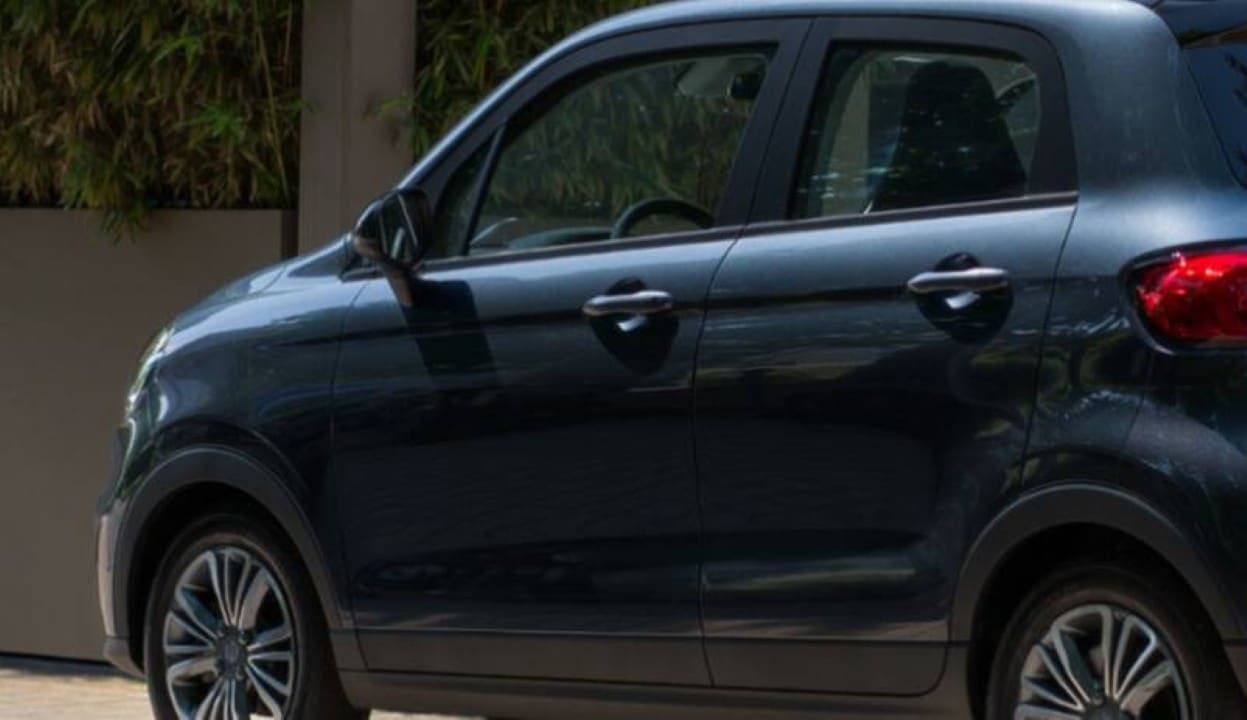
The market share for vehicles powered exclusively by batteries reached 8.6% at Itália at the end of the first quarter of this year. Embora Although the number is still far from total hegemony, it signals a safe progression compared to previous years, when the 5% barrier seemed insurmountable. Public interest is being fueled by the arrival of more concrete options that are less focused on the luxury segment, democratizing access to clean technology.
- Hybrid vehicles remain the main transition choice.
- Consumers in the provinces still show caution due to autonomy.
- New economic models are planned for the second half of the year.
The diversification of the portfolio available in Italian stores allowed different customer profiles to find viable solutions for their budget. Especialistas in the automotive sector point out that the psychological price barrier is being overcome by the entry of players that have optimized their global supply chains. The tendency is for the share of batteries to continue to rise organically, following the expansion of fast charging stations on highways.
Structural challenges and the reality of Italian cities
Despite the sales success of the Leapmotor T03, the Italian market still faces significant obstacles to a massive and rapid adoption of full electrification. The disparity between the infrastructure available in large cities, such as Milão and Roma, and rural areas or smaller cities in the interior, creates growth at two different speeds. Enquanto In urban centers recharging is facilitated by dense networks, in the provinces dependence on thermal or hybrid engines is still the rule for reasons of logistics and practicality.
In addition to structural issues, the price of energy and the volatility of government incentives for fleet changes directly influence the closing of new businesses. The sector awaits clearer definitions on subsidies that can maintain the growth rate observed in March. The local industry is also looking for ways to compete with the efficiency of imported models, trying to balance the protection of domestic manufacturing with the environmental goals established by União Europeia.
Dynamics of the automotive sector in the face of new global competitors
The aggressive arrival of Chinese brands to the top of the sales rankings changes the power dynamics between the traditional automakers that have dominated the continent for decades. The fact that a Chinese electric car occupies the podium in a traditionalist market like Italy sends a clear signal to German and French manufacturers about the need for agility. The competition has now shifted to battery efficiency and the integration of onboard software that delivers a superior driver experience.
Stellantis’s move to embrace Leapmotor’s distribution shows an “if you can’t beat ‘em, join ‘em” strategy, allowing the group to maintain its relevance in sales volume even with products from external partners. Essa Cooperation helps to dilute market risks and accelerate the renewal of the fleet in circulation. The future of the sector in Itália seems to necessarily involve these transcontinental alliances that combine local market knowledge with Asian production capacity.
Perspective of continuity for the growth of electric vehicles
Projections for the remainder of 2026 indicate that the upward trend should continue, especially if new compact models continue to arrive at Italian ports. The expectation is that other manufacturers will follow the example of Leapmotor and seek local partnerships to facilitate the entry of their products. Economic stability and maintenance of interest rates for vehicle financing will be key elements for end consumers to continue investing in exchanging their old cars.
The one-off success in March serves as a thermometer for the marketing and sales strategies of dealerships across the country. If after-sales support for these new models proves to be efficient, the barrier of distrust towards new brands will be permanently broken down. The Itália automotive market ends this period with a warning sign for those who do not innovate and a clear opportunity for those who focus on accessibility and sustainability.
Technical analysis of the commercial impact on local automotive retail
The financial movement generated by the more than 5,500 registrations of Leapmotor reflects a substantial injection of capital into retail, moving from insurance companies to residential charger installation companies. The multiplier effect of selling an electric car is greater than that of a conventional model, as it requires a series of added services that modernize the service network. Salespeople are undergoing intensive training to explain the nuances of autonomy and recharge time to new owners.
This new flow of customers also changes the profile of mechanical workshops, which need to adapt to deal with high voltage systems and complex electronic components. The change is structural and affects the entire production chain, from parts logistics to the responsible disposal of chemical components. Itália, by accepting the T03 as one of its favorites, begins a path of no return towards a more diverse transport matrix and connected with global mobility trends.



