
Manufacturer Lego launches dynamic scenarios with world football stars for the 2026 World Cup

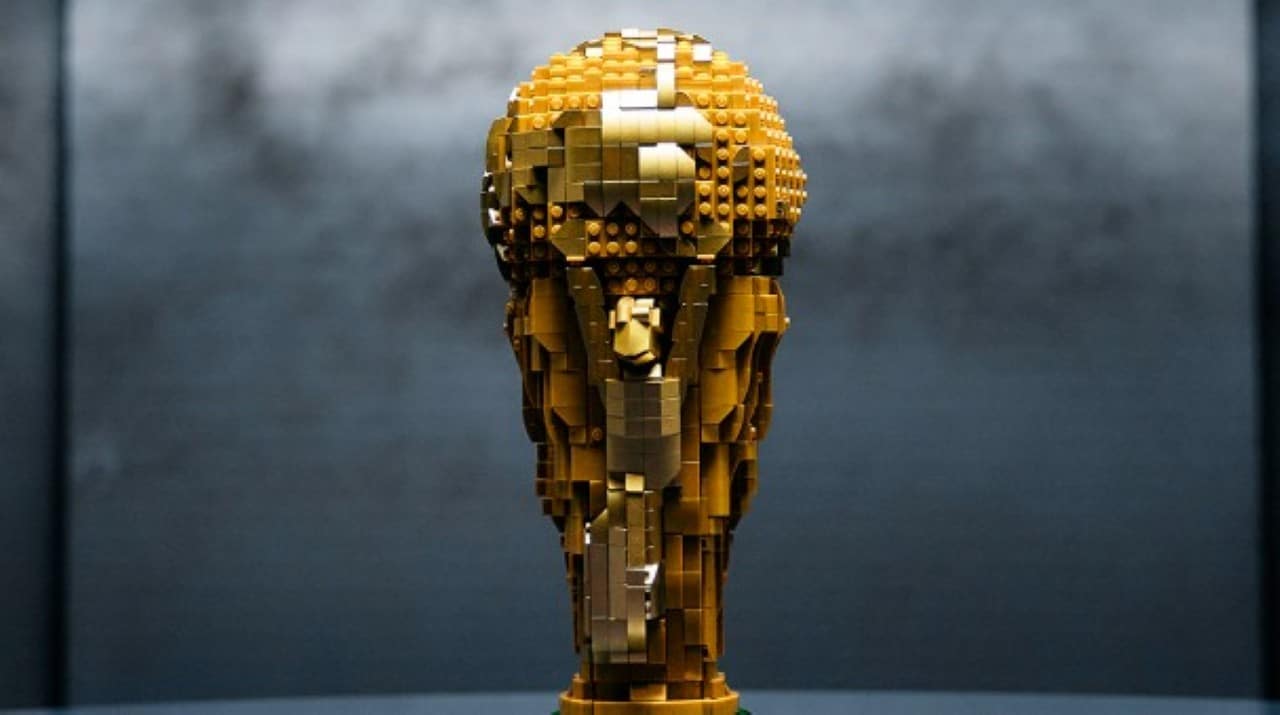
The sports collectibles market gains a new dimension with the announcement of an unprecedented line of products that transforms big names in global sports into buildable models. The Danish toymaker has confirmed the launch of detailed sets that depict internationally renowned figures, creating dioramas and sculptures that capture the play style and trajectory of each professional. The initiative hits shelves at the same time that the sporting calendar turns to the main national team competition on the planet, scheduled to take place in 2026.
The new products are part of a special series focused on recreating iconic lawn scenes through a structured assembly system. The project moves away from the simple production of traditional dolls to offer an interactive experience, in which the public actively constructs the scenario that surrounds the athlete, promoting a tactile engagement with the history of the sport.
The design proposal presents specific characteristics to differentiate sets in the memorabilia market, focusing on high-impact visual elements:
– Estruturas that incorporate the colors of national flags in a stylized and modern way.
– Peças that simulate movement effects, such as speed and impact, using translucent blocks and precise angulations.
– Substituição of literal uniforms through graphic interpretations that highlight the player’s visual identity and stage presence.
The development of the pieces involved joint work between the company’s designers and the teams that manage the careers of the honorees. The aim of this collaboration was to ensure that each individual’s personal traits, characteristic celebrations and cultural heritage were accurately translated into the plastic block format, respecting the legacy they have built over the years.
Structural tributes to sports veterans
The models dedicated to Lionel Messi and Cristiano Ronaldo are designed with versatile mounting options, allowing collectors to alter the sculptures’ poses to suit their display preference. The structures reproduce silhouettes widely recognized by the public, using fitting techniques that suggest dynamism and agility, hallmarks of both professionals throughout their extensive and successful careers on international lawns.
For the Argentine athlete, the designers chose to include subtle references to his origins in the city of Rosario, where he began his sporting career before moving to Europa. The number ten, the player’s trademark, appears integrated into the base of the diorama, accompanied by visual elements that refer to his posture on the field, his vision of the game and his deep connection with the South American country.
In the case of the Portuguese player, the creative team prioritized the reproduction of his most famous celebration, an athletic movement that required direct approval from his image consultant to guarantee anatomical fidelity within the limitations of the blocks. The set also features exclusive details, such as the inclusion of thirty-six specific chrome pieces that symbolize the trophies accumulated during his years of playing for the main European clubs and the national team.
Visual representation of speed and contemporary style
Kylian Mbappé and Vinícius Júnior star in dioramas that emphasize the physical explosion, refined technique and tactical creativity of the new generation. The project focused on the French striker uses a gradient color scheme to simulate smoke and high-speed trajectories, capturing the dynamism of his lightning-fast sprints towards the opponent’s goal, a trait that defines his impact in matches.
The set of Mbappé also incorporates small visual markings, represented by flags, which record his passage through different teams throughout his professional career. Essas additions function as a compact historical record, allowing fans to follow the athlete’s evolution through the details inserted into the base of the buildable structure, creating a visual narrative of his rise in the sport.
The representation of Vinícius Júnior stands out for its use of vibrant colors and shapes that evoke the culture of Brazilian street football and the musicality of samba. The designers employed pieces in neon yellow tones to create the illusion of beams of intense speed, while the overall composition of the base reflects the energy, joy and vibrancy associated with his unpredictable and attacking dribbling style.
Both sets include minifigures with unique facial prints and clothing details that nod to their respective national teams, setting the stage for the 2026 tournament.
Block engineering and overcoming physical limitations
The design team faced the complex technical challenge of expressing fluidity, speed and emotion using a system historically based on rigid grids and static geometric pieces. Para To circumvent this limitation inherent to the material, the creators developed innovative visual solutions, such as the use of colored contrails, mirrored triangles and small asymmetrical displacements of parts that generate the sensation of a sporting action frozen at the exact moment of its execution.
The creation process required precise calculations of angles and overlapping layers to ensure the structural stability of the sculptures in poses that appear to defy gravity. In model Cristiano Ronaldo, for example, the structure elevates the main figure in a simulated acrobatic bicycle kick, requiring a nearly invisible translucent support that maintains the physical integrity of the piece without compromising the dramatic aesthetics of the aerial movement.
Direct partnership in defining biographical details
Close collaboration with the athletes themselves and their legal representatives was essential for defining hidden elements, known in the entertainment world as Easter eggs, strategically inserted into the scenarios. The designers mixed obvious references, such as the initials engraved on the support bases, with subtle biographical clues that reward the attentive observation and dedication of the most faithful collectors. The chronological sequence of flags in the French model and the visual references to clay fields in the Argentine model perfectly exemplify this deep narrative approach. The central objective of this design strategy was to transform sports memorabilia, traditionally seen as a passive item of contemplation, into a tool for continuous interaction, allowing enthusiasts to not only display the finished product, but also understand the life trajectory and obstacles overcome by the honoree during the actual process of assembling the pieces.
Convergence between physical entertainment and digital culture
The aesthetics of the new sets reflect the direct influence of the visual language prevalent in contemporary social networks, echoing the format of short videos, highlights and dynamic editions of plays that go viral daily. The instantly recognizable silhouettes and contrasting color effects make it easy to read the staged scene at a glance, an approach designed specifically to attract and engage younger generations who primarily consume sport through smartphone screens and digital content-sharing platforms.
Expansion of the sports collectibles market
The launch of this specific line marks a strategic move by the manufacturer to consolidate its presence in the lucrative segment of licensed products with high added value. By aligning the arrival of products with the period of preparation and anticipation for the 2026 global tournament, the company seeks to capitalize on the natural and significant increase in public interest in articles related to national teams and their main protagonists.
The transformation of ephemeral sporting moments into permanent, three-dimensional physical objects offers a new perspective for licensing elite athletes’ personal brands. The initiative clearly demonstrates how interactive product design can create lasting and tangible connections between fans and their idols, redefining patterns of consumption, exposure and appreciation in the competitive contemporary sporting goods market.



