
Microsoft reduces the value of the Xbox Series X console by up to 50% for active customers in the digital store

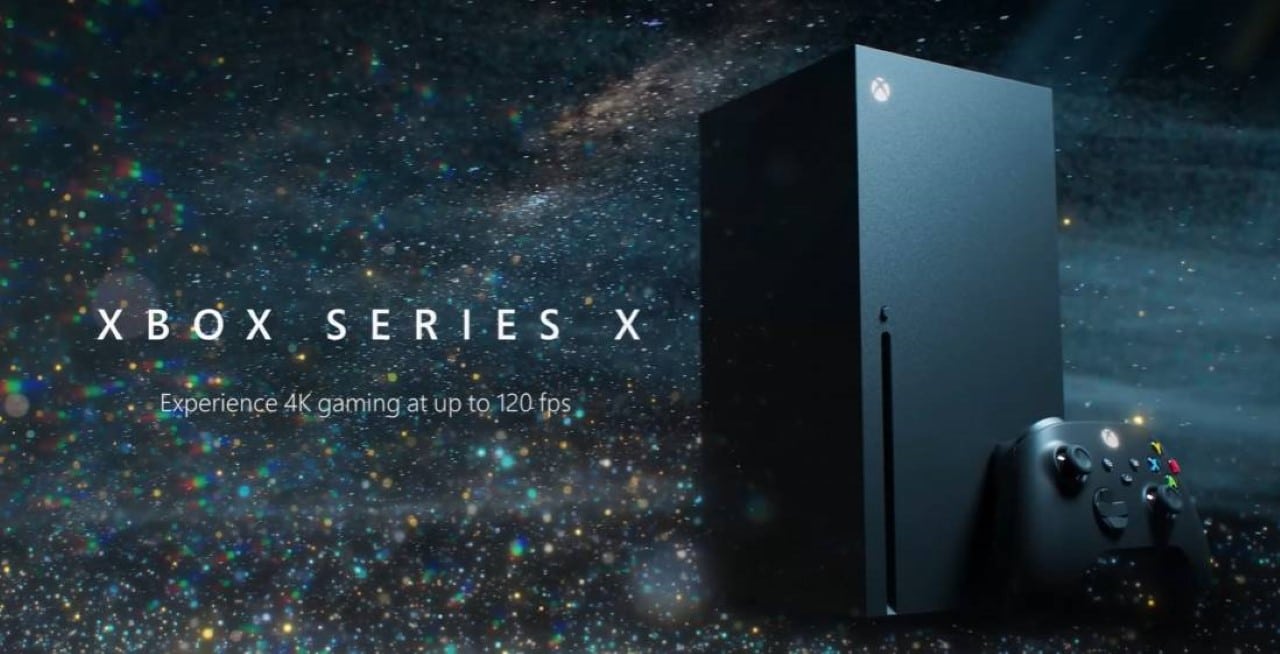
The North American technology manufacturer has implemented a new pricing policy aimed at consumers of its electronic entertainment platform. The measure consists of offering substantial discounts on the purchase of cutting-edge hardware, specifically for audiences who already have a history of engagement in the brand’s ecosystem. Esta commercial action occurs in a segmented manner and is not publicly available in traditional physical retail channels or on web browsers.
The system identifies the consumer’s profile directly on the device’s main interface, presenting the offer in an exclusive and personalized way. The corporation’s central objective is to accelerate the public’s transition to the virtual consumption format and subscription services, ensuring the loyalty of the installed base while optimizing physical equipment inventories in factories and global distribution centers.
The initiative accompanies a broader restructuring of the line of products offered by the company, reflecting the contemporary preference for direct downloads and instant access to virtual catalogs. The progressive elimination of intermediaries in the sale of consoles demonstrates a structural change in the way the company manages its supply chain and interacts with the end consumer.
Eligibility criteria and profile analysis
The algorithm developed by the company continuously monitors account behavior, evaluating the frequency of access, the volume of previous purchases and the maintenance of active subscriptions. Consumidores Those who demonstrate high loyalty to the service receive the most aggressive proposals, with reductions that reach half the original value of the equipment. Esta Segmentation ensures that the financial subsidy is targeted to those most likely to generate long-term recurring revenue, turning the hardware subsidy into an investment in user retention.
User reports indicate that the promotional notification appears prominently on the home screen, displaying a direct shortcut to finalizing the purchase within the system itself. The offer covers the flagship model with a disc player, allowing gamers to upgrade their older systems at a fraction of the usual cost. The transaction requires immediate completion through the console itself, without the possibility of redeeming the benefit through mobile applications or computers, which forces the user to interact with the device’s native interface.
Changes to the hardware portfolio
The targeted discount strategy occurs in parallel with the introduction of new equipment variants onto the market. Modelos focused exclusively on digital media gain prominence on assembly lines, with options in white and without the optical reading unit, reducing manufacturing costs.
In addition to the standard versions, special editions with greater internal storage capacity, reaching up to two terabytes, are also part of the updated catalog. The focus is on devices that do not require the use of physical media, aligning with the company’s server infrastructure.
The elimination of the disc player in future hardware revisions represents a definitive step towards full digitalization. The company directs its marketing efforts to highlight the convenience and speed of instant access to games, minimizing dependence on plastic media.
Retention strategy and competition in the sector
The global interactive entertainment market is facing a period of readjustment in sales of traditional equipment following the peak in demand in recent years. Diante In this scenario, the manufacturer chose to subsidize the hardware to ensure users remain on its closed network.
The tactic of absorbing initial losses when selling the device is not unprecedented in the industry, but the scale of the current discount demonstrates an unusual aggressiveness for the product’s life cycle. The absolute focus becomes the sale of third-party software and the maintenance of monthly fees for premium services.
Direct competitors observe the movement with caution, since the drastic price reduction alters the consumer’s perception of value in relation to table consoles. The fight for public attention requires quick responses and adaptations to the business models of rival companies.
Experts point out that loyalty through subscriptions creates a significant exit barrier for the customer. Once immersed in the ecosystem and with a vast library accumulated, the probability of migrating to competing platforms decreases drastically, ensuring the financial stability of the gaming division.
Technical specifications and equipment performance
The console targeted by the promotion maintains its position as one of the most powerful devices available on the home consumer market. The custom processor and memory architecture ensures near-zero load times and ultra-high fidelity resolutions, supporting refresh rates of up to 120 frames per second on compatible displays.
The graphics processing capability allows you to run complex software with stability, while the quick resume function makes it possible to switch between multiple applications instantly. The internal cooling system ensures silent operation and efficient heat dissipation, even during prolonged sessions of intense use.
Transition to the consumption of digital services
The change in the business model reflects an irreversible trend in the technology industry, where physical ownership of assets gives way to continuous access to virtual libraries managed in the cloud. The corporation structures its finances by projecting profits based on monthly recurrence, transforming high-cost hardware into a mere gateway to its subscription services. Esta approach requires massive investments in global server infrastructure and the acquisition of development studios to ensure a steady stream of exclusive releases that justify ongoing consumer payments. In the long term, dependence on unit sales of physical products disappears, being replaced by rigorous metrics of daily engagement, screen time and active subscriber retention. The success of this venture will define commercial standards for the next decade, influencing not only the electronic games sector, but the entire interactive media distribution chain, forcing a complete adaptation of traditional monetization methods.
Limitations of the bidding system
The exclusivity of the promotion on the device interface restricts access to potential new customers who do not yet have branded equipment or who only use computers. The lack of advertising in conventional virtual stores or cell phone applications prevents the offer from being discovered by casual users, requiring the individual to turn on the console and navigate through the main panel to check whether they have been included in the discount algorithm.
Retail market direction
Traditional retail chains face the need to adapt their operations in the face of aggressive direct sales promoted by hardware manufacturers themselves. The decrease in the flow of customers in physical stores in search of consoles and records requires the search for new sources of revenue, changing the layout of the electronics sections.
The sale of virtual gift cards, personalized controls and peripheral accessories becomes the main focus of retailers to maintain profitability in the sector. The transition to the virtual environment reshapes the relationship between producers, distributors and the end consumer, consolidating the control of technology corporations over the entire sales and distribution process.



