
NASA defines orange suits to ensure astronaut safety on the Artemis 2 mission

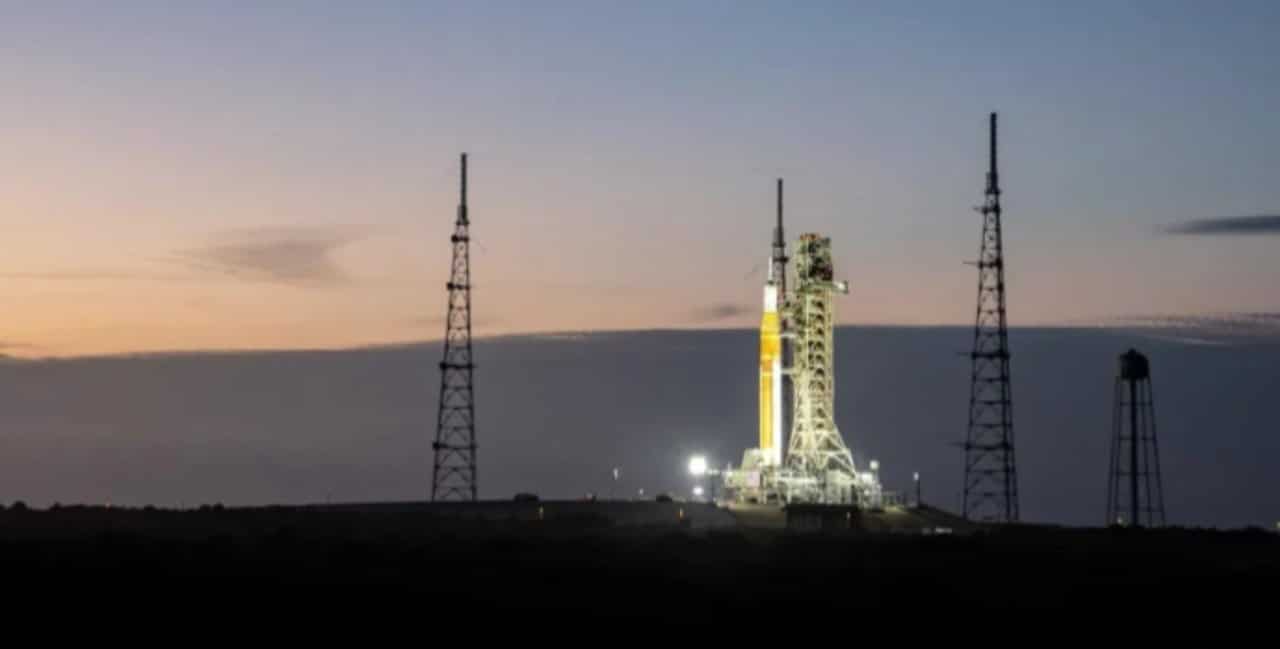
Centro Espacial Kennedy, located at Flórida, is preparing for a historic milestone in space exploration with the launch of mission Artemis 2. Pela for the first time in more than five decades, a human crew will travel toward Lua orbit, using advanced life support and safety technologies. The four astronauts selected for this journey will wear suits in a vibrant hue known as international orange, a technical choice based on decades of rescue protocols.
Unlike the traditional white uniforms used in spacewalks, the orange clothing is specifically designed for the launch and re-entry phases of the Earth’s atmosphere. The hue was selected by Nasa to offer maximum visual contrast against the deep blue of the ocean and the chromatic variations of the sky. Esse factor is decisive for the rapid location of capsule Orion and its occupants by search and rescue teams in the event of a flight interruption or landing at sea.
- The system is officially called Orion Crew Survival System (OCSS).
- The color follows the federal government’s technical standard FS 12197 of Estados Unidos.
- The suit allows autonomous survival for up to 144 hours in extreme conditions.
- Sky blue reflective stripes aid in nighttime identification and rescue.
History and evolution of the color orange in American aviation
The US space agency’s adoption of international orange dates back to 1986, after the implementation of strict new safety guidelines. Antes Furthermore, the color already had an established history in the maritime industry and high-performance experimental aviation. In 1947, the Bell X-1 rocket plane, piloted by Chuck Yeager, used this same pigmentation when it broke the sound barrier for the first time in history.
Although Força Aérea of Estados Unidos integrated the tint into its pressurized uniforms only in the 1970s, space use has become a global standard for visibility. The color density is higher than common fluorescent orange, ensuring that astronauts will be detected by optical sensors even in low-light conditions or heavy fog over Oceano Pacífico.
Survival System Technical Specifications Orion
OCSS suits are sophisticated pressurization equipment that function as an individual miniature spacecraft for each mission crew member. Eles are custom-fitted to ensure the necessary mobility during critical operations within the cabin of the ship Orion. Além eye-catching color, the design includes a V-shaped pattern on the trunk, which serves as a visual guide for attaching external straps of heavy rescue equipment.
Each unit has an individual survival kit that includes personal locator beacons, rescue knives and independent flotation systems. Integrated technology allows the internal temperature to be regulated, protecting astronauts against extreme cold or heat generated during re-entry. The boots have also received significant improvements, with fire-resistant materials and greater flexibility for rapid movement in emergency situations on the ground or in water.
Crew composition and objectives of the lunar journey
Mission Artemis 2 carries a diverse group consisting of three American astronauts and a Canadian representative, symbolizing international cooperation. Reid Wiseman takes command of the operation, accompanied by pilot Victor Glover and mission specialist Christina Koch, both from Nasa. Canadian Jeremy Hansen completes the team as mission specialist, marking the first time that a citizen from outside Estados Unidos travels to the vicinity of the Lua.
The schedule calls for the spacecraft Orion to perform a complete lunar flyby before returning for a controlled landing at Pacífico, close to the coast of San Diego. Durante During the journey of approximately ten days, the communication and navigation systems will be tested in deep space conditions. Esta step is essential to validate the infrastructure that will allow, in subsequent missions, the landing of humans at the lunar south pole for prolonged scientific research.
Launch windows and logistics on Centro Espacial Kennedy
Takeoff is scheduled to take place from this Wednesday, April 1, 2026, at 7:24 pm local time on Flórida, taking advantage of a favorable weather window. Caso weather or technical conditions require a postponement, the space agency keeps additional launch opportunities available until next Monday, April 6. Rocket Space Launch System (SLS) is already positioned at Complexo of Lançamento 39B, undergoing final fueling and electronic systems checks.
Space weather experts continuously monitor solar activity to ensure that radiation does not interfere with Orion’s sensitive instruments as it passes through Van Allen’s belt. The trajectory was calculated to utilize Lua’s gravitational assistance, optimizing fuel consumption and ensuring a safe return via Earth pull. Após reentry, a task force made up of professionals from Marinha and Departamento from Defesa will be positioned to recover the crew in a few minutes.
Safety and long-term protocols in space
The suits’ ability to sustain life for six consecutive days is one of the greatest technological innovations of this new generation of space exploration. Esse 144-hour period provides a crucial safety margin should an unexpected cabin depressurization occur during the return journey. The internal audio system has been enhanced with voice-activated microphones, allowing astronauts to communicate with mission control even in high sound pressure situations.
- Traditional white costumes remain reserved only for activities outside the ship.
- International orange makes identification easier for rescue helicopters and drones.
- Flame retardant materials were applied to all outer layers of the garment.
- The ergonomics have been redesigned to facilitate quick entry and exit from the capsule seats.
The integration of these safety protocols reflects the experience accumulated since the Apollo program and lessons learned from the space shuttle. Mission Artemis 2 not only tests flight hardware, but also consolidates the doctrine of human protection in hostile environments. The success of this manned flight will pave the way for the installation of permanent bases on the lunar surface, serving as a springboard for future explorations towards planet Marte.




