

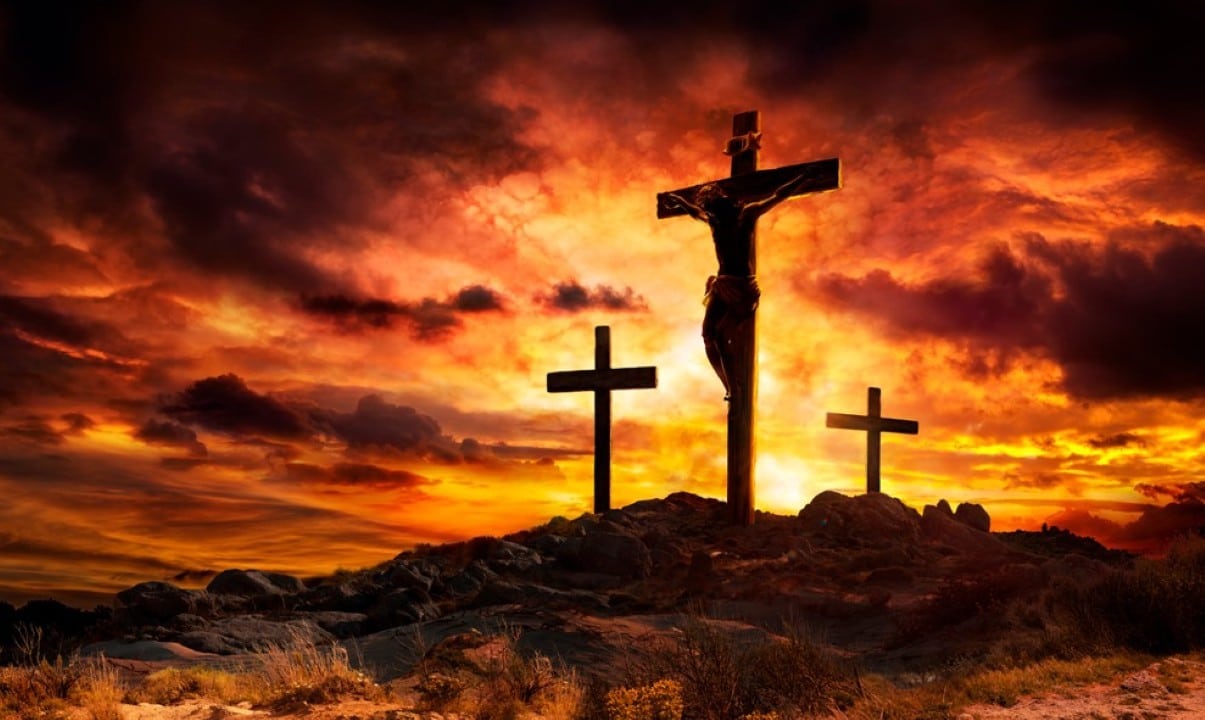
Sexta-Friday Santa, a date of profound importance in the Christian calendar, is celebrated annually with fervor and reflection in different parts of the world. In 2026, millions of believers prepare to observe the day that commemorates the passion and death of Jesus Cristo, marking a period of introspection and religious rituals. The scope of this holiday demonstrates the capillarity of the Christian faith and the influence of its traditions on different cultures and national legislation.
Despite its relevance, the way in which the date is recognized and celebrated can vary significantly from country to country, reflecting cultural and historical nuances. In nations with a strong Christian heritage, the day is traditionally a national holiday, allowing the population to participate in specific celebrations and practices. Contudo, elsewhere, recognition is more restricted, limited to regions or segments of society.
The global religious tradition of Sexta-Santa
Sexta-Friday Santa, an integral part of Semana Santa that culminates in Domingo of Páscoa, is one of the most solemn days for Christians across the planet. The date is dedicated to remembering the last moments of Jesus, from his condemnation to his crucifixion and death in Calvário. It is a day of mourning, prayer and, often, fasting and abstinence, according to Catholic traditions and other Christian denominations.
The observance of Sexta-Friday Santa transcends confessional boundaries, encompassing Catholics, Orthodox and various Protestant strands. Para many, it is a time of penance and renewal of faith, seeking connection with the sacrifices described in the gospels. Churches promote special services, Via Sacras and reenactments that dramatize the events of Cristo.
Diversity of celebrations in the Americas
On the American continent, Sexta-Friday Santa has a strong cultural and religious root, being a national holiday in most of the countries of América Latina and Caribe. No Brasil, for example, the date is an official holiday, guaranteeing time off for most workers and allowing participation in masses and processions that take place throughout the national territory.
Mexico, Colômbia, Peru, Venezuela, Chile and Equador are other Latin American nations where Sexta-Santa is a public holiday and celebrations are intense. Nestes countries, it is common to observe grandiose processions and open-air theatrical performances, which attract crowds and become important cultural and tourist events. Popular devotion is manifested through rituals that pass from generation to generation.
Canadá also recognizes Sexta as a national holiday, known as “Good Friday”. Embora traditions may be less ostentatious than in Latin American countries, many families use the day for meetings, reflection and participation in religious services. British and French influence shaped celebrations in the country, which vary depending on the region.
On Estados Unidos, the situation is more nuanced. Sexta-Santa is not an official national holiday, which means the federal government and many businesses operate as normal. Contudo, some states, such as Connecticut, Delaware, Flórida, Kentucky, Louisiana, Nova Jersey, Sexta0 Sexta1, Sexta2 of Sexta3, Sexta4 and Sexta5, recognize it as a local holiday, with schools and public bodies closing their doors.
Europe: a continent pausing for reflection
Europa, the birthplace of much of the Western Christian tradition, celebrates Sexta widely. In countries like Portugal and Espanha, the date is a national holiday with strong popular support and notable religious events. Spanish processions, in cities such as Sevilha and Málaga, are famous worldwide for their solemnity and artistic beauty, with confraternities carrying litters and penitents parading through the streets.
In Alemanha, where it is known as Karfreitag, Sexta is also a national holiday and a “day of silence”, with restrictions on public events and parties. Este Rigor reflects the Protestant and Catholic tradition of introspection. Suécia, Finlândia and Polônia follow similar patterns, with the date being an official holiday and a time for family and religious observance, with rituals that vary according to the cultural specificities of each nation.
Still on Velho Continente, Itália, headquarters of Vaticano, experiences Sexta-Santa with a series of celebrations that culminate in Via Sacra presided over by Papa at Coliseu of Roma, an event that attracts faithful and spectators from all over the world. The date is an invitation to meditate on the sacrifice of Cristo and to family unity around the values of faith.
Celebrations in Oceania and Asia: distinct traditions
Even on continents further away from the European roots of Christianity, Sexta-Friday Santa is a religious landmark. Na Oceania, Austrália recognizes it as a national holiday, which allows citizens to participate in religious services and spend time with family. The traditions there include a more sober tone than the rest of Semana Santa, although it still maintains a focus on reflection.
In Southeast Asia, countries such as Filipinas and Cingapura also observe Sexta-Santa. Nas Filipinas, a country with one of the largest Catholic populations in Ásia, the celebrations are notably intense and sometimes spectacular. Rituais penitentials, including reenactments of the crucifixion, are held in some regions, attracting great attention and reinforcing deep local devotion.
Singapore, a multicultural and multi-religious nation, also designates Sexta-Santa as a public holiday. Embora Although the Christian community is a minority compared to other religions, the holiday is respected and observed with special services in churches, contributing to the country’s cultural diversity. The coexistence of different beliefs allows different religious dates to be recognized.
Cultural traditions and customs of the holiday
The traditions associated with Sexta-feira Santa are rich and varied, reflecting the diversity of interpretations and manifestations of the Christian faith around the globe. Além of masses and processions, it is common in many cultures to practice fasting and abstinence from red meat, replacing it with fish, as an act of penance. In some regions, plays that reenact the last days of Jesus, known as the “Passion of Cristo”, are staged with great care and community participation, becoming events that unite faith and art. The preparation for Páscoa, with its symbols such as decorated eggs and the rabbit, although more associated with the Sunday of Ressurreição, has its roots in this period of sacrifice and expectation, with many of these symbols already beginning to appear in the weeks leading up to the holiday, creating an atmosphere of anticipation.
The legal variation of the holiday in different nations
The recognition of Sexta-Santa as a holiday reflects the complex relationship between Estado and religion, as well as the historical traditions of each people. Enquanto In some nations the date has an unquestionable status as a national holiday, with the closure of public and private institutions, in others the scenario is more flexible. Essas differences manifest themselves in several ways:
The diversity in the observance of Sexta-fair Santa in 2026, according to current data, highlights not only the historical influence of Christianity, but also the way in which contemporary societies integrate or distinguish religious practices in their daily lives. Esta date continues to be a central point for reflection and celebration for a vast portion of the world’s population.



