
Nepal accuses 32 of mega-fraud in Everest helicopter rescues involving tourists and doctors

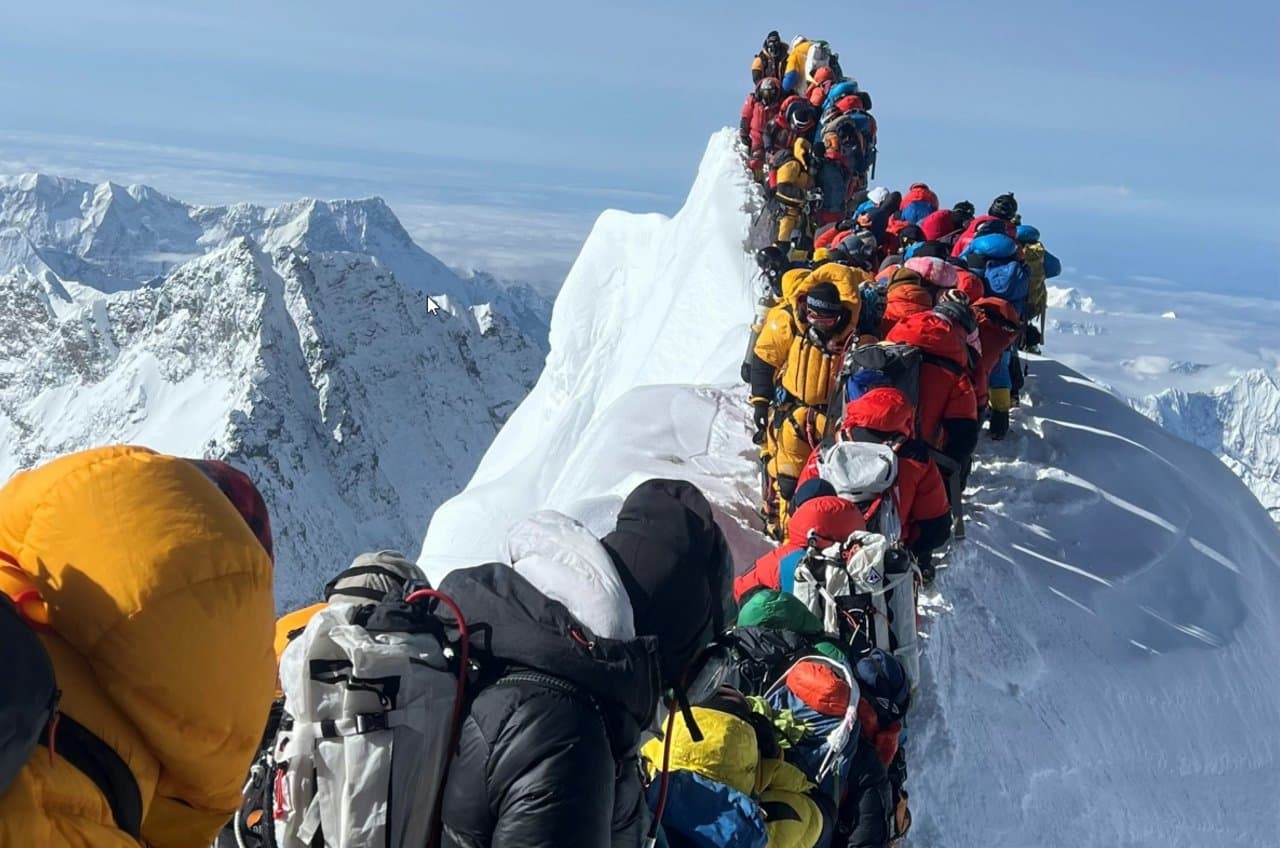
A police operation carried out on Nepal in March 2026 resulted in the formal indictment of 32 individuals for crimes against Estado and participation in a criminal organization. The action is an offshoot of an extensive fraud scheme involving helicopter rescues in high-altitude regions in Himalaia, which manipulated medical evacuations to obtain inflated reimbursements from international insurers. Nove of the suspects were arrested, while the rest remain at large, as reported by The Kathmandu Post.
The accusations cover a vast network of collaborators, including air rescue operators, doctors, hospital administrators and several tourism companies. Esta complex criminal web would have operated for years, exploiting a vital service for tourists on trails in Himalaia: helicopter rescue, essential for genuine cases of altitude sickness or accidents.
Sophisticated emergency simulation scheme
The fraudulent system took advantage of the high demand and logistical complexity of rescues at high altitudes. The criminal practice consisted mainly of simulating medical emergencies to justify the triggering of unnecessary evacuations, generating exorbitant costs.
According to detailed investigations by Nepali authorities, two main methods were employed. In one scenario, tourists were persuaded to simulate symptoms after long trekking days, such as the strenuous trek to Acampamento Base. In the other, local guides and hotel staff played an active role, exaggerating or even inducing symptoms of altitude sickness, in some cases resorting to misuse of medication or drinking excessive water to simulate the need for urgent help.
After the air rescue, the fraud extended to hospitals, where fictitious admissions or inflated diagnoses were recorded. Paralelamente, the companies involved sent significantly multiplied charges to foreign insurers, often simulating that each passenger had been transported individually, even on collective flights.
Extension of the criminal network and millionaire profits
The fraud operated through an intricately coordinated chain of commissions, ensuring that multiple parties benefited. Hospitais, for example, passed on between 20% and 25% of the amounts received to trekking companies and helicopter operators, who were key players in orchestrating the rescues.
Tour guides also benefited financially, receiving incentives for their active participation in the emergency simulation. In some cases, even tourists were monetarily encouraged to cooperate with the scheme, receiving a portion of the profits obtained from false redemptions. The numbers collected by the investigation are impressive: between 2022 and 2025, 4,782 foreign patients treated in the hospitals under investigation were identified. Desses, 171 cases were categorized as fraudulent. Apenas one of the hospitals received more than US$15.8 million related to activities considered suspicious. Rescue companies also presented high figures, with reimbursement requests exceeding the US$10 million mark in certain situations, highlighting the financial scale of the scheme.
Historical failures in oversight and reopening of investigations
This scheme is not new in the mountains of Nepal. The problem had already been publicly exposed in 2018 by The Kathmandu Post, leading the government to establish an investigation commission and propose a package of reforms to curb the practice. Apesar Although a 700-page report was prepared, full of recommendations for stricter control, the proposed measures were never effectively implemented.
According to Manoj Kumar KC, head of Departamento Central of Investigação (CIB), the absence of exemplary punishments in the past created an environment conducive to the continuation of fraud. “When there is no action against crime, it thrives,” he told the local newspaper, highlighting the importance of the current operation. The recent investigation, which culminated in the March 2026 charges, was reopened in September 2025, following the filing of a new complaint by a civil group committed to ethics in tourism. Those involved in the scheme are diverse:
Obstacles in international surveillance and evidence collected
One of the preponderant factors that make control difficult and favor the persistence of the scheme is the complexity of verification by international insurers. In vast and remote Himalaia regions, where communication conditions are often limited and precarious, many emergency evacuations occur even before local authorities can be properly notified or verify the real need.
Additionally, insurers rely heavily on local companies to validate documents and information about redemptions. Contudo, many of these local companies are intrinsically linked or part of the fraudulent system itself, creating a vicious cycle that is difficult to break. The police managed to collect images from security cameras that reveal the extent of the hoax, showing tourists who, according to their medical records, should have been hospitalized in a serious condition, in fact, consuming drinks in cafes, in clear evidence of the manipulation of records.
The impact on Nepali tourism and the search for credibility
The revelation and scope of this investigation raises serious concerns for the entire trekking and tourism industry in Nepal, a sector that crucially depends on the influx of international visitors. Authorities now face increasing pressure to implement more robust and effective enforcement mechanisms in order to restore credibility and trust in the sector.
Experts and market observers point out that the judicial outcome of this case, with the application of severe and effective penalties to those involved, will be a determining factor in containing the scheme and sending a clear message about intolerance to fraud. With the formation of a new government in the country, there is renewed expectation about the adoption of concrete changes to the system, which can guarantee greater transparency and integrity in rescue operations and tourist services. The integrity of the trails and the safety of adventurers depend on decisive action.
Mechanisms to prevent new fraud
To avoid the repetition of such elaborate schemes, new surveillance strategies are discussed on Nepal. The implementation of digital monitoring systems for all rescue calls, with geolocation and real-time verification, can be a powerful tool. Isso would allow authorities to monitor each request from the first contact, making it more difficult to manipulate information.
International cooperation between insurance companies and Nepalese authorities also needs to be strengthened. Compartilhamento of data and joint audits could help identify fraud patterns and validate the authenticity of cases. Além Furthermore, the creation of a unified database of tourists and their medical conditions during the trails could prevent multiple rescue requests from individuals who do not have a real emergency.
Reinforcing codes of ethics for tour operators and local guides is equally crucial. Campanhas Awareness and rigorous training on the legal and moral consequences of fraud are essential for everyone involved. Individual and corporate accountability is a fundamental step towards reestablishing trust in Himalaia ecotourism.
Legal repercussions and the future of the accused
The 32 accused individuals will now face the Nepalese judicial system, in a process that promises to be complex due to the nature of the criminal network and the amount of evidence to be analyzed. The arrest of nine suspects and the fugitive status of the others indicate the seriousness with which the authorities are treating the case, seeking to completely dismantle the organization. Este trial will be a milestone for the tourism industry and Nepal law enforcement, showing a commitment to protecting the country’s reputation and the safety of visitors seeking the beauty of Himalaia.



