
Performance tests reveal the true battery life of the Galaxy S26 Ultra in daily use

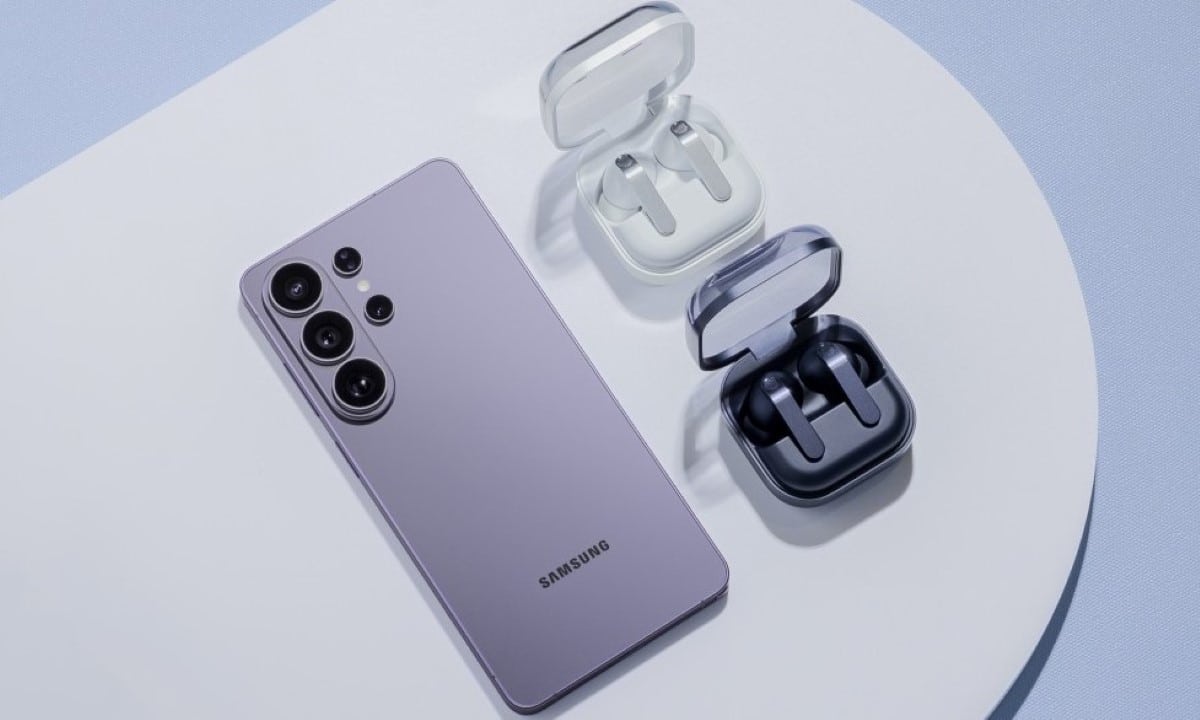
The energy autonomy of high-performance mobile devices continues to be one of the most determining factors for the adoption of new technologies by demanding consumers. The development of premium line devices requires manufacturers to balance extreme processing power with a battery capacity that supports continuous use throughout the day. Testes Rigorous laboratory and real-use simulations are applied to understand how new components affect daily load durability. Modern technical analysis goes far beyond simply measuring milliampere-hours, focusing on overall system efficiency and integration between hardware and software.
Power management has become a complex science that involves deeply adapting the operating system to the device owner’s routines. Telas with high refresh rates and high-end processors require a significant amount of electricity to function at maximum capacity, especially when performing intensive graphics tasks. Para prevent the device from discharging quickly, sophisticated algorithms monitor and adjust consumption in real time, reducing the processor clock when full power is not strictly necessary.
Users who depend on their smartphones for professional activities, constant communication and entertainment cannot tolerate unexpected interruptions. The standard expectation of the premium market has established that a device must support at least twenty-four hours of mixed use without needing to be connected to a power source. Failure to comply with this unofficial metric can result in severe criticism and loss of market share to competing brands that offer greater energy reliability.
The evolution of battery testing protocols reflects this practical need, abandoning static metrics in favor of highly dynamic and unpredictable scenarios. Avaliadores technicians simulate everyday human behavior, quickly switching between messaging apps, map navigation, high-resolution video recording, and gaming sessions. Essa approach ensures that published results are aligned with actual experiences, avoiding discrepancies between the manufacturer’s promise and final delivery.
Focus on power and hardware optimization
The internal architecture of new high-end smartphones is designed to extract the most from every drop of energy stored in the chemical cell. The central processor acts as the brain of this operation, distributing tasks between high-performance cores and energy-efficient cores, depending on the requirements of the application in use. Essa Smart Split allows background processes like email syncing to consume as little battery as possible.
In addition to the processor, display panel technology plays a key role in charge retention. Monitores Modern devices use variable refresh rates, which can drop to minimum levels when the screen displays a static image, such as a digital book page, and rise instantly when scrolling through a social media feed. Essa constant fluctuation saves a considerable percentage of energy over a full day of use, compensating for the extra expense generated by the intense brightness required in outdoor environments.
The power management integrated circuit acts as a silent conductor inside the device’s motherboard. Este component is responsible for directing the exact electrical current to the areas that need it in that specific millisecond, cutting off supply to inactive modules. The precision of this chip prevents thermal waste, ensuring that battery power is converted into useful processing and not excessive heat, which also protects the long-term physical integrity of the cell.
Consumption assessment methodology
Testing labs employ robots and automated scripts to ensure that each device is evaluated under strictly identical conditions. A standard test cycle involves continuous high-definition video playback, uninterrupted internet browsing over mobile networks, and running synthetic benchmarks that push the hardware to its thermal limit. Screen brightness is calibrated with photometric equipment to ensure that all devices emit the same amount of light during the evaluation.
The transition between different types of wireless connection is one of the critical moments analyzed in these tests. The effort that the internal modem makes to maintain the signal when switching between cell towers or when searching for known wireless networks consumes power spikes that often go unnoticed by users. Medir The impact of these transitions helps map the efficiency of the device’s antennas and communication firmware.
Impact of artificial intelligence on management
Machine learning-based systems continually analyze the owner’s usage patterns to predict which applications will be opened at certain times. If the system detects that a specific application is rarely used in the morning, it restricts that software’s access to system resources, preventing it from waking up the processor unnecessarily. Essa Predictive management reduces passive consumption, also known as standby drain.
Artificial intelligence also works to optimize charging, learning the times when the device is usually connected to the socket. Instead of quickly charging the battery to its maximum capacity and keeping it under stress, the system pauses charging at a safe percentage and only completes the process minutes before the user wakes up. Essa technique preserves the chemical health of the battery over the years.
Natural language processing and computational photography, features widely promoted by manufacturers, require intense mathematical calculations that drain the battery quickly. Para To mitigate this, chips dedicated exclusively to artificial intelligence tasks are incorporated, carrying out these operations much more efficiently than the main processor could, saving energy when capturing photos or translating texts in real time.
Advanced connectivity and networking requirements
Fifth-generation telecommunications infrastructure offers unprecedented download speeds, but comes at a high price in terms of energy consumption. Modems designed to capture these frequencies need to operate with greater power, especially in areas where coverage is still irregular or the signal is interfered by physical obstacles.
To overcome excessive drain, devices are programmed to automatically fall back to older generation networks when the maximum speed is not required by the task at hand. Ouvir Streaming music, for example, does not require the full bandwidth of the most advanced network, allowing the modem to operate in a lower consumption state.
Satellite-based location services pose another significant challenge to device autonomy. Aplicativos transportation, maps and fitness constantly request geographic coordinates, activating multiple receivers simultaneously to guarantee millimeter precision in routes.
Short-range connections to headphones, smart watches, and automotive systems keep the device in a continuous state of alert. Embora modern wireless communication protocols are designed for low consumption, the sum of multiple peripherals connected simultaneously creates a constant load that gradually reduces the battery percentage throughout the day.
Internal components and thermal management
Heat dissipation is intrinsically linked to the energy efficiency of any portable electronic device. Quando Processors operate at high temperatures, the electrical resistance of internal circuits increases, which means more energy is needed to perform the same task. Câmaras vapor and advanced thermal interface materials are installed to move heat away from critical components, spreading it across the chassis structure to be dissipated into the environment.
The physical design of the batteries also undergoes constant redesign to maximize energy density without increasing the volume of the device. Novas Chemical compositions and cell stacking techniques allow manufacturers to fit more milliampere-hours into the same physical space. However, these innovations require extremely precise voltage controllers to avoid instabilities and ensure that power delivery is linear from full charge to system shutdown.
Positioning in the premium device market
Competition in the high-cost smartphone segment is defined by narrow margins of technical superiority. Consumidores Those willing to invest large amounts of money in a mobile device expect that the embedded technology does not require compromises in their routine. The ability to leave home in the morning, use cameras, maps, social networks and productivity tools intensively, and still return at night with a residual charge, has become the industry gold standard. Fabricantes that fail to deliver this reliability face difficulties justifying the price positioning of their products, regardless of how advanced the other features they offer, such as innovative design or exceptional photo quality. The history of previous launches creates additional pressure, as each new generation must necessarily surpass or at least match the efficiency of its predecessor, even when dealing with much more powerful and demanding internal components.
High performance consumer expectations
Tolerance for battery failures at critical moments is practically zero among corporate audiences and content creators. Dependence on the device as a central work tool requires autonomy to be predictable, allowing the user to plan their day without the constant anxiety of searching for an available outlet.
Advances in Fast Charging and Lifespan
As compensation for the physical limits of energy storage, rapid charge replenishment technologies have evolved exponentially. Adaptadores high-power devices can inject hours of autonomy into just a few minutes of connection, changing the dynamics of how people manage the energy of their devices.
This recharge speed, however, creates additional thermal stress on the power cell. Para ensure component safety and longevity, dual cooling systems and current modulation algorithms are implemented, ensuring that the convenience of ultra-fast charging does not result in premature degradation of the battery’s total capacity after a few months of heavy use.



