
Rumors indicate launch of Nintendo Switch 2 with special edition and remake of Zelda Ocarina of Time

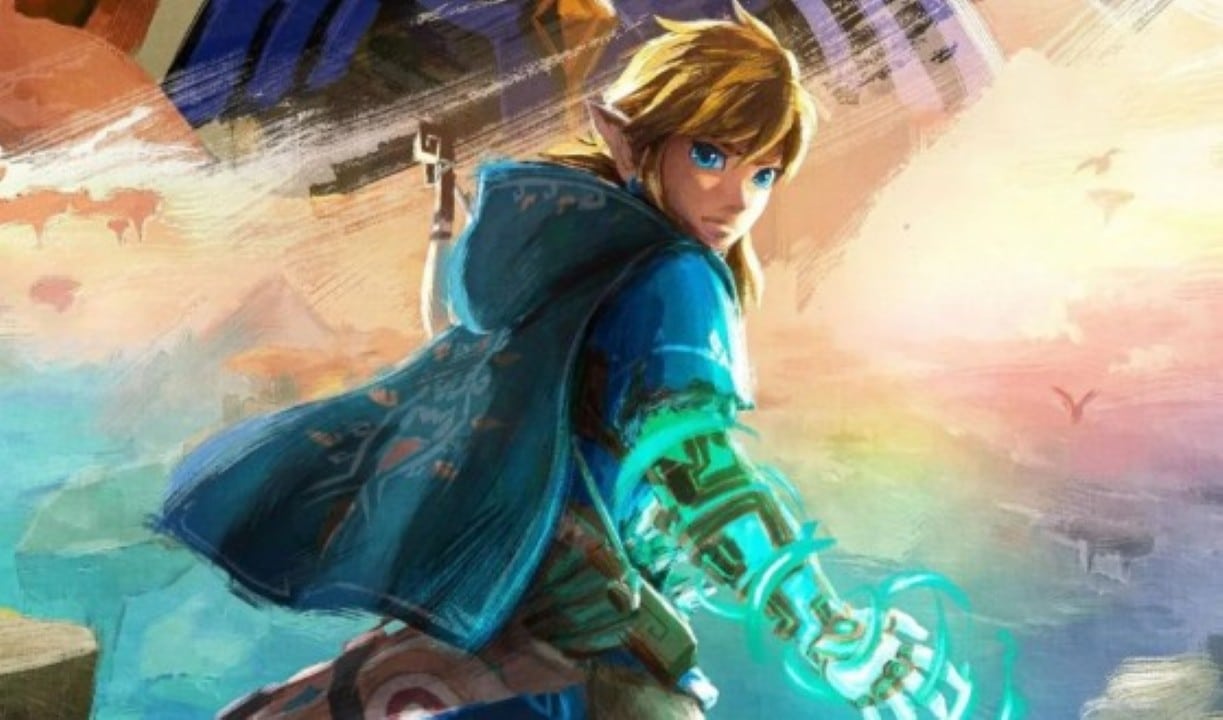
The video game industry follows recent movements regarding the next generation of hardware from the Japanese company responsible for the Mario and Zelda franchises. Informações behind-the-scenes information points to an aggressive market strategy involving the long-awaited Nintendo Switch 2 and the return of one of the most acclaimed games in the history of digital entertainment. The sector projects that the official unveiling of the device will take place in the coming months, changing the global competitive scenario.
The focus of speculation is on the development of a themed edition of the new console, aimed specifically at fans of the The Legend of Zelda franchise. The tactic aims to boost initial sales of the device right in its launch window, ensuring a robust installed base from day one. Edições Specials tend to sell out quickly on shelves, creating a sense of urgency among consumers and collectors of technology products.
『ゼルダの伝説時のオカリナ』のメジャーリメイク版,
(ソース:https://t.co/Isv8LRAJxQ) pic.twitter.com/NQfhSRF9CE
—DiscussingFilm (@DiscussingFilm)2026 年 3 月 27 日
In addition to the exclusive design of the equipment, unofficial data indicates that the inaugural package will feature a complete remake of The Legend of Zelda: Ocarina of Time. The classic title would undergo a total graphical overhaul to demonstrate the processing power of the new system, serving as the main technological showcase of the newly launched hardware. The combination of an unprecedented device with a work of historical weight represents a move calculated to dominate the attention of the specialized media.
Technical specifications and backwards compatibility of the new system
The hardware of the Nintendo Switch 2 remains under absolute secrecy from the manufacturer, but technology analysts project significant leaps in overall performance. The internal architecture must support higher resolutions and stable frame rates, bringing the portable platform closer to the current standards required by large developers. Essa Component updates are essential to ensure that the device receives multiplatform game adaptations throughout its life cycle.
One of the central points of the discussions involves the device’s internal storage capacity and data reading speed. With modern game file sizes increasing significantly, the inclusion of faster, more expansive memories becomes a technical requirement to accommodate high-definition textures and complex open worlds. The transition to more efficient storage media also reduces loading times, improving the fluidity of the user experience.
Backward compatibility appears as a determining factor for the transition of users from the current generation to the new machine. The possibility of running the existing library of the first Nintendo Switch on the new device guarantees the preservation of investments made by consumers over the last few years. Especialistas from retailers point out that maintaining access to old games facilitates the decision to purchase new hardware, mitigating the natural resistance to switching platforms.
Experts point out that maintaining the hybrid format, which allows use on both televisions and in portable mode, will continue to be the brand’s competitive differentiator. Smooth transition between game modes requires components that are efficient in terms of power consumption and heat dissipation. The improvement of the integrated screen, possibly maintaining the OLED technology seen in the most recent revisions of the previous model, is another expected feature for the new equipment.
Sales strategy with special hardware editions
The commercialization of consoles with visual identities based on major franchises represents a consolidated and highly profitable practice in the digital entertainment sector. A version of Nintendo Switch 2 inspired by the universe of Hyrule has the potential to attract both new buyers and collectors willing to purchase multiple versions of the same hardware. Visual details often include unique colors on detachable controllers, charging dock markings, and custom user interfaces that reflect the aesthetics of the accompanying game. Essa Product segmentation allows the manufacturer to maximize profit margins on each unit sold during the launch period.
The simultaneous launch of a themed piece of equipment and a major game creates an ecosystem for immediate consumption that benefits the entire production chain. Essa approach reduces the risks inherent in introducing a new platform to the market, ensuring a robust installed base in the first weeks of availability. The manufacturer has used a similar tactic in the past, linking the initial success of its devices to the immediate availability of new adventures or recreations of absolute classics. The alignment between hardware and software demonstrates complex logistical coordination, aiming to dominate global sales charts and establish a competitive advantage at the beginning of the new generation.
The historical weight of the sixty-four-bit era classic
Originally released in 1998, The Legend of Zelda: Ocarina of Time redefined the parameters of three-dimensional game design, introducing lock-on and space exploration mechanics that have become absolute standards in the software development industry. The recreation of this historic landmark for Nintendo Switch 2 carries the immense responsibility of modernizing controls and graphics without losing the essence that guaranteed the title the highest position in several rating aggregators from specialized critics around the world. Desenvolvedores face the challenge of balancing the nostalgia of veteran gamers, who demand fidelity to the source material, with the expectations of a new generation of consumers accustomed to complex physics systems, advanced artificial intelligence and cinematic storytelling. The modernization of textures, the implementation of dynamic lighting in real time, the expansion of iconic scenes and the complete orchestration of the original soundtrack are essential technical elements to justify the re-release of a work with such a cultural and commercial impact. The project requires a massive investment in human and technological resources to ensure that the new version reaches the same level of technical excellence that the original game achieved in its time.
Impact on the digital entertainment market
The arrival of a new console from Nintendo changes the competitive dynamics between the main video game hardware manufacturers on a global scale. The company has historically chosen not to compete directly on raw processing power, focusing instead on interface innovation, portability, and unique intellectual properties that cannot be found on competing platforms. Esse Unique positioning allows the device to coexist peacefully with other systems on the market.
Investors closely monitor the company’s movements, as the life cycle of the original model exceeded traditional industry averages, maintaining a significant sales volume for years. A successful transition to Nintendo Switch 2 is critical to maintaining the company’s share value and long-term revenue stability. The official announcement of the device is expected as a catalyst for new investments in the technology sector.
The resale market and retail chains are also preparing for high initial demand by organizing special distribution schemes. The stores focus on fundamental logistical aspects for the launch period:
– Gestão strict regional stocks to avoid shortages.
– Sistemas protection against automated purchases by scalping robots.
– Distribuição balanced between physical stores and e-commerce platforms.
– Treinamento from teams to demonstrate new hardware features.
Expectations for the graphical and mechanical redesign
The transition from Ocarina of Time to a contemporary graphics engine requires rebuilding character, enemy, and scenery models from scratch. The art direction will need to translate the polygonal look characteristic of the late nineties into an aesthetic that matches the visual standards established by the most recent games in the series, maintaining the visual identity recognized by the public. Locais Emblems from the original game will undergo an expansion in scale and detail.
Combat and navigation mechanics must also undergo structural revisions to eliminate limitations imposed by the original hardware of the time. The fluidity of movement, the adaptation of the camera to the new analogues and the modernization of the inventory system are strictly necessary steps to adapt the experience to current usability standards. The goal is to deliver responsive gameplay that meets modern interface design criteria.
History of releases linked to major franchises
The strategy of linking the success of new hardware to a title in the Zelda series has proven its absolute effectiveness in previous years, specifically with the arrival of Breath of the Wild. The game served as the main demonstration of the hybrid console’s capabilities, driving massive sales on day one and ensuring the immediate adoption of the platform by the enthusiast public. The symbiosis between innovative software and versatile hardware dictated the pace of the market.
Repeating this tried and tested formula with Nintendo Switch 2 demonstrates the company’s confidence in the unwavering strength of its proprietary brands. The creation of a package that combines the technological innovation of the new device with the commercial appeal of an extremely sought-after remake forms a value proposition that is difficult for the target audience to ignore. The tactic reinforces the manufacturer’s position as a leader in creating closed entertainment ecosystems.
Official position and await formal announcements
To date, the manufacturer has not issued official statements confirming the specifications of the new console, the existence of the themed edition or the development of the remake mentioned in the rumors. The gaming community, partner developers and financial market analysts await the company’s traditional digital presentations for the formal and detailed reveal of the strategic plans for the next generation of interactive entertainment platforms.



