
Transit fee through the Strait of Hormuz varies depending on friendship with Iran, according to Bloomberg

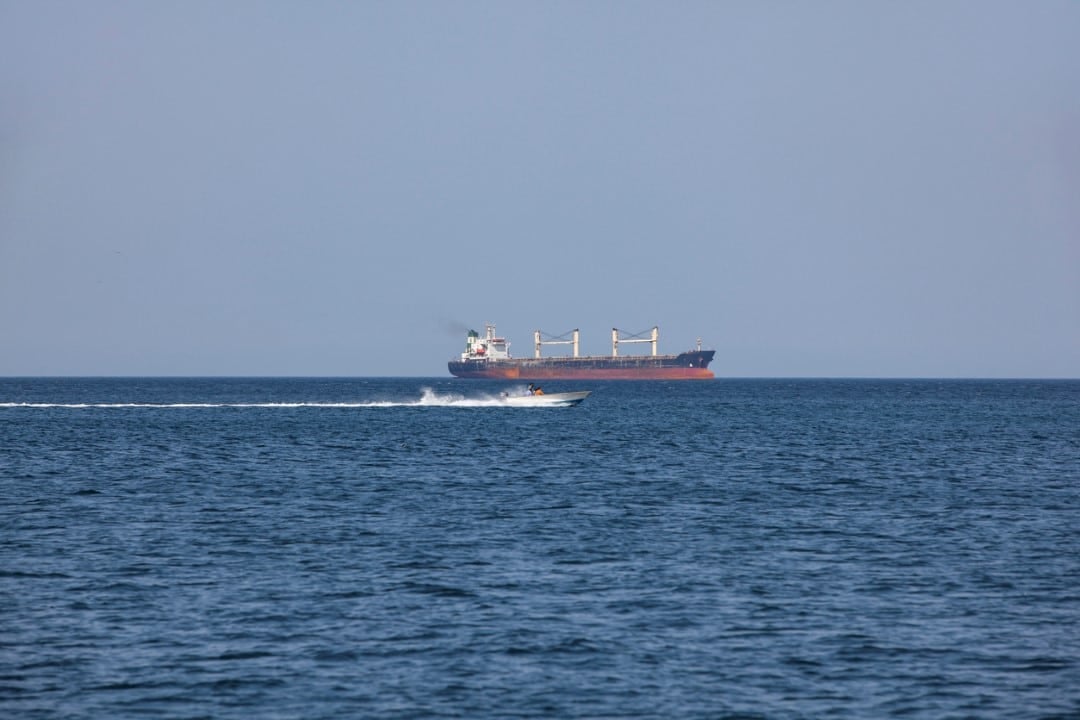
Irã has implemented a charging system for the passage of tankers through Estreito of Ormuz. The fee corresponds to around US$1 per barrel of crude oil, with payment made in Chinese yuan or cryptocurrencies. Autoridades Iranian authorities demand that vessels fly the flag of a country considered friendly and follow specific routes designated by Guarda Revolucionária. The strait remains restricted in transit since the worsening of tensions in the region.
Large ships, such as VLCCs with capacity to transport up to two million barrels, need to provide information about flag and destination to intermediaries linked to Guarda Revolucionária. Após analysis of the data, negotiations begin for payment of the fee. Once the deposit is confirmed, authorities issue a permission code and define the escort route with patrol boats.
Friendship level rating system
Irã divides countries into five friendship categories. Passage conditions and the effective value of the fee may vary depending on the degree of diplomatic and commercial relationship with Teerã. Países classified as closer face fewer restrictions and lower costs.
Shipping companies report that at least two vessels have already made direct payments under this regime. The system functions as a mandatory control point for anyone wishing to cross the strategic sea route.

Pakistan acts as mediator and obtains permission for ships
The Pakistani government received authorization for 20 ships flying the country’s flag to transit the strait. Autoridades of Islamabad contacted large commercial companies to relocate flags and facilitate the transport of essential cargo.
Paquistão holds talks with Irã and other regional actors in an attempt to reduce tensions between Washington and Teerã. Essa mediation includes efforts to re-establish broader trade flows in the Golfo region.
Two Pakistani ships must cross daily under the agreement reached. The number of Pakistani-flagged vessels under Golfo is still limited, which requires operational adjustments by companies.
Reaction from the president of Estados Unidos
President Donald Trump criticized the Iranian stance and suggested that countries affected by the restriction seek independent alternatives. Ele declared that nations unhappy with the blockade should “go get their own oil” in the strait.
The statement came amid frustrations with allies who have not cooperated in previous actions in the region. Trump reinforced that Estados Unidos have their own supplies and that other governments need to take greater responsibility for the security of their energy routes.
Operational details of Iranian control
When a ship approaches the controlled area, Iranian teams send patrol boats to accompany the vessel along the authorized route. Todo The process requires prior communication and step-by-step approval.
Maritime intelligence companies confirm that the “toll” regime already operates in practice in parts of the strait. Navios from countries considered allies, such as China, Rússia, Índia, Paquistão and Iraque, receive different access treatment.
- Friendly countries can negotiate more favorable transit conditions.
- Vessels from nations with strained relations face greater scrutiny and additional costs.
- Payments occur in alternative currencies to the dollar, such as yuan or stablecoins.
- Designated routes avoid traditional central areas of the strait.
Impact on global oil flow
Estreito of Ormuz represents one of the most important routes for the maritime transport of crude oil and liquefied natural gas. Restrições directly affect the international energy supply.
Shipping companies adjust operations to meet requirements imposed by Iranian authorities. The system includes verification of crew, cargo and final destination before release.
The Iranian government justifies the measures as a way of managing the security of the waterway during a period of regional instability. Negociações continue in parallel for possible adjustments to the passing scheme.
Step-by-step procedure for authorization
Vessels must submit complete data to intermediaries linked to Guarda Revolucionária Iraniana. The analysis includes checking the flag and diplomatic alignment of the country of registration.
After initial approval, the parties negotiate the exact amount of the transit fee. Payment is confirmed in yuan or cryptocurrency before the permission code is issued.
Escort with speedboats only occurs after all stages are completed. Esse flow ensures effective control over who passes through the area.
The mechanism represents a gradual formalization of Iranian control over the strait. Países Those interested in maintaining energy trade are seeking diplomatic channels to increase the number of authorized ships.



