Users of older models face VoLTE blocking and total loss of signal on the Docomo network

Japanese operator NTT Docomo has officially confirmed the existence of a critical technical flaw that prevents voice calls and data traffic from working on several models of 4G smartphones. The problem began to be reported on a large scale shortly after the definitive closure of the company’s 3G network services, which occurred on March 31st. Preliminary Investigações indicate that the error resides in the internal configuration of the devices, which no longer recognize modern communication protocols after the old infrastructure was deactivated.
The incident directly affects VoLTE functionality, an essential system for making high definition voice calls over the fourth generation network. According to technical reports, the network settings on the affected devices were permanently disabled, preventing the user from manually activating the service. Além from the inability to make or receive calls, the operator’s customers also face the complete interruption of access to mobile internet in areas where the 3G network is no longer present.
Technical details and models affected by the systemic failure
NTT Docomo identified that the failure primarily affects devices launched between the end of 2016 and the beginning of 2017, known as winter models at the time of their arrival on the market. Até At the moment, three specific devices have been confirmed as the most affected by the software error that blocks synchronization with transmission towers. The company continues to monitor the network to check whether other models of the same generation may also experience instability in the coming days.
The devices listed in the current investigation are as follows:
- P-smart Keitai P-01J, developed by Panasonic.
- AQUOS Keitai SH-01J, manufactured by Sharp.
- Raku-Raku Phone F-02J, aimed at the elderly.
The exact source of the outage appears to be linked to a combination of technical factors, including the version of the SIM card installed and the updated firmware from each manufacturer. Quando these specific conditions are met, the cell phone’s operating system automatically deactivates the Voz option over LTE, which was previously compensated by the 3G network. Sem the old network to serve as support, the device completely loses the ability to communicate with the NTT Docomo service center.
Impact on voice communication and network connectivity
The VoLTE failure resulted in an atypical scenario where the device’s settings menu is stuck, making any direct intervention by the common consumer impossible. Normalmente, the system should allow switching between network modes, but the error causes the activation button to appear gray, indicating unavailability. Este software crash is what is causing most of the complaints at the operator’s technical support centers at Japão.
The situation is worsened by the fact that the interruption is not limited to voice alone, severely affecting the flow of data packets. NTT Docomo clarified that although VoLTE is technically a calling service, its failure in this specific context is taking down all device authentication on the 4G network. Sem this valid authentication, users are unable to access social networks, instant messaging services and internet browsers via mobile network.
The carrier’s engineering team said it is working on a software solution that can be pushed remotely to devices, although this depends on the device’s ability to briefly connect to a Wi-Fi network. Enquanto the definitive fix is not released, the recommendation is that customers look for connectivity alternatives to report persistent problems. The company reiterates that the 3G network shutdown schedule was necessary for the expansion of 5G, but that the incompatibility generated in the 4G terminals is being treated as a top repair priority.
Recommended procedures for signal recovery
For users who are still facing difficulties, NTT Docomo has published a guide on basic procedures that can force the reactivation of the communication system in some cases. The first step is to completely turn off the device, followed by physically removing and reinserting the SIM card into the side compartment. Este process forces the hardware to perform a reconnaissance of network credentials, which can temporarily restore voice and data functions.



In addition to a hard reset, technicians recommend a deep check of the configuration menus to ensure automatic updates are enabled. On devices with system Android, the user must navigate to the mobile network settings and verify that the 4G calling option is selected. Para Those who use Apple devices or customized interfaces, it is necessary to ensure that the voice and data selection is configured specifically for VoLTE mode, preventing the system from searching for non-existent networks.
The operator emphasizes that, if the settings menu remains inaccessible or if the activation button remains blocked after manual tests, the customer must look for a physical service unit. Nesses locations, technical teams have diagnostic tools capable of resetting network settings without the need to completely format the device. NTT Docomo is providing enhanced service in its stores to deal with the growing volume of devices that require direct manual intervention.
Technology transition analysis and consumer support
The closure of legacy technologies such as 3G is a natural step in the evolution of global telecommunications, aiming to free up frequencies for faster and more stable networks. However, the Japanese case demonstrates that the transition can present unforeseen challenges for millions of users who still depend on mid-generation hardware. The failure of 4G models highlights the complexity of maintaining compatibility between different layers of network infrastructure and proprietary software from different manufacturers.
Industry experts indicate that similar problems may occur in other countries that are in the process of disconnecting their analogue and third generation networks. The lesson learned from the NTT Docomo event suggests that carriers need to step up firmware testing on older devices before turning off support signals. Transparency in reporting errors is seen as a positive point for the Japanese operator, which quickly admitted the error to avoid rumors about cyber attacks or widespread infrastructure outages.
A empresa ainda não forneceu um prazo definitivo para o restabelecimento total de todos os serviços nos aparelhos afetados, mas garante que os custos de reparo ou substituição do cartão SIM serão cobertos integralmente. The priority now is to ensure that users from vulnerable groups, such as elderly people who use the Raku-Raku line, are not isolated in emergency situations. NTT Docomo continues to monitor signal traffic in real time to identify new areas of instability and apply preventive fixes to core servers.
Perspective on global mobile infrastructure
The modernization of telephone networks requires a constant balance between technological advancement and the maintenance of essential services for the population. Full migration to the VoLTE standard is a global requirement that aims to optimize the use of the electromagnetic spectrum, but requires that both the network and the terminal are in perfect synchronization. The incident at Tóquio serves as a warning to device manufacturers about the need for long-term support for security updates and communication protocols.
Currently, NTT Docomo’s infrastructure is one of the most advanced in the world, serving as a model for large-scale 5G implementations on several continents. The fact that 4G models have problems after the end of 3G shows that even the most robust systems have hidden dependencies on older technologies. The resolution of this case will be essential to define new transition protocols that guarantee that no user loses the basic right to communication during network upgrades at a national level.
As the detailed investigation progresses, new data will be shared with the manufacturers involved to prevent similar errors from occurring in future releases. The commitment to network stability continues to be the central pillar of NTT Docomo’s strategy for the next years of operation. The company concluded the statement by reaffirming that all of its digital and in-person service channels are prepared to offer immediate technical support to any customer who presents the symptoms described in the connectivity failure reported this week.
Veja Tambem em News (EN)

Research reveals that parents are unaware of how their children use artificial intelligence

Samsung releases new system update with new features for Galaxy Watch 4 users

Digital retail reduces the value of the Galaxy S25 5G smartphone with bank bonuses and device exchange
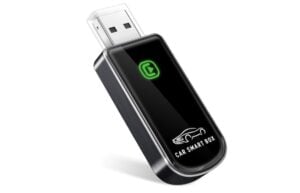
Amazon’s wireless CarPlay adapter has a 50% discount and high approval ratings from drivers

Zach Cregger’s new Resident Evil ignores games and focuses on an unprecedented story with new characters

Rumor suggests that Nintendo is preparing a special edition of the Switch 2 with a remake of Ocarina of Time

Apple accelerates production of the iPhone 17e and develops new Air model with dual camera system

Epic Games platform releases twelve high-budget games at no permanent cost for PC users

PlayStation 5 Pro price drop accelerates digital retail sales and eliminates global stocks

New Galaxy Watch 9 firmware appears on server and confirms progress in software development

Apple’s commemorative project tests cell phone with 1.1 millimeter edge and curved screen for 2027