
Who is the physicist who inspired the Netflix series about the cesium-137 accident in Goiânia

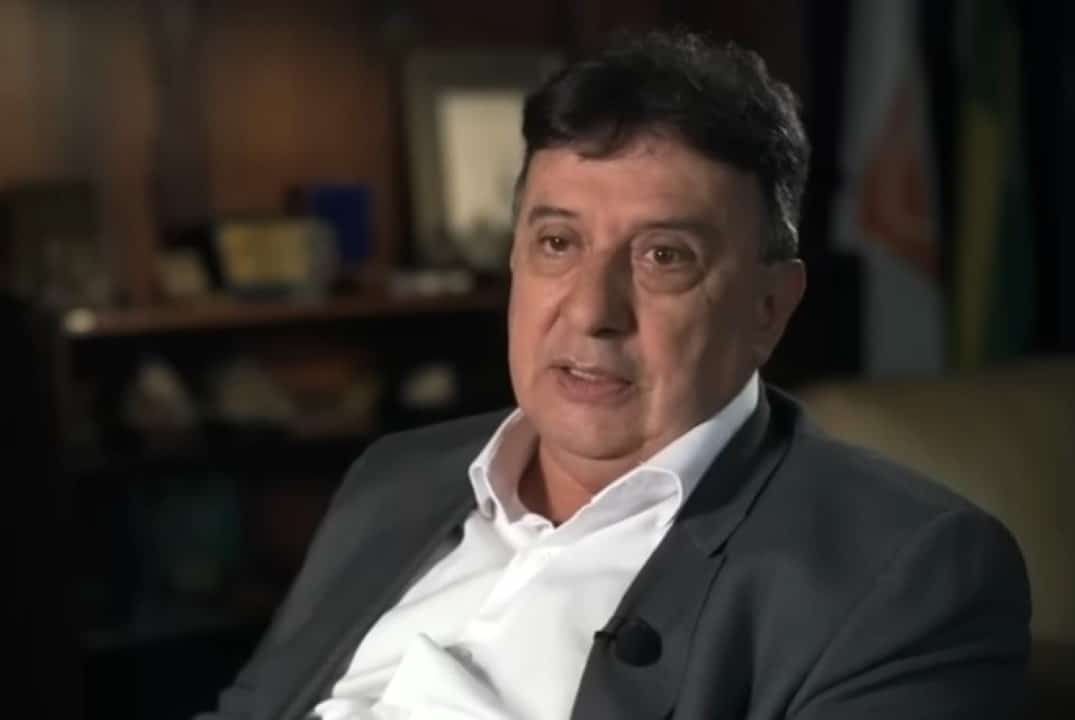
Physicist Walter Mendes Ferreira played a decisive role in identifying the accident with cesium-137 that occurred in Goiânia in September 1987. Aos 29 years old, he was called to analyze an unknown substance left in Vigilância Sanitária inside a plastic bag. Using an ionizing radiation measuring device, he confirmed the high levels of radiation and advised immediate evacuation of the location. The action allowed the isolation of the affected areas and the start of official notifications to Comissão Nacional of Energia Nuclear.
Born in Minas Gerais, Walter Mendes Ferreira, he is married and has two children. Ele has a degree in physics, with a postgraduate degree in radiological protection and nuclear safety from Universidade of Buenos Aires and a master’s degree in nuclear engineering from Instituto Militar of Engenharia in Rio of Janeiro. Atualmente at 73 years old, he holds the position of head of Walter Mendes Ferreira0 of Walter Mendes Ferreira1 of CNEN.
- He worked directly with victims who presented symptoms such as nausea, dizziness, vomiting and diarrhea.
- Contributed to the mobilization of specialized teams after confirmation of contamination.
- Participated in actions that involved monitoring more than 112 thousand people on Estádio Olímpico.
The accident began on September 13, 1987, when two people removed an abandoned radiotherapy device from a deactivated clinic. The material was taken to a scrapyard, where the cylinder was opened and the shiny powder distributed among family members and acquaintances. The wife of one of those involved took the capsule to Vigilância Sanitária on September 28, which led to the analysis carried out by Walter Mendes Ferreira the following day.
Initial role of the physicist in the radiological accident
Walter Mendes Ferreira was called to examine the suspicious substance that remained in Vigilância Sanitária for a day. Ele used detection equipment and immediately identified the high radiation risk. Based on this finding, isolation and evacuation procedures were advised to avoid greater exposure of people present at the location.
Official notification of the case went to Comissão Nacional of Energia Nuclear, which reported the incident to Agência Internacional of Energia Atômica. Essa sequence of actions allowed the coordinated initiation of containment measures in Goiânia. The physicist was part of the efforts involved decontamination of areas and initial assistance to affected people.
Remember the beginning of cesium-137 contamination
The table salt-like powder emitted a blue glow in the dark and was handled by several people without knowing the danger. Sintomas quickly appeared among those who had direct contact with the material. The sale of the device to the owner of the scrap yard expanded the distribution of fragments in the central region of the city.
Local residents and workers reported immediate effects after handling the substance. The capsule was transported in a plastic bag to the health agency, where it remained until technical intervention. The precise identification of the radioactive nature prevented the material from being inappropriately disposed of in streams or other environments.
Training and professional trajectory of Walter Mendes Ferreira
The specialist accumulated experience in radiological protection over the decades following the accident. Ele assumed responsibilities at CNEN and contributed to the development of nuclear emergency response protocols. Sua activities included strengthening public information systems and carrying out educational activities.
Currently, Walter Mendes Ferreira leads the division responsible for radiological emergencies at the national body. Ele participates in initiatives that aim to improve communication with the population and training of technical teams. The work includes lectures and courses that serve thousands of students per year on Centro Regional, Ciências Nucleares, Centro-Oeste.
Role in creating protocols after the accident
The actions carried out in Goiânia resulted in the improvement of procedures for characterizing radioactive waste and decontaminating areas. Instituições incorporated new communication practices with the public and media. Medical care for radiation victims gained more robust structures based on the lessons observed.
International organizations adopted advances arising from the response to the incident. The physicist highlighted the importance of joint work between different entities and strengthening regulatory power. Essas changes helped establish a specific legal framework for similar situations.
Inspiration for recent audiovisual production
Walter Mendes Ferreira served as a reference for the construction of a character in the miniseries Emergência Radioativa, made available by Netflix. Actor Johnny Massaro played the figure inspired by the physicist. The production revisits the events of 1987 and portrays aspects of the identification and containment of contamination.
The series brought greater visibility to the case and the professionals involved at the time. Walter Mendes Ferreira followed the renewed interest in the topic and reinforced the need to maintain the memory of the accident. Ele continues to be active in the area of nuclear safety.
Continuous monitoring of victims and waste
The accident resulted in four direct deaths between Síndrome Aguda and Radiação between October 1987. The victims included a six-year-old child, the wife of one of those involved, a 20-year-old and another 18-year-old. Mais of 249 people had confirmed contamination after screening more than 112 thousand individuals.
Around 6 thousand tons of radioactive waste were generated and permanently stored in Abadia of Goiás. Centro of Assistência at Radioacidentados maintains medical monitoring of victims and descendants. Esse Monitoring persists almost 39 years after the events.
Physicist Walter Mendes Ferreira emphasizes the importance of not forgetting the episode. Ele worked directly with those affected and contributed to actions that mitigated major consequences. Sua trajectory reflects continued commitment to Brasil radioprotection.



