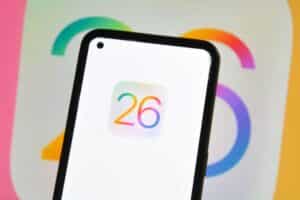
Xiaomi plans to copy Apple’s strategy and adopt nomenclature 26 for HyperOS and flagships
Xiaomi considers a significant change in the way it names its main products. The Chinese company is considering skipping the current HyperOS 3.1 operating system sequence directly to version 26. At the same time, sources indicate that the flagship smartphone line may be named Xiaomi 26 instead of following the expected numbering. Essa initiative seeks to create greater clarity for consumers by aligning software and hardware with the year of launch.
Information leaked by reliable leakers indicates that the strategy aims to eliminate the perception of a gap between device generations and system updates. Atualmente, HyperOS 3.1 represents the latest stable build on many devices. The transition to HyperOS 26 would reinforce the idea of perfect synchronization, making it easier for the user base to understand the product lifecycle.
- Year-based naming simplifies identifying software relevance.
- Consumers can quickly associate the cell phone model with the operating system version.
- The approach reduces confusion common in ecosystems with multiple simultaneous generations.
This possible renaming follows patterns already seen in major brands in the sector. Xiaomi has already adopted terms such as Pro Max in recent launches to bring visual identity and market positioning closer together. Agora, the company extends the logic to the software and to the main numbering of the flagships, with the aim of strengthening the perception of premium.
Details of the possible change in the operating system
The current version of HyperOS 3.1 covers several of the brand’s devices, including models Xiaomi, Redmi and POCO. Especialistas observe that traditional incremental numbering generates, over time, an apparent distance between the update number and the year in which it hits the market. The jump to HyperOS 26 would eliminate this gap and provide greater transparency about the support offered.
Internal company sources mention that the update is still under development. The focus remains on integration with recent technologies, such as improvements in artificial intelligence and improved connectivity between devices. Xiaomi does not officially confirm the plans, but discussions on specialized forums indicate that the topic is gaining traction among product teams.
Synchronization between hardware and software would also benefit marketing. A user who purchases a Xiaomi 26 in 2026 would receive HyperOS 26 out of the box or via immediate update. Essa Clarity helps with purchasing decisions and reinforces the image that high-end devices maintain parity with global competitors.

Market reactions and context
Analysts closely monitor any changes in Xiaomi’s branding strategy. The brand has consolidated a strong presence in cost-benefit and premium segments, especially in Ásia and in emerging markets. Adopting similar conventions to rivals like Apple and Samsung could appeal to consumers who value consistency in naming.
The company has already demonstrated flexibility by adjusting specific line names. The increasing use of designations like Pro Max on recent cell phones has set the stage for broader changes. In the case of software, alignment with the launch year represents an additional step in this direction.
Developers and beta testers report continued advancements in HyperOS, with an emphasis on stability and new features. The possible renaming does not change the technical timeline, but it reorganizes the way updates are presented publicly.
Synchronization strategy between hardware and software
Xiaomi works on the simultaneous development of new flagships and the next major system update. Fontes close to the company state that internal planning prioritizes harmony between the device name and the HyperOS version. Essa measure simplifies communication with the public and prevents users from needing to consult complex compatibility tables.


In 2026, the launch of a Xiaomi 26 running HyperOS 26 would convey a direct message about product positioning. The approach eliminates ambiguities common in long update cycles and reinforces the feeling that the ecosystem evolves in an organized manner.
The initiative reflects the brand’s ongoing effort to compete on an equal footing with manufacturers that dominate the global premium segment. Transparency in nomenclature contributes to greater consumer confidence in the durability and support offered to devices.
Current project development
Teams at Xiaomi advance in refining both hardware and software. Embora the main focus remains on HyperOS 3.1 in stable distribution, preparations for the next major version continue in parallel. The possible HyperOS 26 would incorporate optimizations based on the latest Android and brand-specific interface improvements.
The rumor still needs official confirmation. Xiaomi usually remains silent about naming changes until the products are formally announced. Mesmo Thus, consistent leaks from specialized accounts keep the topic in the spotlight in the technology community.
Current model users should continue to receive regular HyperOS 3.1 updates as per the planned schedule. The transition to new nomenclatures would mainly affect future launches, with no immediate impact on devices already sold.
Possible benefits for the consumer
Clarity in version identification helps buyers quickly understand the update level available. A system named according to the year facilitates comparison between different generations and clarifies the expected support period. Essa Transparency gains relevance in a market where software longevity influences the decision to change devices.
Xiaomi seeks to position its products as mature and well-integrated options. The strategy also aligns the perception of value with the investment made by the user when choosing a top-of-the-line model.
Experts highlight that consistency in naming helps to strengthen brand loyalty. Consumidores that follow the Xiaomi ecosystem tend to value predictable and easy-to-understand updates.
Next steps awaited
The company continues internal work on hardware and software projects for 2026. Qualquer final decision on names will be communicated at the appropriate time, probably during launch events or through official communications. Até there, HyperOS 3.1 remains the stable reference for millions of users around the world.
The possible change reflects a greater tendency in the technology sector to adopt conventions that facilitate the consumer experience. Xiaomi follows this movement when evaluating the rename to HyperOS 26 and line Xiaomi 26.
Veja Tambem em News (EN)

Research reveals that parents are unaware of how their children use artificial intelligence

Samsung releases new system update with new features for Galaxy Watch 4 users
Digital retail reduces the value of the Galaxy S25 5G smartphone with bank bonuses and device exchange
Amazon’s wireless CarPlay adapter has a 50% discount and high approval ratings from drivers

Zach Cregger’s new Resident Evil ignores games and focuses on an unprecedented story with new characters

Rumor suggests that Nintendo is preparing a special edition of the Switch 2 with a remake of Ocarina of Time

Apple accelerates production of the iPhone 17e and develops new Air model with dual camera system

Epic Games platform releases twelve high-budget games at no permanent cost for PC users

PlayStation 5 Pro price drop accelerates digital retail sales and eliminates global stocks

New Galaxy Watch 9 firmware appears on server and confirms progress in software development

Apple’s commemorative project tests cell phone with 1.1 millimeter edge and curved screen for 2027