
Xiaomi starts global rollout of HyperOS 3.1 with optimizations and new features

Xiaomi has started rolling out the stable version of HyperOS 3.1 to the first batch of devices on the global market. The update initially reached models at Europa and brings user interface refinements, system-level optimizations and improvements in compatibility between devices. Usuários of affected devices can check the availability of the update directly in the device settings. The company plans to expand the rollout to other regions in the coming days.
HyperOS 3.1 introduces enhancements that refine users’ everyday experience. Entre The changes include optimizations that improve general performance and interface adjustments for greater fluidity in interactions. The version also expands integration with external ecosystems, including better compatibility with devices from other brands. Esses adjustments result in smoother navigation and faster system responses.
- Models in the Xiaomi 17 series receive the update with region-specific firmware Europa.
- Tablets like POCO Pad and Redmi Pad Pro integrate the new Smart Island on the screen.
- System applications have been rewritten for greater fluidity and visual consistency.
- Animations and transitions have received refinements that reduce noticeable crashes.
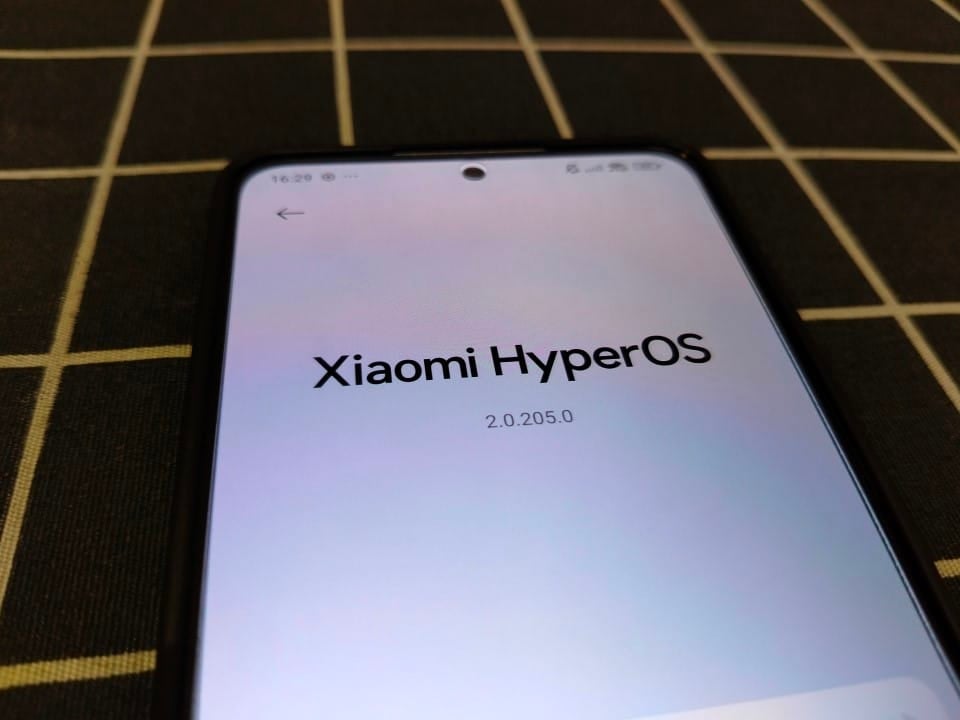
New features come to smartphones and tablets
The Android 16-based update focuses on refinements that increase usability without drastically changing the base design of HyperOS. Desenvolvedores from Xiaomi rewrote several core components to deliver more agile responses and lower resource consumption. Usuários report more natural transitions between applications and greater stability during prolonged multitasking.
HyperOS 3.1 also improves privacy tools and allows for deeper customizations on the lock screen and quick notifications panel. The integration between smartphones, tablets and other accessories in the ecosystem is reinforced with protocols that facilitate data transfer and cross-control of functions. Esses elements contribute to a more cohesive environment on connected devices.
A distribuição começou com a Xiaomi 17 e a Xiaomi 17 Ultra na Europa, identificadas pelos builds OS3.0.301.0.WPCEUXM e OS3.0.301.0.WPAEUXM respectivamente. POCO tablets Pad and Redmi Pad Pro share the same OS3.0.301.0.WNSEUXM firmware in the region. Xiaomi should extend the update to other global markets soon, following the gradual release pattern.
Details about compatibility and expansion
The initial phase prioritizes the most recently launched high-end models. Dispositivos from the Xiaomi series 17 are among the first to receive the stable version outside of China. Tablets from the Redmi line and POCO are also included in this initial wave, which demonstrates the brand’s commitment to updating products from different categories.
Eligible users should access the Sobre menu on their phone and tap the HyperOS logo to check update availability. The installation process takes place via OTA and requires a stable internet connection. Xiaomi recommends backing up your data before applying any system update.
Performance and interface improvements



Xiaomi has applied system-level optimizations that result in faster app loading and less heat during intense tasks. The interface received fine adjustments to icons, fonts and animations, creating a feeling of greater lightness in everyday life. Esses refinements accumulate small improvements that positively impact the overall experience without requiring additional hardware.
Native apps like Galeria and Clima have undergone visual and functional updates. Fluid transitions between screens and touch response gained priority in version 3.1. Usuários of tablets now have the HyperIsland feature adapted for larger screens, which facilitates quick access to information and controls.
Gradual expansion to more regions
The current release focuses on Europa, but Xiaomi signals rapid expansion to other continents. Global Builds have already been identified on the company’s servers, which indicates advanced preparation for markets such as América Latina and Ásia. The schedule follows the pattern of successive waves that prioritize stability before widespread distribution.
Owners of supported devices should keep their software updated to receive security fixes and new features as they become available. The company usually releases detailed update notes along with each build to clarify the changes applied.
Update reinforces commitment to the ecosystem Xiaomi
HyperOS 3.1 consolidates advances in cross-connectivity between smartphones, tablets and wearables. The version improves protocols that allow seamless content sharing and unified control of functions. Esses features benefit users who keep multiple brand devices in use simultaneously.
Xiaomi continues to refine the system with a focus on energy efficiency and operational stability. The update represents another step in the evolution of the platform after the initial release of HyperOS 3. The company plans to maintain the pace of constant improvements to increase global consumer satisfaction.
Veja Tambem em News (EN)

Research reveals that parents are unaware of how their children use artificial intelligence

Samsung releases new system update with new features for Galaxy Watch 4 users

Digital retail reduces the value of the Galaxy S25 5G smartphone with bank bonuses and device exchange

Amazon’s wireless CarPlay adapter has a 50% discount and high approval ratings from drivers

Zach Cregger’s new Resident Evil ignores games and focuses on an unprecedented story with new characters

Rumor suggests that Nintendo is preparing a special edition of the Switch 2 with a remake of Ocarina of Time

Apple accelerates production of the iPhone 17e and develops new Air model with dual camera system

Epic Games platform releases twelve high-budget games at no permanent cost for PC users

PlayStation 5 Pro price drop accelerates digital retail sales and eliminates global stocks

New Galaxy Watch 9 firmware appears on server and confirms progress in software development

Apple’s commemorative project tests cell phone with 1.1 millimeter edge and curved screen for 2027
