Apple develops new iPhone 18 Pro with ultra-fast processor and variable aperture lens
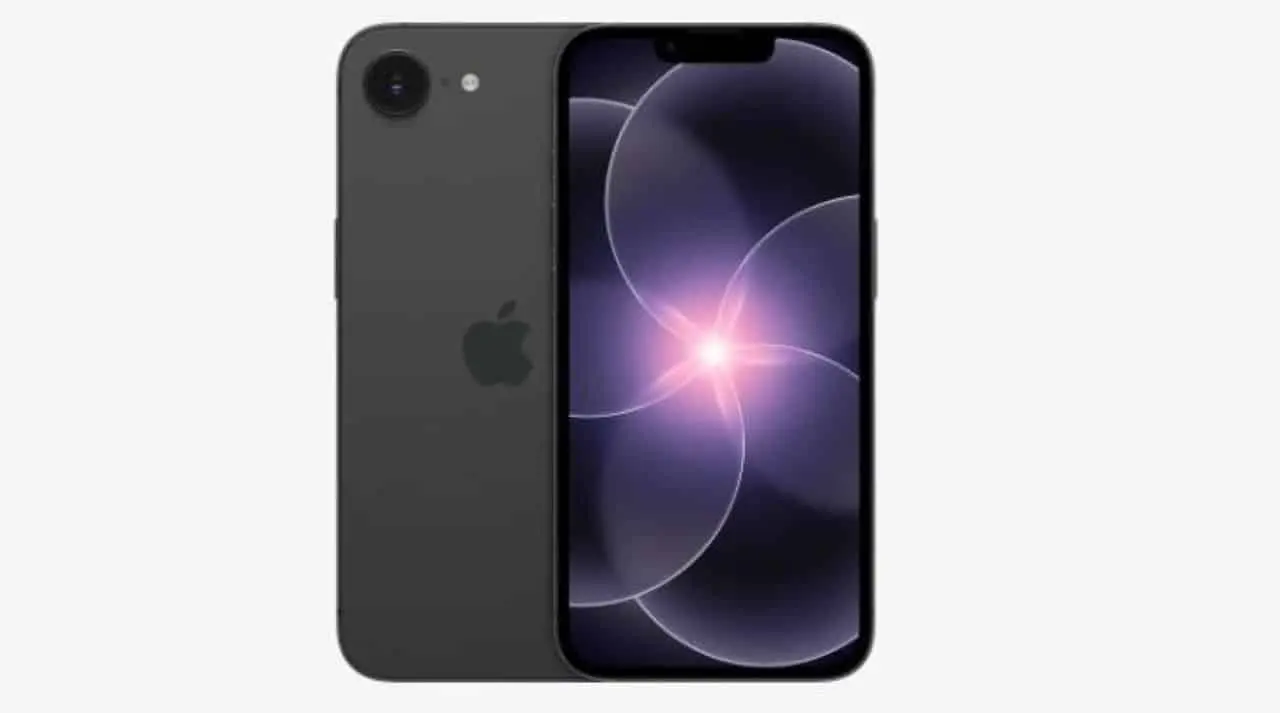
Technology giant Apple advances in the production of its next generation of high-performance smartphones. Informações recent behind-the-scenes looks at the mobile device industry reveal significant technical details about the brand’s premium models, which are expected to hit the global market in September.
The devices under development represent a leap in data processing and image capture capabilities. The company’s engineering focuses on deep internal updates, maintaining the visual identity already known by consumers, but substantially changing the hardware architecture.
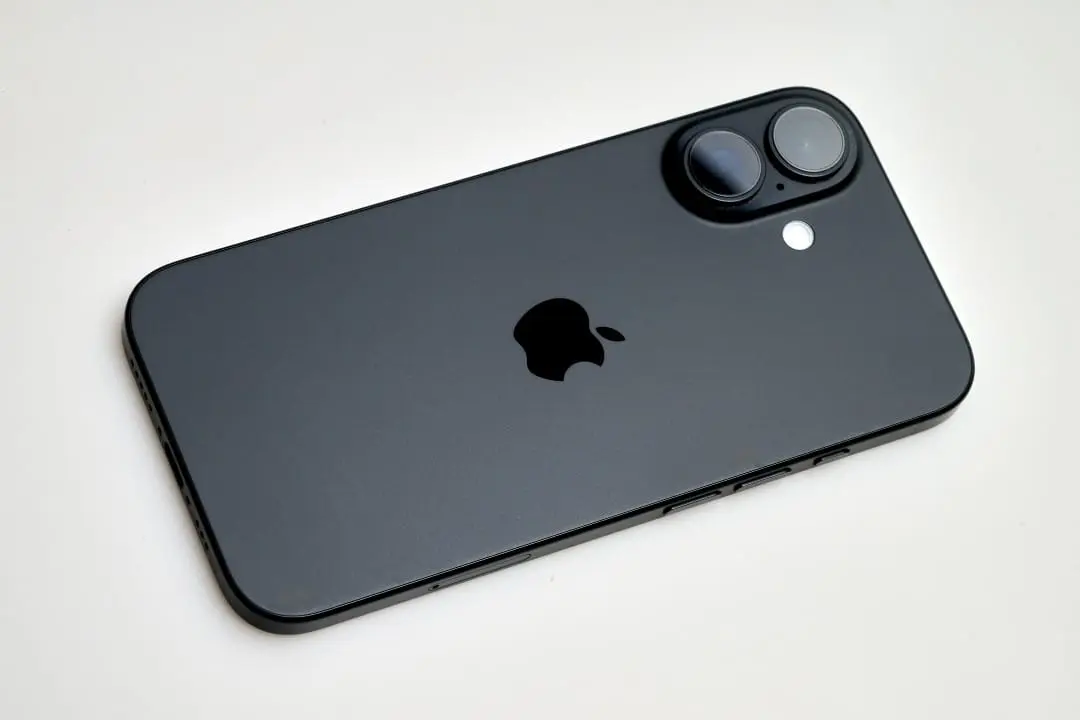
The mobile technology sector is closely following the manufacturer’s movements, as it seeks to consolidate its position in the luxury segment. The leaked specifications point to innovations that involve everything from chip lithography to the independence of components supplied by third-party companies.
New architecture boosts main processor performance
The great technical difference of the new device lies in the implementation of the A20 Pro chip, manufactured by TSMC with a 2 nanometer lithography. Esta Extreme miniaturization technology allows a much larger number of transistors to be allocated in the same physical space of the component. Como A direct result of this increased density, the smartphone should present a gain in processing speed of around 15%, easily surpassing previous generations and establishing a new standard of fluidity for the operating system.
In addition to the gross increase in speed, the new 2 nanometer architecture guarantees approximately 30% greater energy efficiency. Isso means that the device can perform complex tasks while consuming significantly less battery power. The updated processor is also designed to run advanced generative artificial intelligence models locally. Dessa way, the user will be able to use machine learning tools directly on the phone, without depending on a constant connection to cloud servers for processing heavy data.
On the same topic: Leaked details reveal technical gulf between the iPhone 18 Pro and Apple’s unprecedented foldable model
Main hardware updates expected for the line
The set of innovations leaked by sources linked to the Asian supply chain reveals a complete package of improvements. The changes directly affect the way the user interacts with the system and consumes media on a daily basis.
Among the most relevant technical modifications highlighted by industrial reports and engineering tests, the following structural points stand out:
– Implementação processor with 2 nanometer architecture for greater speed.
Learn more: Apple prioritizes 2nm A20 processor in iPhone 18 and maintains previous line design for 2026
– Introdução of proprietary modems for efficient management of mobile networks.
– Sistema main photographic equipped with physical light input control.
– Minimização of the front cutouts with biometric sensors under the display.
– Renovação from the color catalog with options in warm and intense tones.
Photographic system incorporates lens with physical light adjustment
The image capture suite receives one of the most robust updates in the history of the manufacturer’s smartphone line. The main sensor, with a resolution of 48 megapixels, will now have a variable aperture lens.
This mechanical technology is widely used in professional photographic equipment and DSLR cameras. The mechanism allows the system to physically adjust the amount of light that reaches the sensor, instantly adapting to very dark or excessively lit environments.
See Also


More on this story: Apple faces a 50% increase in the production cost of the iPhone 18 Pro camera with variable sensor
Changing the lens aperture also gives you real control over depth of field when clicking. Users will be able to achieve natural, optical background blur, reducing reliance on software algorithms to simulate the portrait effect.
The device’s telephoto lens also undergoes structural revisions to ensure distortion-free optical zoom. Testes Endurance internals are in progress to ensure that the camera system’s moving parts can withstand heavy daily use without experiencing mechanical failure over time.
Network independence with new communication component
The verticalization strategy of production gains strength with the introduction of the C2 modem, a component developed entirely by the manufacturer itself to replace the parts previously supplied by Qualcomm. Este new communication chip promises to revolutionize the stability of mobile data connections, optimizing the transition between different operator antennas and drastically reducing energy consumption during the use of 5G. Adicionalmente, the proprietary modem expands the smartphone’s satellite communication capabilities. Enquanto previous versions limited this technology to sending short emergency messages, the new hardware has the potential to support more robust data exchange, allowing users to maintain basic contact even in remote regions completely devoid of traditional cellular coverage, changing the dynamics of security and connectivity in travel and expeditions.
Reduction of screen cutouts and hidden sensors
The visual interface of the front panel will undergo an aesthetic refinement with the reduction of the area occupied by the Dynamic Island. Engineers are working to allocate part of the biometric facial recognition sensors directly under the glass of the OLED screen.
With this hardware relocation, the visible cutout will only house the front camera lens. The modification expands the useful viewing area for the user and represents a fundamental step towards the goal of creating a completely continuous display without visual interruptions.
Updated sales schedule and color palette
The distribution of new devices on the global market must follow a fragmented calendar, changing the tradition of simultaneous launches. Apenas high-performance versions will be presented at the September main event.
Conventional entry-level and intermediate models will be reserved for the first quarter of the following year. The commercial tactic seeks to concentrate sales volume on devices with higher added value during the retail boom in the last quarter.
Learn more: Apple accelerates production of the iPhone 17e and develops new Air model with dual camera system
The external titanium finish will be maintained, but the color palette will undergo drastic changes. The manufacturer plans to introduce vibrant tones, such as deep red and intense orange, replacing the traditional darker options to visually differentiate the new generation.
Dimensional adjustments to accommodate greater energy capacity
The integration of new technologies will require small modifications to the physical structure of the smartphone. The thickness of the chassis should increase slightly, reaching 8.8 millimeters, to allow the installation of a battery greater than 5,000 mAh.
The increase in battery volume is a necessary measure to balance energy consumption. The component will need to support the intense brightness of the Super Retina XDR screen and the new satellite communication functions without compromising the user’s daily autonomy.
Front panel storage and protection options
Internal memory configurations will continue to start at 256 GB, with options reaching up to 1 TB to suit content creators. The durability of the front glass will be reinforced by a new formulation of the protective coating, increasing resistance against accidental impacts and scratches, although the manufacturer will maintain absolute secrecy on the final details until the official announcement.